Pep Talks and Sunny Days
Myself is the easiest person to let down. She’ll forgive me. She’ll understand.
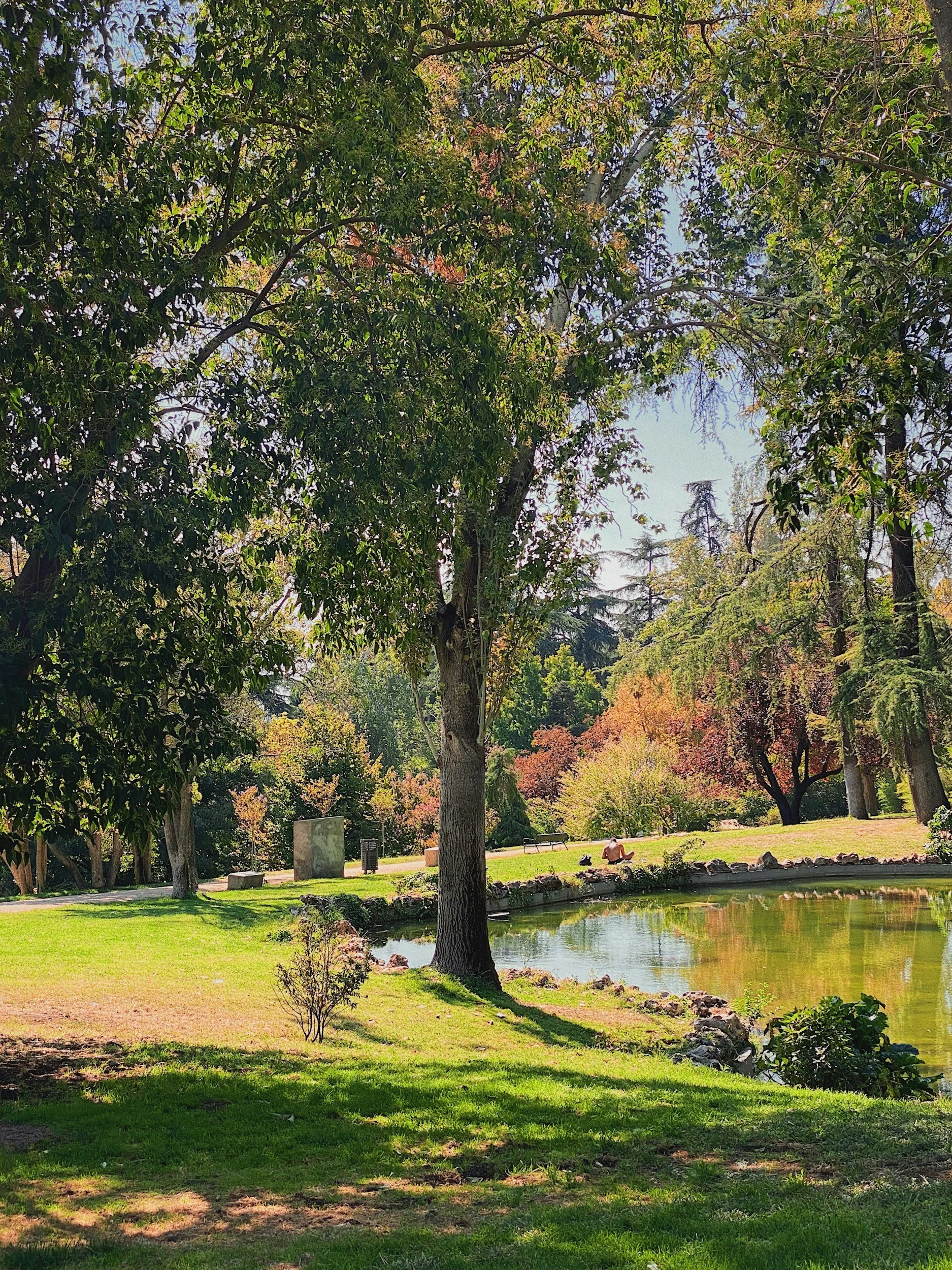
It’s 8:45 in the morning here and I’m on my second cup of coffee and my third round of trying to get writing. Summer has finally arrived here and every part of me wants to go outside. Of course, summer mornings in Seattle mean that it’s only 55 degrees so I’ll need a jacket and long pants, but the sun is out and that’s all that matters.
But it’s also a Tuesday and so I really need to do some work. My kids only have another week of school and then the schedules get crazy. Forrest and I have become really good at juggling the work from home/parenting divide, but the twins are just competent enough to get into some real scrapes if there are no adult eyes around. I’d like to say that they’re maturing, but there’s something about the middle school years that just makes smart decision making go out the window.
They know it, too. One of them was talking last night about needing to finish a science project and I suggested that they use the extra time in their school day to put in a few minutes here and there. Race through lunch and get to the library, skip talking to friends in the morning and go to homeroom early, that sort of thing. Her response summed it up.
“You know I don’t have the impulse control to do that!”
And she doesn’t. If there’s a gaggle of friends, that’s going to win out over some google slides every time. Luckily for her, this afternoon will be long and boring and just right for finishing a project. It’s easier, somehow, for me to help her get her work done than it is for me to help me get my work done.
Because on a sunny day, I barely have the impulse control to do this. That’s the hard part about being a writer. There’s no boss, no end of the year metrics, no goals and no bonuses. I’m doing this for myself and that means that if I don’t do it, the only person I let down is myself.
Myself is the easiest person to let down. She’ll forgive me. She’ll understand. She’ll see the whole context and change the goalposts and remind me of all the times I haven’t let myself down and now, shouldn’t I give up just a little, as a treat?
As I get older, I wonder more and more why I work so hard not to disappoint even a perfect stranger, but I am perfectly happy to disappoint myself. It’s not like I don’t know how to set aside my short-term wants for a long-term goal. Or how to endure discomfort for something more important. How many times have I had a sleepless night caring for someone else, but rarely a restful day caring for myself? How often have I said to my work, “I’ll get to you later,” while helping a friend or community member during a rough or stressful time? There’s obviously nothing wrong with dropping everything to help other people. But I think somewhere along the way, I forgot I was people too. And the same part of me that can pep talk my kids can pep talk me, too.
I don’t mean that in a self-indulgent, girlboss kind of way, either. I think there’s this strain of hustle culture, self care mindset that says, “Don’t put yourself last!” but really means, “Ignore everyone else!” We all know someone like that. Someone who is so into meeting their own goals that they don’t care how it gets done. Sometimes they don’t even care if they actually accomplish anything, as long as it appears that they have. As long as the Instagram looks amazing, they must be successful, right? Right?!?
It’s not that kind of shallow pep talk - I’m talking about the one you would give to a child. The one where you remind them that when you work hard at something, the work itself can become the reward. The one where you tell them that learning new things always feels disorienting at first, where you always feel inept and uncomfortable until you figure things out, but that the steadiness you gain doesn’t leave you, even if twenty years later, you can’t remember the formula for the area of a trapezoid. That steadiness that you’ll use, time and again, to keep trying new things, keep learning, keep going after whatever’s next.
Until you’re a grown-up, who maybe doesn’t want to sit down and work on another blank manuscript page because you feel inept and uncomfortable and wouldn’t it be easier to go outside and sit in the sun for a while? But someone once upon a time taught you that the feeling of the sun will be so much nicer if you know that you didn’t disappoint yourself, that you did the best you could, and that the rest is so much nicer with the feeling of satisfaction of a job well done…or well, at least done, anyway.

Reading and Rules
Which rules do I want to stick to, and which ones are sort of maybe kind of holding me back?
The other day my phone pinged me with one of those “This Day 10 Years Ago” things. Of course. I clicked because ten years ago I had the most adorable kids and also absolutely no sleep, so every video that comes up is pretty much new to me. I once read that short term memory turns to long term memory during deep sleep and since I didn’t get a whole lot of that when my kids were four and two, it checks out that I don’t remember a whole lot.
This one in particular was of my eldest daughter reading to me. She was an early reader since she has always loved books but the arrival of her sisters meant that us grownups were often too busy to read out loud during those chaotic, messy days. So she just convinced us to teach her how and she hasn’t gone a day without a book pretty much since.
As soon as I finished the video, I thought about how that little early reader book was probably one of the first ones she read on her own, and how many, many more books she has read since then, and how many, many more she’ll read. It’s funny, this parenting thing. If it all goes well, you (and your help) is the most important thing in the world just up until they learn how to do the thing, and then, poof! You’re redundant, maybe even a hindrance.
When the twins learned to ride bikes, there were, well, two of them, so it was a two parent job. Again, they needed help just up until the moment they figured it out, and from then on, Forrest and I were, at best, in the way. At worst, I was an obstacle, me and my rules about not riding full speed towards a major road.
I’ve been doing a lot of thinking about the scaffolding that we put up for ourselves. Rules we make when we’re young, to help us organize the overwhelming transition to becoming adults. Things like: “The Dishes Get Done Right After Dinner”. Or “We Spend Christmas Eve At Nana’s House.” Or “Bills Get Paid The Day They Arrive.”
These are important. There are so many choices that we could make and so many choices we could make wrong. And then as we get older, we add more and more. No Coffee After Four. Thursday Nights Are Leftover Nights. Take A Walk After Breakfast Every Day. The Milk Goes On The Top Shelf Of The Fridge.
And none of those are bad rules. To be honest, I like the way things are managed around here. But there’s nothing like a teenager to remind you that the rule you think of a supportive is also a type of restriction. It’s natural, of course. They’ve got to figure out where their rules are. Which ones they want to keep and which ones they want to change. But even in the most peaceful household that process is messy.
One of my rules is "Everyone Settled Down By Eleven P.M.” I didn’t even know I had that one, but once the fourteen year old started staying up until midnight, it was made very clear to me. I should have remembered, as a former teenager myself, that there’s something a bit magical about midnight in a quiet house, when you can eat what you like, watch what you like and just stretch out and enjoy having the place to yourself. She’s certainly realized it. And it wasn’t until the other day when I finally said, “Shouldn’t you be getting to bed?” that I realized that just like reading and bike riding, I was there the first time she fell asleep (and for a lot of nights after) but that she doesn’t need my input on her sleep schedule anymore.
And she’s right. There’s no problem, no bleary eyes, no dropping grades, just a teenager doing what teenagers do. And isn’t that the point? To do the best we can and then let them live their lives? Wasn’t this was I wanted, back when bedtime routines were an hour long and full of tears and tantrums? If I were to go back tell myself that not only did I not need to enforce bedtime, but that any participation I had would be considered rude, I think younger Serenity would pop some champagne and go take a nap.
So, I suppose instead of the storm and stress, maybe I should take a page out of their book. Which rules do I want to stick to, and which ones are sort of maybe kind of holding me back? If I have to deal with the snarkiness of the teenage household, I guess I might as well use it to my advantage, after all. And if I don’t figure it out all at once, not to worry, the twins are only twelve and they will definitely let me know which rules are less than necessary.
Wattle Fences
I’m the one who wanted the fence, but in the end it was them that built it, who caught on to the excitement and who rightfully feel the satisfaction of a job well done.
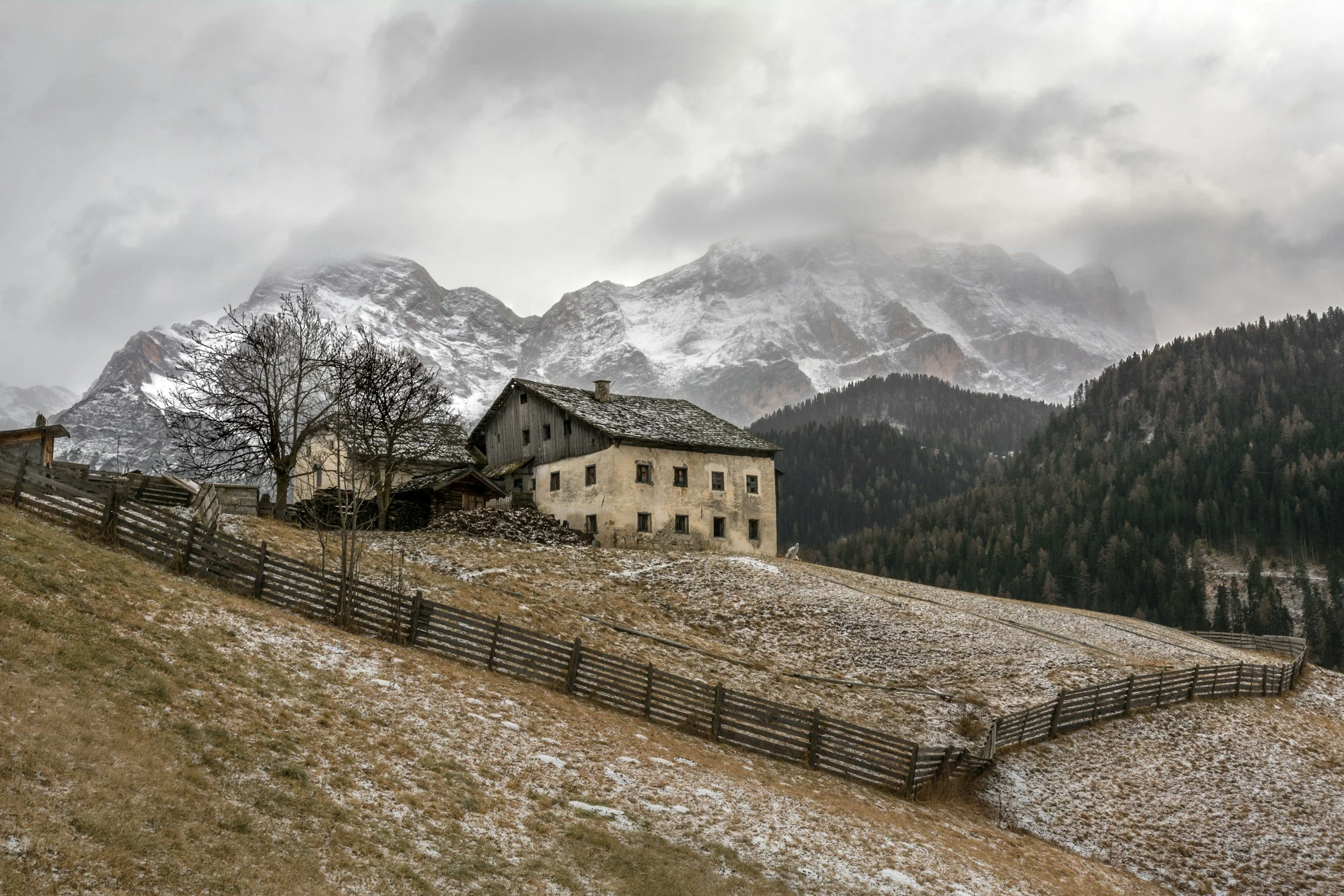
I don’t know when I first learned about wattle fences, but I do know that I’ve wanted one from the very moment I heard of them. For those of you not in the know about various types of garden borders, 1) congratulations on having much cooler interests than me and 2) a wattle fences are made by weaving flexible branches around posts made from sturdier branches. Basically, you take branches that are wrist-width (ish) and put them upright in the ground, and then you take thin, whip like branches and weave them in and out. As you weave them, the whole thing becomes quite strong and sort of holds itself together. Traditionally this is done with willow branches, which is where my desire to have a wattle fence stopped. We don’t have a willow in our yard and the idea of sourcing one just so I could make a wattle fence seemed a little absurd.
Enter Forrest. His spring project this year was to clear out an area that had once been covered in a beautiful forsythia but had long been choked out by blackberries and ivy. We’d left it all up for a long time, probably longer than we should have, because it provided a really nice barrier between us and the road that goes along our house. But, enough was enough and if we were to have any hope of saving the forsythia, he needed to clear it out and salvage what he could.
And clear it out he did. After having a lot of fun with a chainsaw, we were left with a lot of dead blackberry canes and a fair amount of sickly looking forsythia. A friend of ours who just happens to be a master gardener advised us to do a lot of trimming, only leaving the strongest parts, in the hopes that without so much foliage to support. the forsythia can bounce back.
The upshot of all this is that Forrest found himself with a lot of vine-like branches. And I think you can imagine that I’ve mentioned the wattle fence to him more than a few times, so, while I took a bunch of tween girls for boba tea this Saturday, he took the initiative and surprised me. I returned home to half a fence and a very excited Forrest.
Not just him, either. Two of my girls got into the fun and it was eleven o’clock at night when I finally called them in to stop wattling and go to bed already. I guess there’s something rather meditative about the weaving process and they can’t seem to resist how magical and charming it makes the kid garden look.
It’s funny, isn’t it — I’m the one who wanted the fence, but in the end it was them that built it, who caught on to the excitement and who rightfully feel the satisfaction of a job well done. There’s a lot of things like that for me right now. I’ve been dealing with some moderately annoying health issues - nothing terminal, but just enough that I don’t exactly have “build a fence” energy right now. And as anyone who has had chronic health stuff knows, you try not to ask too much of the people around you because you never know when you might have a day where you need to ask a lot of them.
So I would never think of asking Forrest to do something like that, let alone my kids. But when I say that, when I say, “You didn’t have to do that for me,” they just laugh and smile and remind me that they didn’t. They did it because it’s cool and fun and yeah, maybe a little because if makes mom happy and who doesn’t want a few brownie points with mom? But it’s that in a life that can seem a little too online, there’s something wholesome about building something from nothing.
I get tired a lot these days. It’ll pass, I know, but I spend more time than I would like staring out the window, watching the bees flit from flower to flower and the most amazing part about it is that although I planted those flowers, I didn’t do it for them. I did it for me. But in the end, they’re the ones that love it most. I’m not really sure what that means, except maybe that we don’t get to decide what other people do for us. And sometimes the things we do for ourselves actually end up giving back more than we could have ever anticipated.
Painting and Procrastination
Maybe those standards are less about doing lots of things, and more about doing the right things well.
For as long as I can remember, I have wanted a house with a window seat. The idea of sitting there, curled up with a book and a cup of tea, sounds like perfection. Unfortunately, I’ve never lived in a house that had room for a window seat. There are no bay windows in my single-story mid-century modern house and to be honest, no nooks or crannies at all.
But I’m a grown up now and it turns out that means if I really want it so bad, I can build a window seat in my house, architecture be damned. And by build it myself I mean that I can ask Forrest very nicely to build a window seat for me and then, after many months of hemming and hawing, he will do it for me.
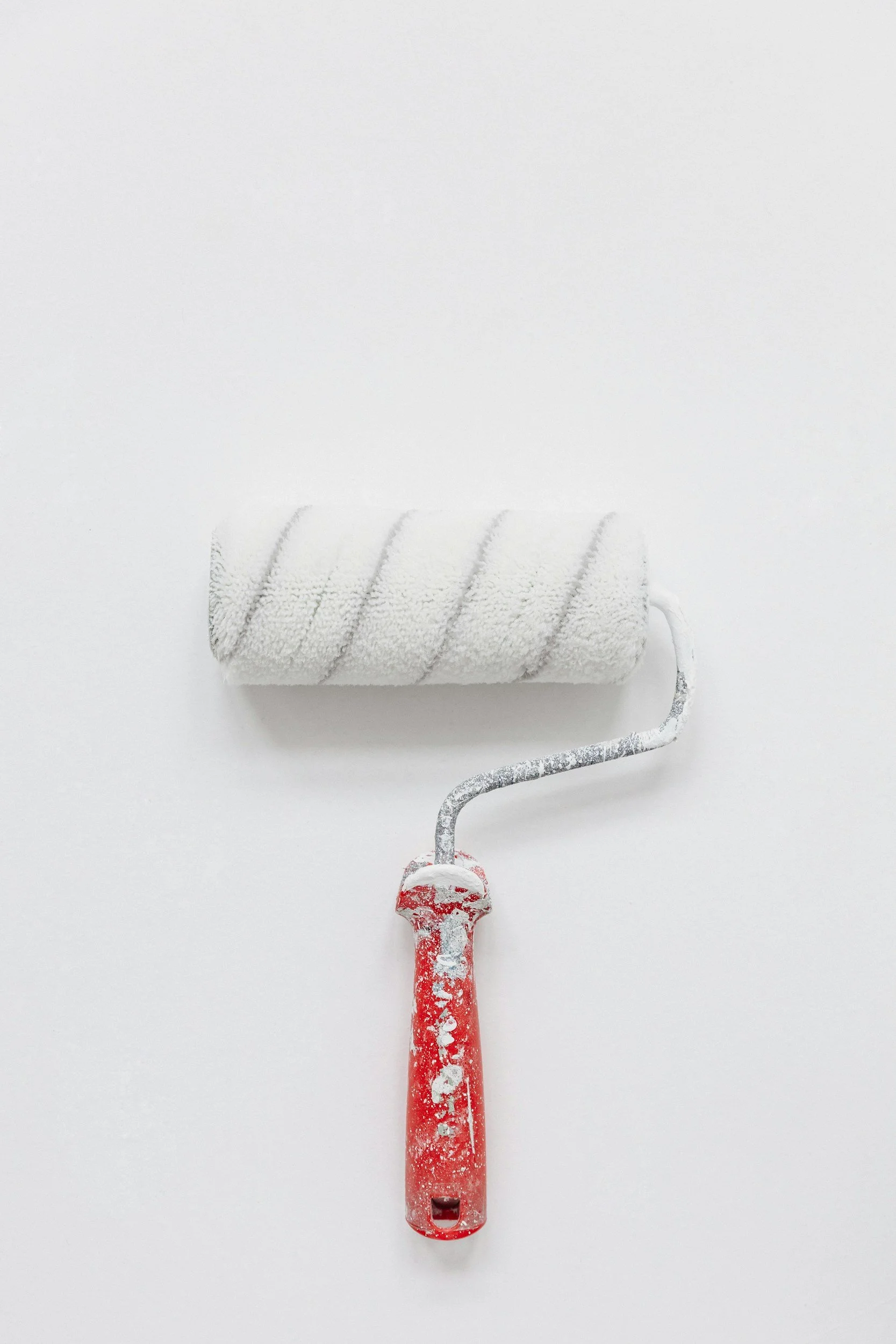
Now, it’s fully built and ready for the last step: I need to paint it. We’re making it white to match the trim and I do a lot of painting around here, so I’ve got plenty of primer and trim paint left over, not to mention my trusty mini roller and angled brush. All I need to do now to fulfill a decades long dream is actually paint it.
It’s been two weeks and I haven’t even touched a paintbrush. Until yesterday, I told myself that I was working on manuscript revisions, significant ones, and so I really couldn’t take a day off. But I finished those and sent them on. Then I immediately, stood up, stretched and went and stared at the project I’ve been putting off.
For those of you who have known me for a long time, this might be surprising. I am the opposite of a procrastinator. The idea of having something hang over my head is so unbearable that I cannot handle it, not even for an hour. If something comes across my desk, I just get up and do the project. Not because it’s the right time, or because I like the satisfaction of finishing something I started, but because I can’t rest until it’s done.
But as I age, I’ve realized that that impulsivity doesn’t lead to a job well done. It just leads to a job done. Sometimes procrastination makes sense. Not in a putting it off forever kind of way, but as a signal that there’s something missing. Maybe we need more information on how to complete a task. Maybe we don’t feel competent enough and need more instruction. Maybe we don’t have the supplies we need and aren’t really being honest that getting the supplies is a task in and of itself. Maybe we don’t really think that the task needs doing or we resent that we’re the one who needs to do it or we think it’s a waste of time.
Emotions, even emotions like disinterest or lack of motivation, are good signals that there’s something else going on. Sometimes I know what that something else is, but often, I have to dig deeper. I could berate myself into ignoring that, just do the job, but like I said, there are a lot of good reasons we might be pausing on a project.
Lately, I’ve been thinking a lot about productivity. When I was younger, I felt like I wasn’t particularly good at much, but I could outwork any failings I might have had. There was no problem or project I couldn’t take care of, as long as I had enough caffeine. And then I had kids, when productivity is basically forced on you. With three kids under four, there wasn’t a whole lot of time for rest.
But that’s over now. I mean, I still have kids, but they’re big and they do half the chores around here and they’re gone at school or sports or friends’ houses and for the first time in a long time, I could choose not to be productive. Or not as productive anyway. Dinner’s still got to be made.
And unlike my younger self, caffeine just isn’t doing it anymore. And I don’t want to talk to myself the way I used to - I think about the words I used to say to get myself moving: “Don’t be lazy.” “God, I’m such a slacker.” “Not going to get anywhere sitting on the couch.”
I would never say those words to my kids. And I would never allow anyone else to. That might make you think that I'm indulgent, but they would disagree. I have high standards for them, but we don’t talk like that around here. I have high standards for me, too. But maybe those standards are less about doing lots of things, and more about doing the right things well. Productivity doesn’t really factor into that equation, does it?
And that right there is the deeper reason why I’m not painting that window seat right now. It’s my first time painting unfinished wood and I want to do it right. Which means I need to sand and prime and sand and paint and maybe sand and paint again. And that will take a long time, and be disruptive to the whole house and I know that it will be an utter pain in the neck. But this project means something to me. I want to do it well.
So, I suppose I’m going to trust that if I pick a day and clear my schedule and cross my fingers it’s nice enough to paint and trust that the motivation will follow. And maybe then I can make my dreams come true, even little ones like window seats.
Intensive Gardening
Growth doesn’t always mean getting bigger and taking up more space.
It finally got nice here and so Forrest and I spent most of the weekend outside. Well, he spent most of the weekend outside. I spent most of the weekend down a rabbit hole, learning about historical styles of intensive gardening. If that sounds really nerdy, that’s because it is. I will get to the point, but first, buckle up because you’re going to learn about them too.
Our garden is basically just our front yard, which over the years has grown to include 15 raised beds. (For the record, Forrest says it’s 19 but he’s being ridiculous. My tulip planters do not count as raised beds.) Since the beginning we’ve done a variation of French intensive gardening, which means we grow our plants in raised beds that we keep extremely nutrient rich, and when possible, we plant compatible vegetables side by side to maximize production. (Think planting lettuce, which matures early, next to brussels sprouts, which take a while, so you can get the lettuce grown and harvested while the sprouts are still…well, sprouting.)
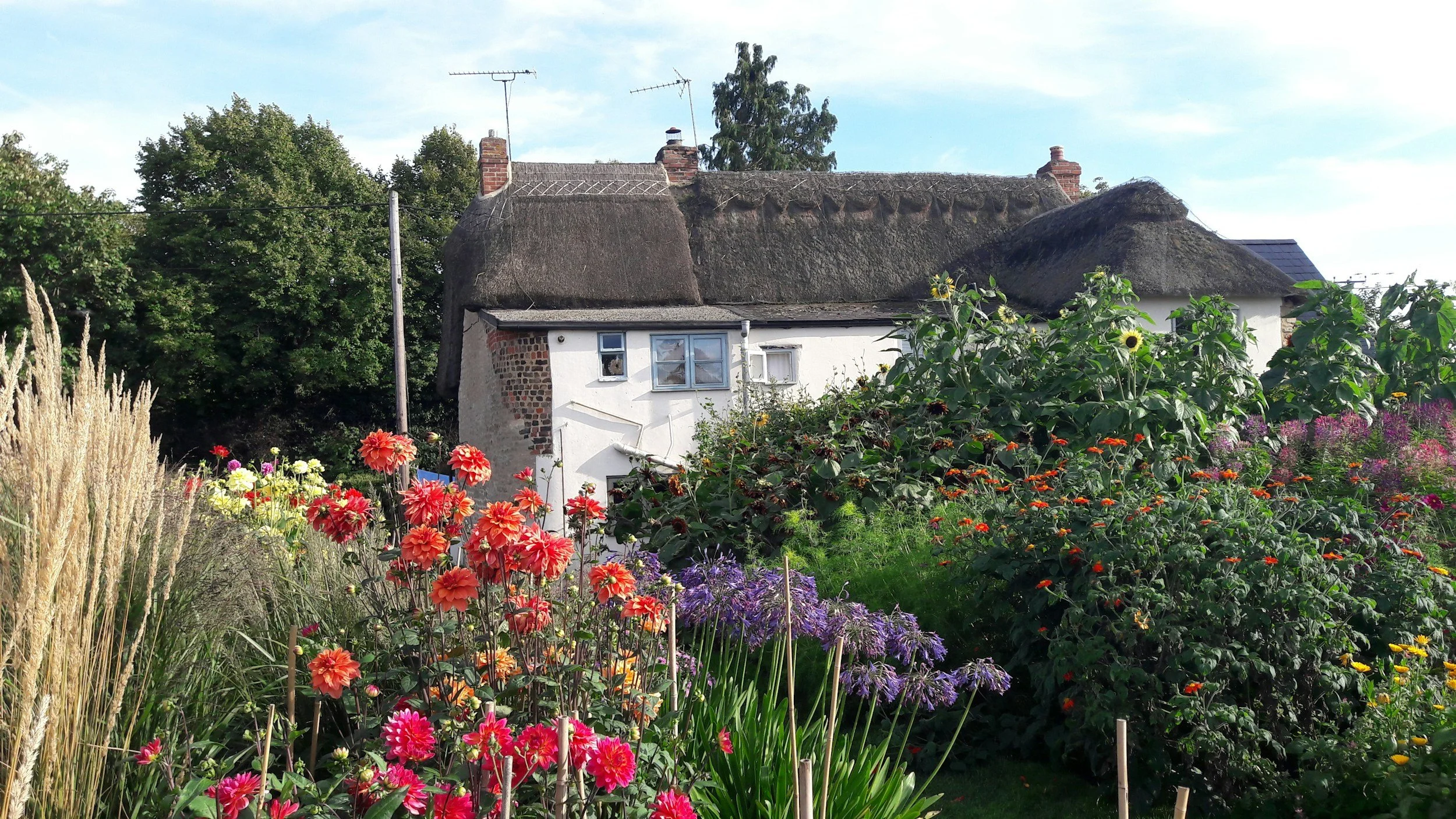
French intensive gardening is old news around here; it’s just what we do. But a few weeks ago, Forrest tilled our flower beds and I realized that the three of them created a terrace of sorts, with three different levels. Figuring out what to plant there is what dug my rabbit hole. Because English intensive gardening very much uses vertical space to allow access to plants that are grown right next to each other. It’s not usually called English intensive gardening, though. It’s more often known by its more fanciful name: the English cottage garden. These days, the cottage garden mostly holds flowers, but its origins in medieval times included medicinal herbs, seasonings, and practical flowers that would attract bees, who then provided honey for the household.
I decided to repurpose our flower beds into a cottage garden, one that will attract bees, but also grow sage, thyme, chives, rosemary, mint, and lavender for our house. Forrest and I spend a fun few hours with me telling him where to dig holes and him trying to save every last chive plant. It’ll take two years to come to fruition, but I’m excited to use the space better than we have been.
Because that’s what intensive gardening is all about. Using space better. And while America does have its own version of intensive gardening (called square foot gardening and pioneered by Rodale, Inc. from my hometown of Emmaus, PA), the historical antecedents of limited space and needed productivity date back centuries. As I was regaling Forrest with all of my new found facts, he looked at me and said, “What about this makes it so interesting to you?" I chose not to listen to the implication that he didn’t share my fascination and instead, I considered his question.
The answer is…I grew up in a world where everyone acted like there were no constraints anymore. The Cold War was over, the glass ceiling was broken, and the recessions of the 80s were over. Everything from cars to houses to fast food portions were big and getting bigger. There was no reason to stop growing…ever. And now, I am raising my children in a very different world.
I agree that there are no reasons to stop growing. But growth doesn’t always mean getting bigger and taking up more space. Sometimes, it means putting in the work to make the space you have more functional. Growth for my garden has meant changing what I plant and where I plant it. For Forrest, it’s meant turning a hill that used to be a mere annoyance into a terrace for more cucumbers. For my kids, it’s meant learning to live around the bugs and bees that also find our garden delightful.
I don’t look to the wisdom of the past all that often. Technology has taken us much too far for me to believe that we should give up on modern science. But there’s something about working within constraints that encourages creativity, beauty, and appreciation. We have a small house and a small yard and that means that every square foot counts. It also means that the compost from our home is enough to fertilize all 15 of those beds, if we use our space wisely.
Our world is both very large and very small. And if we can find the possibility in both, then we are equipped to meet whatever life throws as us. Especially a sunny weekend where we fall down a rabbit hole.
P.S. - For all my talk about French, English, and American intensive gardening, German intensive gardening caught my attention the most. Called hugelkultur, or mound culture, it involves basically piling up different types of biodegradable materials that break down over years, and then covering it all in dirt, and then planting on top of that. The mounds are often straight but can be spiral or horseshoe shaped and all I can say is…I am extremely curious.
Disruptions and Difficulties
I don’t think those parents are lying on purpose. But they’re not remembering the whole story.
I’m feeling a bit rushed today. It’s spring break and we’re not going anywhere, which means that everyone is home and a little bit in each other’s spaces. With three kids, even as independent as mine are, there aren’t that many uninterrupted blocks of time. And over the years, I’ve found that it takes twenty minutes of winding down time before I can even think about getting some writing done. So it’s hard, when kids are bursting in and out, to collect my thoughts.
Friends are constantly telling me about the writing habits of successful authors they’ve read about. Did you know such and such does this? And did you know so and so does that? All I can think of is a quote about parenting that I read a long time ago. I must have read it somewhere, because I hand wrote it on an index card and put it on my pantry door. It goes like this:
“It’s the golden rule of parenting. Lie. Lie to the mothers on the street, to the people who ask how you did it. When they ask about sleep, or feeding, or toilet training, lie. Tell them you never had the least trouble.”
I’m not sure what the context was, but I found it so useful over the years, when some older, more advanced mother would tell me something like, “Oh, I just mashed up bananas and fed them those!” or, “When it’s time for potty training, it’s time! Your kids will let you know.”
I don’t think those parents are lying on purpose. But they’re not remembering the whole story.
Because as I age, I could say those same things about my kids. My eldest did love mashed bananas. But she also didn’t quite get the hang of the chewing thing, leading to a lot of coughing and back-slapping, and eventually, to my current twitchiness which led me to purchase an anti-choking device that my children affectionately call “The Throat Vacuum.”
And yes, the twins did let me know that it was time for potty training. During Christmas week, they refused to wear diapers at only 2 1/2 years old. We were in the middle of holiday craziness, so I spent a hectic week squatting over other peoples’ toilets, hands under their armpits, keeping tiny bottoms from falling into the water. If they’d only waited a week, I could have ordered one of those portable kids’ toilet seats, but noooooo, when it was time, it was time!
These days, those hardships have (almost) faded from my mind. I am sure that in another decade, I’ll spout the same platitudes. It’s the same way with writing. As soon as a manuscript is done, I start to forget the hours spent on researching dead ends or the endless rewrites that make me doubt my sanity. And I know that, in the same way every parent has had very different, yet very similar struggles to mine, every author has their own difficulties. Whether or not they talk about them publicly.
One of my favorite authors, Madeline L’Engle, writes these delightful memoirs about how difficult it was to write and do all of the other things she was expected to do - as a mother, as a community member, as a wife. There were too many demands on her time and she’s very clear and unapologetic about the difficulties. She struggled, like many of us do, to access her creativity while meeting the needs of the people she loved. She couldn’t jump into and out of writing as though it were a pair of rain boots.
I appreciate her. I appreciate her honesty and I appreciate that even though her struggles happened half a century ago, they’re not so different than the ones we face today. Mostly I appreciate that not everyone tells you “they never had the least trouble.”
Pranks and Paying Attention
I know where the relentlessness comes from - it’s insecurity, plain and simple.
This is definitively not an April Fools’ Day post. I am, when it comes to April 1st, completely humorless. I tell my kids and Forrest that I will not engage in any pranks and they had better be careful if they pull one on me, for one simple reason. I don’t do things by half measures. And when it comes to pranks, you kinda sorta gotta do it by half measures. If you go all in, it’s just mean.
I’m not a half measure kind of mom. I’m intense. And when it comes to pranks on my kids, I very quickly learned that I should only ever be the victim and never the perpetrator. Because when a kid goes too far, that’s a lesson learned. When your mom goes too far, that’s a one-way ticket to the therapist.
I wish I could be a half measure person. I’m really not - both in the good ways and the bad ways. If I go out for a run, I have to hold myself back from sprinting. If I decide to eat ice cream, I eat until I feel sick. If I finish a blog post, I start the next one immediately. If I decide to rest on the couch, I become a total slug. You can never have too much of a good thing, right? Right?
I’m actually getting better at the balance as I age. At realizing when enough is enough, when the extra effort isn’t productive anymore, when the writing gets worse as my brain gets tired. I know where the relentlessness comes from - it’s insecurity, plain and simple. Have I done enough? Am I checking all of the boxes? Am I lazy? So many of the things I put my energy towards have to physical product. No “thing” I can point to when I’m done, to feel proud of. That’s probably why I don’t really struggle with doing too much when I garden. It’s easy to see what I’ve done and it’s easy to feel good about it when I stop.
Because that’s the heart of it, right? Whether or not I feel good about my work when I stop. Whether I feel productive “enough”, whatever that means. Whether I’m using my time appropriately or if there’s something better, more meaningful that I could be doing. Whether I’m properly using my “one wild and precious life” as poet Mary Oliver put it.
Except, that productivity not what the poem is about at all. I see that quote on posters, on websites, on instagram stories from influencers advocating for hustle culture and when I go back to the text of the poem? It’s about laying in the grass, feeling the wonder of the universe and doing nothing more consequential than watching a grasshopper, how to be “idle and blessed.” I can’t claim to speak for her, but it seems like Mary is choosing the nothing part of my all or nothing approach to productivity and, just like me, she’s pondering her choice.
The funny part to me is that Mary Oliver won a freaking Pulitzer Prize. She was prolific and successful. But her insights, her unique experience of the world and the ability to put it into words - those things required everything but productivity. There is no hustle in her words, just a sense of wandering and wondering. And because of - not in spite of, but because of that paying attention, she was able to write poems that help us all to look at the world around us.
And maybe go all in on slowing down.
Sun Break
Every February, Forrest and I look at the kids and lament the screen time, the bickering, and the boredom.
The weekend was supposed to be ridiculously rainy, which it was…until it wasn’t. Yesterday afternoon, the skies cleared and the temperature rose into the 60s and without batting an eye, Forrest said, “I’ll be in the garden,” and walked out the door. Within an hour, I was out there planting onions and my kids were variously picking bouquets, walking the dog around the neighborhood and sitting on top of the car writing in her journal. We each had our own agendas, but all of us knew that if the sun came out, there was no better place to be.
Every February, Forrest and I look at the kids and lament the screen time, the bickering, and the boredom. Why happened to our active kids? Why don’t they go outside anymore? And then, within the month, all three happily drop their tablets and flee, just like their dad, to the garden. I have to remind myself that a lot of the behavior we decry in kids, especially around screen time, is a normal reaction to environments that aren’t welcoming to them.
I have to admit that if most of you came to my house, you’d probably expect a beautifully pruned Eden. Instead, for most of the year, it’s more like a muddy work in progress. And for the other three months, it’s an overgrown jungle. It’s not idyllic…but what it is, is welcoming. My kids were so terrible about planting random plants in our garden that we tore up half the backyard so they could meddle there. And they do. It’s not uncommon for me to reach for a seed packet only to find it empty because some child got there first.
On the one hand, that’s infuriating in the moment. On the other, that is exactly what I want them to be doing. To get an idea, find what they need and figure it out how to make it happen. And if it leads to some small disasters along the way (see: the mint that is taking over my lawn) that is the price that I will pay for kids who don’t whine about just one more episode of TV.
Because boy, oh boy, can my kids whine. In our house, the rule is no screen time in the mornings. That sounds really enlightened, probably, but it’s because I like to take naps on Sundays and if the kids have used up their screen time then they are annoying when I am trying to sleep. And through the winter months, you would think that making them wait until lunch for the TV is akin to sitting through a five hour lecture.
That whining alone makes me think I’m a terrible parent. Forget that I grew up in the 90s, on a steady diet of The Price is Right and Saved by the Bell. Forget that the sun goes down at 4:30 in January. Forget that my kids are in the tricky age where they don’t want toys but they aren’t fully independent yet. I assume if my kids want screens that badly, it must be because I have failed to teach them to entertain themselves.
And then, spring comes and I can’t keep them inside. By the time summer rolls around, I’m in full on crisis-management mode, making sure there are enough clean clothes and dry towels, the kitchen counters aren’t covered in small bowls of blackberries harvested from the roadside, and, in one instance, no one is trying to fill a kiddie pool with the kitchen sink sprayer.
So what’s changed? Not my parenting. Not my kids. What’s changed is that being outside is now fun. It’s not a chore. It’s not cold, or wet, or in the case of Seattle, hot or humid, either. It’s simply…perfect. And my kids, like all people, choose to go places that are pleasant. But not just pleasant. Places where they can exist without feeling like they’re a bother.
I’m probably up on my soapbox now but there aren’t many of those places left for teens and tweens. They get looks in parks because they’re too big. They get looks in stores because they’re too little. Even in their own yard, there are neighbors who glare at the homemade bird feeders and gardening experiments, and I know they wish it all looked nicer.
You know what? I wish it looked nicer too. And someday it will, but right now, if I want my kids off those screens for an afternoon, I have to tolerate the mess. I have to say yes to everything and choose enthusiasm over criticism. Because these kids, especially teens, they’re just waiting to be told they aren’t wanted. They’re used to it. Even at school they get the message that they are only wanted if they fit within the mold. It is middle school, after all.
So yesterday, the sun broke through the clouds and we broke the mold, each in our own way. And the garden, like it always does, faithfully welcomed us all.

Plans and Problems
I stuck to the plan. I got the right number of words written. But the manuscript was far from done.
For those of you who have been reading for a while, did you know that I used to plan and prewrite and schedule all of my posts? When I first started this back in 2019, I had a grand sweeping arc with themes and timelines. And I pretty much kept to it over the next few years. But between one thing and another, that plan slowly broke down.
At first, I felt really ashamed of it. What kind of person was I, that I couldn’t even keep up with a blog? It doesn’t take that much time, just a little diligence and forethought. And then, I realized that all of that shame was getting in the way of my fiction writing. Over 2022, I started three books and finished none. It took an entire year of trying to get my head on straight to finally finish my latest manuscript.
It wasn’t writers block. I was still producing a thousand words a day. It was planners’ block. I just couldn’t seem to create a plan I could stick to. Every time I did, something would come up and the plan would go awry and that was that. A week lost, feeling bad that life had gotten in the way.
And it was life getting in the way. A kid would get sick, the house would need unexpected work, a volunteer gig would take up more time than expected. And little by little, the gap between my plan and my reality got larger and larger. And my shame grew and grew.
I used to worry that I was a lazy person. I worried about it all the time because I spend a lot of time resting. It took until I was in my thirties to realize that I spend a lot of time resting because when I’m not, I’m overproducing. I have two speeds. Do everything as fast as humanly possible or become one with the couch.
I wish I were different. I have tried to be different. But I’m not able to. I am either fully on or fully off. And learning that about myself means that if my plans don’t incorporate both being fully engaged in life’s interruptions and being fully disengaged for necessary rest, then they’re not of any use to me. This fall, I tried to ignore all that one last time and really hustle to get my manuscript done.
I stuck to the plan. I got the right number of words written. But the manuscript was far from done. I needed to rework huge sections of it, sections that had clearly been written by a person under pressure, just trying to stick to the plan. I was more concerned with my daily word goal than the quality of the book. It probably took an additional two months to write because of my so-called plan.
Since then, I’ve been trying to take it slower. To have a guide, an outline even, but no set deadlines and no expectations. This stage of my life is all about balance. It seems like every area of my life is turned up to eleven - work, family, house stuff, friendships - both in the best of ways and the worst of ways. So, if all my plans go belly up, there’s nothing wrong with me. It wasn’t because I didn’t work hard enough or create the right schedule. It was because, for the first time in a long time, maybe I’ve got my priorities straight - deal with what’s in front of me, and trust that everything that needs to get done will get done. Including those pesky manuscripts.
What a novel idea.
Birthdays and Blooms
Her birthday signals the coming of spring to me. More than that, really. The turning of the year, from dark gloom into bright possibility.
My eldest’s birthday is coming up and Forrest was lamenting that the usual spring heat wave in Seattle hadn’t happened yet. Because of the enormity of becoming parents, we always remember the small details from the weeks around her birth. I remember lying in bed, seeing the plum trees blossoming. Forrest, giving directions to our pediatrician by telling her to “turn right at the giant forsythia.” And our first walk as a little family, down the block to see the magnolia flowers that had just opened up.
The weather is due to change this weekend, and with it, all of those trees will wake up, albeit a few weeks later than we remember. It’s funny, how some weeks stick with you and others fly by. How some years stick with you and others fly by. I know that there’s a ton of science behind that, about novelty and emotional salience and core memories, but that doesn’t hit me the same as remembering leaving the birth center with my baby in the pouring rain with Forrest saying, “It’s great day for ducks,” while trying to get the carseat into the back of our tiny Geo.
Since then, every time I’m out in the pouring rain, I think of that saying and I think of that moment. These small things, they mark time and mark our lives and shape us by connecting seemingly disparate events - a rainy day and becoming a mother — in such a way that some part of us is forever changed.
It’s kind of scary. We have no control over those associations and while they might seem small, I’ve realized that the little things can really add up over time. Like all small but consistent pressures, they can accumulate. Just this morning, I was telling that eldest daughter that, because of that fateful spring when she was born, her birthday signals the coming of spring to me. More than that, really. The turning of the year, from dark gloom into bright possibility. Every year her birthday comes, gardening starts, the clocks change, and our very housebound winter life begins to open up.
It’s such a strong association for me that it’s become a bit of a metaphor. Because having her, becoming a parent, felt much the same. The pregnancy was hard, and so was the first year of her life, but it was the turning of our family’s story too. From rootless young adults to a trio, then quintet, determined to create a safe and warm home that we can always return to. I’m not sure we’re there yet. In fact, I’m almost certain we aren’t. But no matter how it ends, the story turned on that moment.
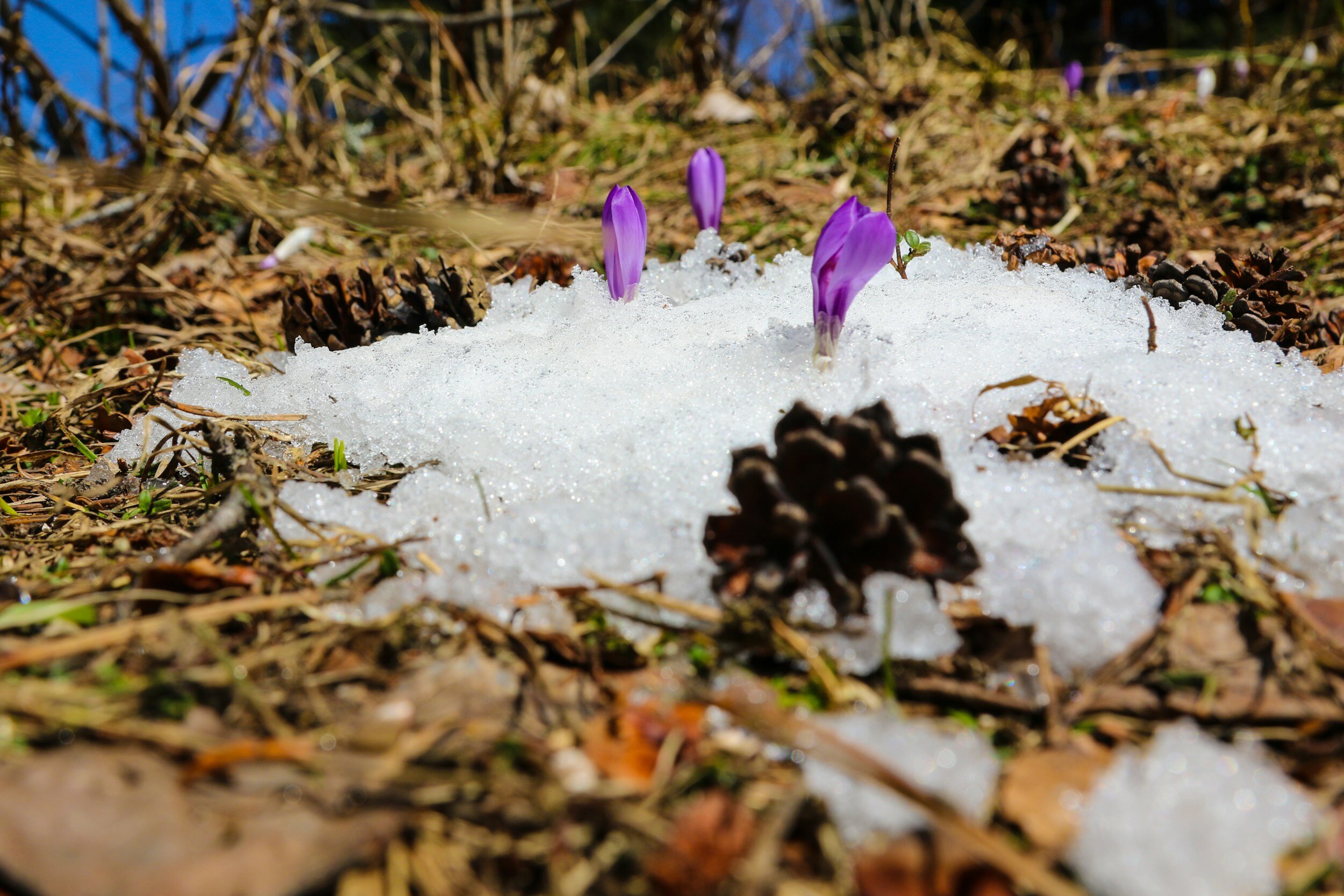
And it started with taking her home in the pouring rain. With “a great day for ducks.” And to stretch the metaphor - my connections are a constant reminder that the moment the year turns from dark to light is rarely the moment the sun starts to shine. The turning happens before the sun comes out. When all the buds are preparing to open and the ground is thawing out and the daffodils peek out of the muddy soil. So even in the years where spring is taking a little longer to start, I’m reminded that it’s almost here and I can wait just that much longer.
Space and Spring
Their convenience was not more important than my needs.
It hailed again yesterday. I know in my heart that that’s the sign of a Seattle spring, but there’s something about watching ice fall down from the sky that makes me think winter will never end. It has been a slog this year, people, let me tell you.
And not just the weather. I submitted my latest manuscript to my editor two weeks ago and that was a slog too. I told her it would be done by the new year, then by January 15th, then February 1. Then I finally gave up the ghost and told her I would get it to her when I got it to her, and I was so sorry for being a flake. She, delightful woman that she is, said, “I think it’s a good sign when artists don’t always make deadlines. It helps me know they’re not robots.”
This manuscript was certainly not robotic. It was annoying. I could complain on and on but the worst part of it is, instead of feeling celebratory when I sent it off, all I felt was a combination of relief and disappointment. I just didn’t want to have to work on it anymore.
It’s been two weeks since then, a mandatory break enforced by school schedules and family visits, and I still mostly feel relief and disappointment. But the more space I have from the project, the more I think that when it comes back to me again (after the first round of editing), the more I can look at it with fresh eyes.
That feeling, that needing of space, is one I am getting accustomed to requiring. I’m a fairly impulsive person, not in the “buy a motorcycle” kind of way but in the “sure, I can take on one more thing” kind of way. That worked for me for a long time, but in the last year, I’ve had health issue after health issue and while none of them are serious, all of them require me to take more space. No longer can I put off a meal, or stay up an extra hour, or deliberately dehydrate myself on a plane so I don’t have to ask people to get up so I can use the bathroom.
Yes, that one’s embarrassingly true.
I was flying home this weekend, in a window seat, and usually, when that happens, I choose to drink as little as I have to so that I don’t need to use the bathroom. Yes, I get off the plane with a raging headache, even a migraine. Yes, I usually spend the next day feeling like crap. And yes, I feel bad when despite that effort, I need to get up at least once on a six hour flight.
But this time, I didn’t. I simply asked people to move, to give me the space I needed to go to the bathroom. And it’s possible they felt inconvenienced. But their convenience was not more important than my needs.
It makes me think. How many small things do I do to keep from being an inconvenience? How often do I deny myself very basic things just so I don’t have to ask for something? I’m not talking about manners, or common courtesy, or being respectful. In fact, I think pushing myself to the limit of what I need makes me less courteous. When my needs are met, when I don’t feel overwhelmed, I can be kind, I can be flexible, I can be thoughtful. But all of those things require space. Space to think, space to feel, space to accept that I am not completely self-sufficient.
In the two weeks since I sent my manuscript in, I have not had a ton of rest time. That’s not in the cards when my kids are on break. But I have had space from my work. Space to think through what was hard and plan differently for next time. Space to build my willpower back up for the inevitably difficult editing process. Space to remember that just because a project is frustrating doesn’t mean it’s bad.
And space to remind myself that just like this winter, every difficult project ends. And like a hailstorm, the signs of life might be a little different than I expect.
Worries and Walks
It’s weird, simultaneously entering middle age and parenting adolescents. I’m working hard to try to view both as a time of re-creation - of learning new ways and adjusting to new realities.
Yesterday was a self-doubt kind of day around here. Not just for me, either. Since one of the parenting tasks these days is to be a sounding board for every feeling that passes through the three middle-schoolers’ brains, I got to hear about the big projects and friend drama and general feelings of inadequacy. At the same time, my own brain was looking at a task list a mile long and wondering how I’m ever going to get it all done.
It’s weird, simultaneously entering middle age and parenting adolescents. I’m working hard to try to view both as a time of re-creation - of learning new ways and adjusting to new realities. But there’s still the old “storm and stress” thing going on, and some days are worse than others. I can feel it, like a miasma of sullenness that settles over the house, which gradually coalesces with snarky comments and eye rolls, into a final tornado of door slams and screams of “I hate you!”
It’s exhausting when it happens, but the most annoying part is that if we take the right steps at the first signs of sullenness, before the eye rolls, before the screams, then it all comes to nothing. Figuring out what those right steps are is the hard part. These days, it looks like lots of one-on-one time with a parent and a kid, wading through all the crap that middle school throws at them.
Things like:
Why does the school treat all the kids like they’re delinquents when most kids are just trying to get by and the kids that misbehave need a lot more help than they’re getting?
What do you do when you want to share your thoughts with some new friends but you’re not sure how they’ll react?
How do you square the reality of doing just fine in school with the ever-present fear that maybe you’re just not up to it?
The worst part of all of it is that my answer is usually something like, “Hell if I know.” I’m still working out the answers to those things myself. I’ll admit this - there was a time in my 20s when I would have had all the answers to those questions. Of course, those answers would have been wrong and short-sighted, but they made me feel better. And maybe my kids will get to that place in a decade or so. But these days, I’m asking very similar questions:
How do you build a world worth living in when some people will always try to knock it down? When they can’t help but see something and figure out how that goodness is personally offensive to them?
How to you change and grow in relationships when your friends became friends with the old you and you’re not sure if they’ll like the new you?
How do you square the reality of doing just fine in life with the ever-present fear that maybe you’re one stupid misstep away from screwing it all up?
So when my self-doubt and their self-doubt start to turn into eyerolls and snippy comments, we go on walks. “Stop being spiky,” someone will say. “We need to get the cobwebs out of our brains,” another person declares. And all of a sudden, I find myself traveling the same sidewalks again and again, with a rotating cast of tweens. At the end, none of us have answers to our questions, but we feel a little better for it, I guess. The to-do list is still just as long, and their homework is no closer to being done, either. But maybe it reminds us that we’re not alone in our self-doubt, in our questioning, in our frustrations.
That seems to make all the difference.

Cold Hands and Rainy Nights
I loved walking home in the rain, hearing the cars on the wet roads, and coming out of that mist to a warm house waiting for me.
I’m writing this from the lobby of my daughter’s climbing class. They’ve got a new location and it’s really nice - tables, chairs, great lighting, electrical outlets for those of us parents who are trying to get a little bit done. But there’s just one problem. It’s freezing.
It’s a climbing gym, so it’s basically a big warehouse, and this time of year, it’s only about 35 degrees outside in the mornings, so, it’s pretty frigid. I can see the insulated walls, but they can only do so much with a giant open room. I understand, too, that I’m not the target audience. My daughter is in shorts and a t-shirt because, between warm ups and strength training and the actual climbing, it feels just right in here.
So, every week, I put on my leggings under my jeans and pull out my parka and my hand warmers and thank my lucky stars that she chose climbing and not soccer because at least I’m not being rained on. But I can’t help thinking a little bit longingly of the old climbing location because although I had to sit on a hard wooden bench, with spotty wi-fi and no back support, they had heat lamps.
Beautiful, radiant heat lamps.
When I moved to the Pacific Northwest 17 years ago, I remember thinking how much less effort was put into personal comfort here, compared to the other places I’d lived. People thought nothing of living without air conditioning, of going out in all weather, of walking around in the rain without a thought for an umbrella. Think of your most outdoorsy friend. The one who would happily sleep on the ground, backpack all day, and then drink coffee made over a fire, full of ashes and unfiltered grounds.
About half of the population here is like that. And in a climbing gym like this, they’re all like that.
It wasn’t much of an adjustment when I was 22. It was a fun adventure and although there was no way I was going to go backpacking, I was happy to do the hiking in the rain thing. But these days, things are a little bit creakier than they used to be, and I really, really miss those heat lamps.
There was an interview last week for Humans of New York, with a woman whose life seemed to look a lot like mine. And in it, she said something like, when you get older, the changes don’t come with any fanfare. They come unexpectedly, and before you notice it, your old self is gone and you never got a chance to say goodbye.
My old self - the one who moved here - she’s pretty firmly gone. She’s been replaced by someone who loves to sit by the fire, reading a book, snuggling a cat. But I had a dream last night, of walking through Seattle on a rainy night. I used to take the bus to work, you see, and this time of year, it would already be dark when I headed home, and the rain would make the lights reflect of the streets and the mist would give everything a romantic, old movie kind of feel. I loved walking home in the rain, hearing the cars on the wet roads, and coming out of that mist to a warm house waiting for me.
And I think that maybe that part of me is still hanging around, I haven’t had to say goodbye to her yet. Because those rainy days are here again, and I still love every inch of it. So maybe, I can try to say goodbye to that 22 year old self, while also remembering that that some part of me isn’t going anywhere for a long, long time.
Whew!
There are a lot of cobwebs in their lives - corners that have been left untouched for a long time, but new challenges shine some light on the messy parts of life that they maybe wanted to pretend didn’t exist.
Wow, it has been a minute. I took the summer off from blogging, and then I was so into this new book I’m working on that the break ended up bleeding into the fall too. But I feel like I’m firmly into revisions now, so I can pop my head back up to say hi! I missed you all and I missed this.
Unfortunately, I don’t feel like I have a lot of interesting content to blog about right now. Life outside of me is full, full, full. I am firmly in the chauffeur stage of parenting, and that combined with being homework monitor, chef for never-ending appetites, and part-time amateur therapist for middle school drama means that every day sort of passes by in a blur.
My own work, however, is in a very autumn sort of stage. I sit down every day, do my writing until my brain goes to mush, and then I spend the rest of my time being a sort of zombie while some small part of my mind nibbles at whatever narrative problem I’ve got going on.
This book, you guys. I’ve had to restart it twice, changed the narrator three times - back and forth and back again - and I feel like I’ve had to chisel it out of granite rather than letting it grow from soft soil. Some of that’s my fault. I decided at some point that I was going to set a hard and fast word goal and unfortunately didn’t include the truly essential quiet thinking time that is needed to turn words into stories.
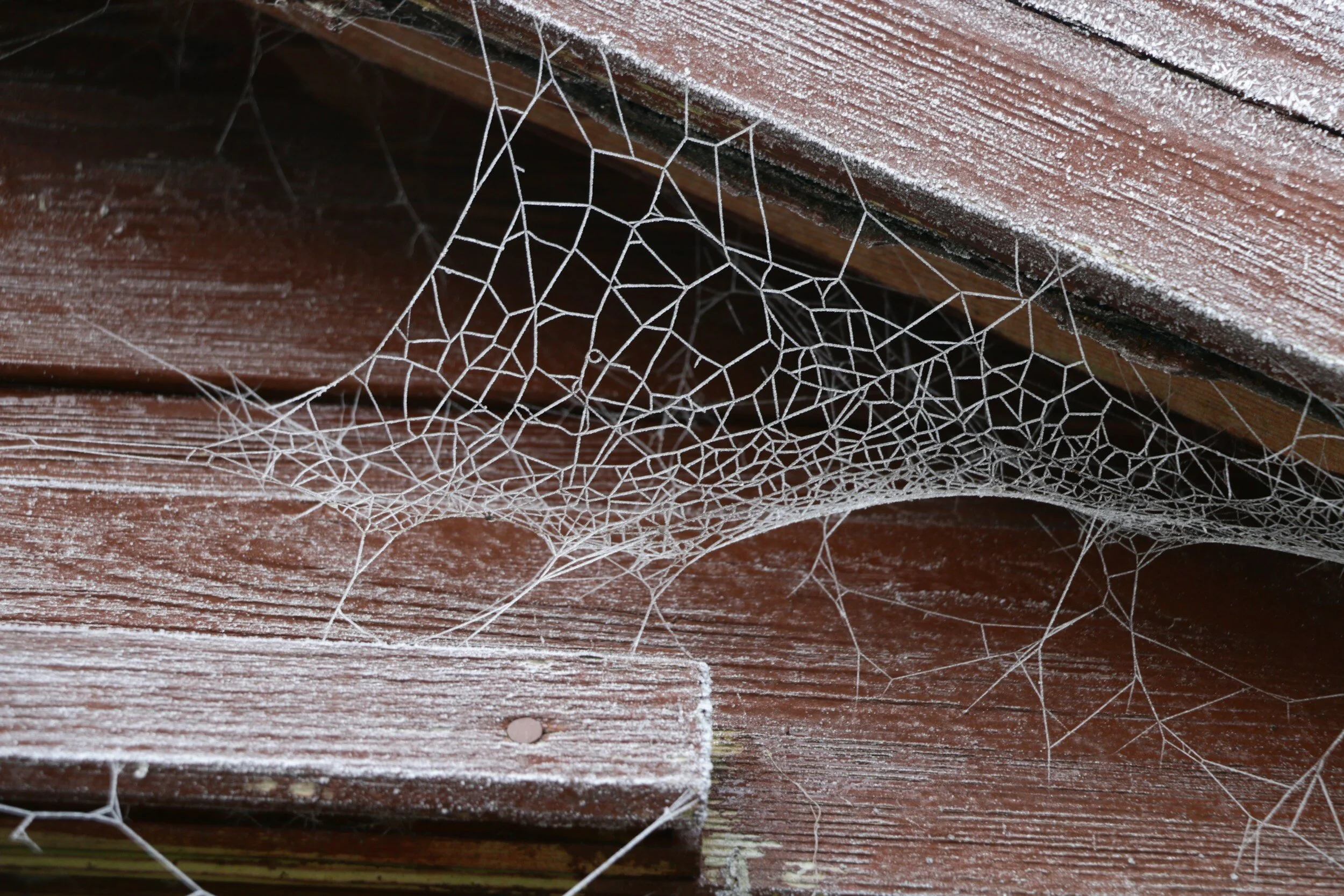
Some of the difficulty is the story itself. I’m calling it my midlife crisis book, and it’s about a bunch of women - ordinary, normal women, who get called into some supernatural spy action twenty years after graduating from college together. There are a lot of cobwebs in their lives - corners that have been left untouched for a long time, but new challenges shine some light on the messy parts of life that they maybe wanted to pretend didn’t exist.
It’s fun to write, but hard, too. How do you do justice to the truth of so many of our stories - that choices were made, paths were followed, but if something big enough happens, we all have to figure out what parts of ourselves are still helping us, and what parts are holding us back?
Over these months, one of our family’s projects has been to shift our house from the kid years into a more streamlined living space. New paint, new couches, new storage, and a lot of sorting - toys, clothes, and so much kid artwork. It’s been fun to remake everything, and the girls are in on it too, but there’s a lot of decisions - do we still need a dedicated area for scrunchies and headbands, or should we use that space to hold the hair products and flat iron? What parts of our house are still helping us and what parts are holding us back?
I hope that in six months or a year, this process will be done and we’ll reach a new normal. But of course, the girls are talking about how it’s been a few years and they’d really like to have their rooms repainted and maybe we should think about reorganizing the kitchen and, and, and. I guess even if it slows down, there will always be another change just around the corner. Another adjustment, another life stage to get used to.
That’s not such a bad thing, I guess. It’s good to keep those cobwebs at bay, after all.
Book release! (and some thoughts on being a real person)
It’s funny, how I still want the A+, the external validation, the idea that someone who knows more than me decided that this book is worth reading.
Oh my goodness. the Mud Witch of Verdun launches this Saturday! I could not be happier or more nervous or more exhausted. All of the feelings. All of them.
I think that what I’m supposed to do here, a few days before the launch, is talk all about how amazing the book is. But what I really want to do is talk about how wild it is to self-publish a book. So let’s start with the part I’m supposed to do and then we’ll get to the part I want to do.
This book is fun. It’s full of explosions and magic and blood and skulduggery. Betrayal and friendship and a little bit of sarcasm. Addy was a really, really fun character to write. She’s all the things I wish I could be and am happy that I am not. She’s impulsive and brave, great in a crisis and never satisfied. She starts the book on a sinking ship and it only gets more intense from there. She looks out a war that was literally called The Great War and thinks, “Yeah, I should do something about that.”
And the world that she inhabits, away from the war, is an idyllic island off the coast of France. It’s full of gardens and delicious food and lots of strong personalities. There are quiet beaches and crowded community kitchens and everything is made better by magic. If I could live there, I would.
And finally, the book is full of amazing women. They all have talents and flaws and even the not-so-nice ones have their reasons. I loved writing them all so differently and then using what they brought to the table to build a really fun story. You should read it. Either by buying it on Kindle or Paperback or in pieces, here on the website.
Ok, writing that was more enjoyable than I thought, but let’s talk about the wild process of self-publishing. Did you know that you can just sit down at your kitchen table and, like, create something? And that even if no one wants to publish it, that you can just shrug your shoulders and say, ok, I guess I’ll just do it then? And that the only thing standing between a blank page and a book on your shelf is a lot of work and letting go of your ego?
It’s that last piece that’s hard for me. The idea that the publishing of this book is somehow less than real because I did it myself. It’s funny, how I still want the A+, the external validation, the idea that someone who knows more than me decided that this book is worth reading. I have no doubt that I would jump on a publishing contract that if got the chance. Nevermind that it probably wouldn’t make me any money. It’s about feeling like a real author, like a real grown up with a real job who is a real person worthy of respect.
Whew. And then I remind myself that my most deeply held belief is that all humans have dignity; all humans are worthy of respect. It is not tied to what we have done or left undone. It is not tied to what we have or how much we know. It exists because we exist. That’s it.
And it is that deeply held belief that allows me to sit down and write the book and inspect every typo and format it and design the cover and then promote it. Because if I were worried about my dignity, about my worth, I would be far too ashamed to put this little, unwanted book out there. There are people out there, a lot of people out there, who think that if something doesn’t have the stamp of institutional support, then it’s not valid. And you know what?
I bet they have a lot less fun. I bet all that invalidity just eats away at the joy of creation, at the wonder of what our human brains are capable of.
That’s why I write books. Even when it’s not fun, it’s fun, you know what I mean? And when I push the publish button, all I want is for a few people to have fun reading it. I want The Mud Witch of Verdun to bring a smile to someone’s face. Anything else is just gravy.
So, if you have a few bucks, order the book this Saturday. If not, keep watching this space. I’ll be releasing the book, little by little, over the next 6 months. And most of all, do me a favor: take a second to think about what you could do if you stopped worrying about being a real person and started being the amazing human you are.
Exhale and Inhale
These days, I’m trying to learn how to wait and see if the movement happens without all the storm and stress.
I was going to go for a walk, but a cat jumped on my lap and now I am stuck here for the foreseeable future. It’s ok, though. I really should be inside working anyway. It’s just that it’s 60 degrees and sunny and spring is finally here in earnest. It also coincides with a sort of exhale for me in a lot of areas of my life. The book is in the last stages, a significant volunteer role is starting to wind down, and we’re finally getting some movement on some house projects that we’ve been trying to get done for a while.
That last one, the sense of movement, is a huge source of relief. We’ve had a few projects that have needed to get done for a few years, but where we live, it’s so so hard to get a good contractor for a small project. There are a lot of people and a lot of new houses being built and I 100% understand why redo-ing our old powder room might not be that appealing. But it’s been a real pain in the butt.
I hate feeling stuck. I don’t mind not starting something, and I definitely love being done with something, but being in the middle, stalled, drives me up the wall. I end up just banging and banging at it until something gives. The question is, was the forward motion because I was pushing for it, or would things have moved anyway?
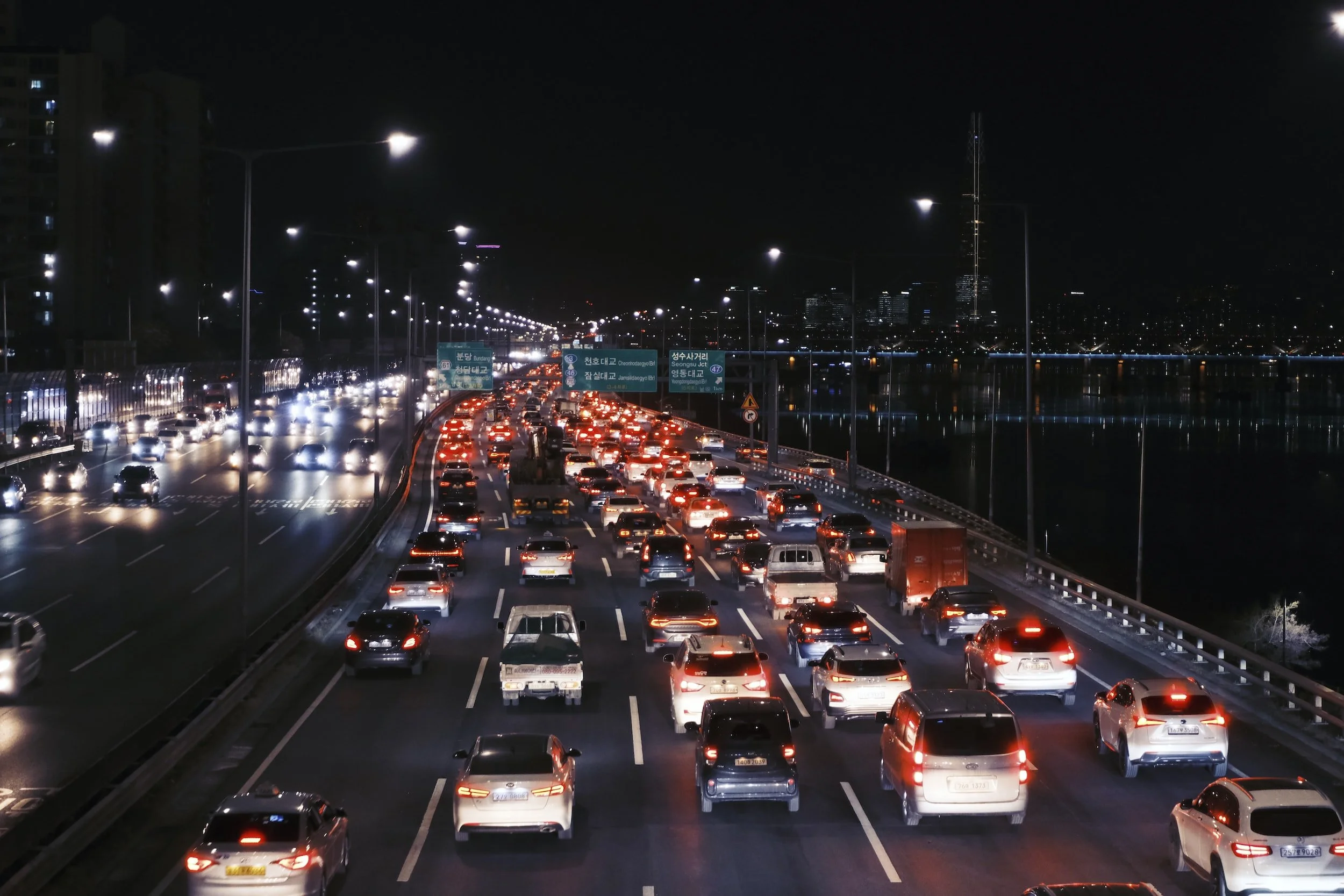
I’m sure you all know the feeling. You know, when you’re stuck in traffic, and you’d rather take a different, longer route, as long as it meant you were still moving? It doesn’t matter to me if I’m the cause of the movement, as long as I get somewhere and feel like I did something.
But these days, I’m trying to learn how to wait and see if the movement happens without all the storm and stress. There are definitely times when my intervention is needed, but let’s be honest - there are a lot of situations that are only made worse by a short angry lady getting involved. As for the contractor issue, the solution was in front of me all the time. Literally - I noticed their office one day when driving down our hill. They’d been there for years and it had never occurred me to look them up. But when I did, the reviews were wonderful, the price was right, and most of all, they got us moving forward.
When my kids went to school, I worried that I would become lazy, stagnant with all my free time. I mentioned that to a friend who laughed. “People like you don’t do that.” I didn’t trust myself enough then to believe her, but she was right.
Because after this exhale, I’ll be ready for the next round of activity. Even as I’m releasing one book, I can feel my frustration starting to build over the next one. The new book coming out basically wrote itself, but my next project is stalled. I’m stuck and I want movement. But maybe after doing a few times, I’m starting to be smart enough to know that it’ll come. I’ll get through the book launch and the volunteer stuff and then I’ll let myself get really, really bored for a week. And the end, all of that energy that I could have spent banging my head against the keyboard will come out in a torrent.
I would like to believe that, but let’s be honest, I’m not that wise yet. For now, I’ll enjoy the feeling of going with the flow, but I make no promises for the future.
Visible Stress and Invisible Complexity
The hardest thing in my life isn’t the ever-present fear or the extra work. It’s the complexity that is invisible.
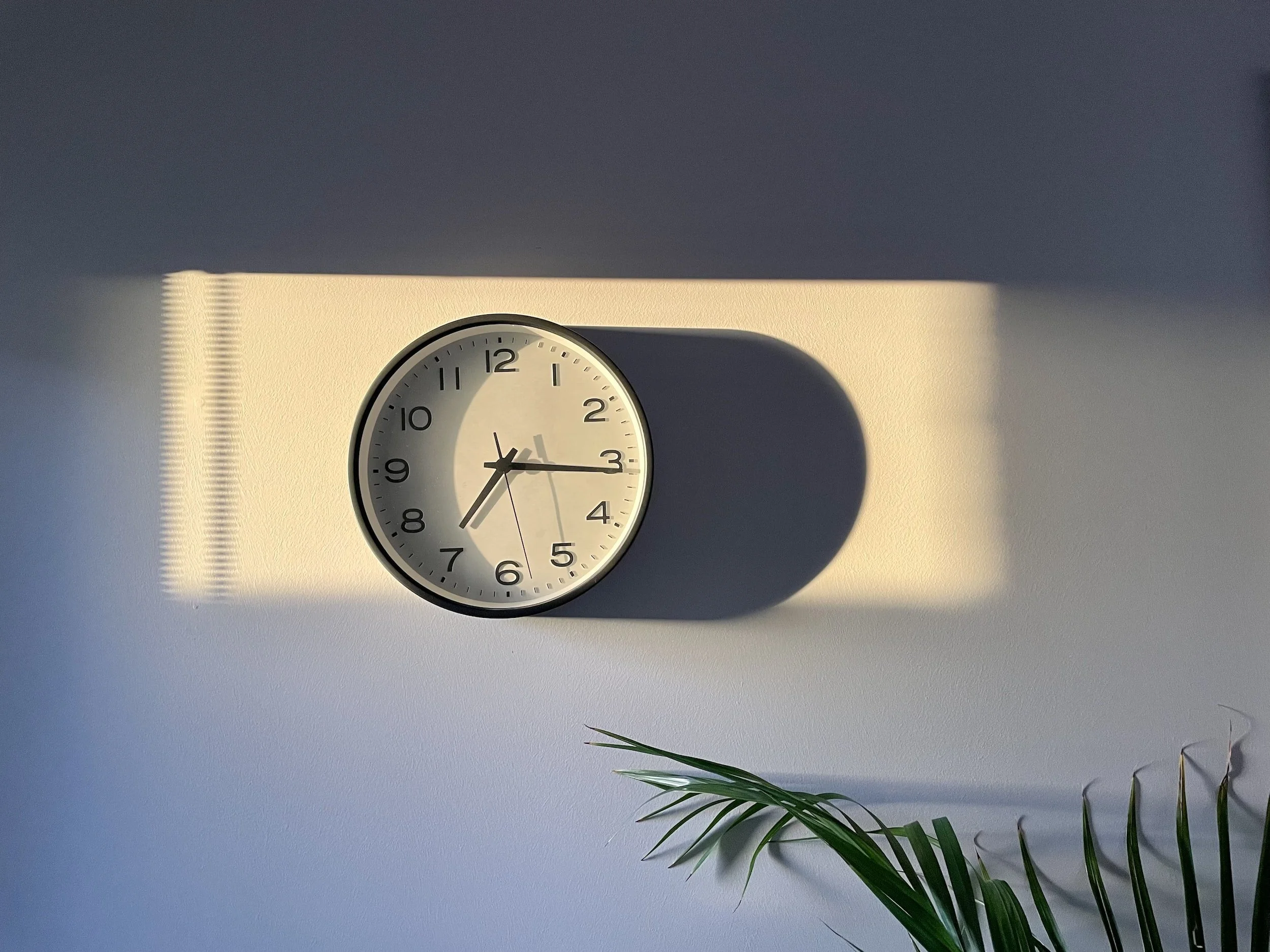
It has been a rushing kind of day. Well, a rushing kind of afternoon anyway. And I’ll be the first to admit it, I don’t do well with rushing. In fact, a lot of the rushing was because my kid literally didn’t believe that we needed to rush because, in her words, “You’re on Serenity Time. We’re going to be 15 minutes early anyway.”
Spoiler alert: We were not 15 minutes early. We were late. And this child, who I don’t think has ever been late to anything in her whole life, got to experience the stress of being pressed for time while entering an unfamiliar environment.
I’m happy about it. It was a good experience for her. My unique makeup means that, as I said, my kids have never been late to anything, ever. That may seem shocking, and I will admit that we have arrived somewhere after the start time, but that was always, always on purpose or pre-planned. They’ve been early, though. We’ve arrived at the airport with hours to spare, to doctor’s offices before they opened, to friends’ houses where we waited in the car until it was time to go in.
So, it makes sense that she would think I was exaggerating when I told her, “No, really, I need to you get ready faster.” But this time, we really were crunched. We would have made it, too, but we had to take a small detour while driving to deal with some diabetes stuff. Just 5 minutes, stopped along a side road for a snack and a dose and a blood sugar check. But that was enough.
That, by the way, is the reason we’re always early. Let’s be honest, I’ve never liked being late. I always feel like I’m being disrespectful and mostly I just don’t see the point. Why add more stress when you don’t have to?
These days, though, it’s about more than showing respect or being relaxed. It’s about building in time for the unexpected. I never know when we’re going to need to take 5 minutes, or even 10, to deal with a minor but urgent health concern. And having diabetes sucks enough. I don’t want to make it the reason for time stress, too.
It’s hard for me. A lot of people assume that my neurosis is because I’m uptight or controlling or bossy. I freely admit to being all of those things, but nope, that’s not the reason. It’s because I know that at any moment, I may need to step aside or pull over and deal with something that seems small but could get really big really fast.
The hardest thing in my life isn’t the ever-present fear or the extra work. It’s the complexity that is invisible. It’s knowing that if I make a mistake, my kid feels like crap or misses out on something. It’s coping with that pressure - pressure to always keep track, be on it, never let my guard down. It’s explaining, even to friends, why our lives move slower. Why we eat dinner at home almost every night. Why rushing from one sport to another, which may seem normal to them, feels like climbing a mountain to me.
I know people do it. Families with kids with Type 1 move through the world in lots of ways. But that’s not us. And I do know that we’ve been gifted a lot through adversity. We eat dinner together every night. That’s precious and sacred and I wouldn’t have had the stubbornness to hold onto it if I didn’t have a very good reason to.
But the biggest gift I’ve been given is the realization that there is a lot of invisible complexity in the world. There are a lot of people who are dealing with stressors that I will never know about. And so if they act a little weird, a little too much, a little intense? I’m getting better at realizing that maybe that’s their way of dealing with things I can barely understand.
Then again, maybe we’d all be a little better off if we realized that other people are usually dealing with things we can barely understand.

World War I and 2021
In the middle of all of that, my thought was, “What could one person possibly do?”
My kids have spent a lot of time over the last few years with me telling them anecdotes or fun facts about World War I, except that the facts aren’t very fun and the anecdotes usually involve poison gas or dead bodies. Luckily for me, they’re pretty tough kids, but still…it doesn’t make for great dinner conversation. They’ve asked me, more than once, “Why World War I?”
I understand their confusion. As an American, our experience of that particular war was short-lived and not terribly influential. It was all but over by the time our troops got there and there wasn’t the patriotic war effort at home in the same way we remember Victory Gardens and Rosie the Riveter.
In fact, during World War I the situation here in the U.S. was far more complicated than most people know. A lot of people didn’t want to go to war, and when the U.S. declared, a lot of them got in big trouble for speaking out. There was significant prejudice against Germans and, then, Russians after the revolution, even though the U.S. was an ally! Also, there was a pandemic and significant terrorist activity from various anarchist and communist groups around the nation. The whole world probably felt like it was breaking apart.
And when I started this book, in March 2021, that was how I felt too. It’s how I still feel a lot of days. Yes, there’s nothing even close to the Western Front’s trench warfare - there never had been before and I hope never will be again - but it does feel like everywhere I look, things are malfunctioning. Everything from our roads to our international relationships seem too fragile, overworn. Like ice that is melting and just waiting to crack and drown us all.
And in the middle of all of that, my thought was, “What could one person possibly do?” Part of me was asking for myself, but part of me just wanted to explore the idea. Even if - even if - that person had supernatural, otherworldly powers. Even if they could get to the worst places and help the most - what could one person ever do against such systematic destruction. The inertia, the mindlessness of the bureaucratic decisions - how could anyone stand a chance against that?
And so, Addy was born. She was the avatar for all the hope and fierceness I held in the midst of a world that felt full of fear and despair. I like to think that she became more than that, but throwing a strong-minded woman in to the middle of hell on earth seemed like a good place to start asking the question, “What should we do when the world seems determined to break into a thousand pieces?”
Rosemary
There was probably something I could do to prevent the bush from dying, but it honestly never occurred to me that the rosemary wouldn’t be ok.
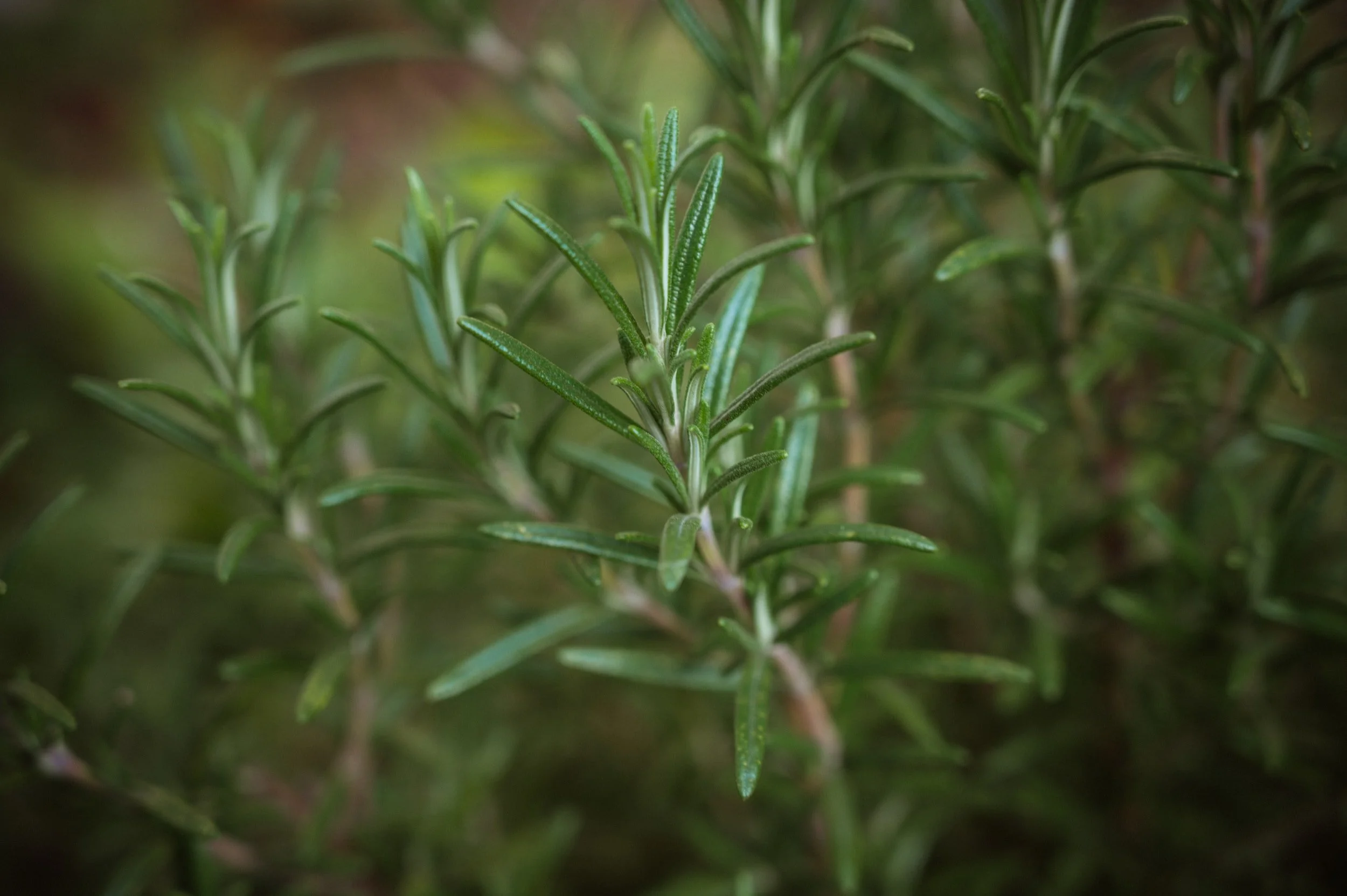
We used to have the most beautiful rosemary. It was huge, at least six feet wide, and we used it all year long. I haven’t bought rosemary in years. If I needed it, I would just send a kid outside with a pair of scissors. But two summers ago, we had a “heat dome” where the temperatures reached 112 degrees. And after that, the rosemary just withered and died.
There was probably something I could do to prevent the bush from dying, but it honestly never occurred to me that the rosemary wouldn’t be ok. It was here when we moved in back in 2009 and I never once tended it. I took it for granted. But since it’s been gone, we just…don’t cook with rosemary anymore. I should just buy some from the grocery store, but I tell myself I’m going to replant it and regrow it and it’s one of those things where you don’t throw away that sweater with a pull because you’re going to fix it but you never do so now there’s just one more sweater in the drawer you never wear.
Well, on Sunday. Forrest took the girls to Fred Meyer to buy some running shoes. (For non-locals, Fred Meyer is like halfway between Walmart and Target.) And when they came home, they’d picked up some seeds. Some cucumbers because we’re all so in love with them that we always want more seeds. A bunch of flowers - zinnias and snapdragons and marigolds - that will doubtless end up in the girls’ garden and, when they bloom, in mason jars and vases on every surface in my house, even the weird ones like the top of the microwave.
And rosemary.
I guess they decided it’s time to try again. Which is funny, really, because so did I. When I put in my big seed order two months ago, I included a live rosemary plant. It hasn’t come yet, because our seed company has my back and won’t send it until it’s time to plant in the ground. They know us gardeners. If we get it too early, we can’t help but plant it, even though it will probably die.
So, after I finish this blog, I’m going to start some more seeds, and rosemary will be one of them. And then, just about the time that those seedlings are ready to plant, my order will come in too. And we’ll plant them all and hope that it works.
And maybe this time, I won’t take my rosemary for granted.
More about The Mud Witch!
So, now that I’ve announced my book, I thought I would take a moment to talk a little more about what it’s about.
So, now that I’ve announced my book, I thought I would take a moment to talk a little more about what it’s about. I’ve been working on it, on and off, for two years now, although the bulk of the writing and revising was done over a year ago. It’s strange. The book was very much written during the worst of the pandemic times when we were stuck inside. And as unproductive and sluggish as I felt then, clearly those long boring evenings were good for something.
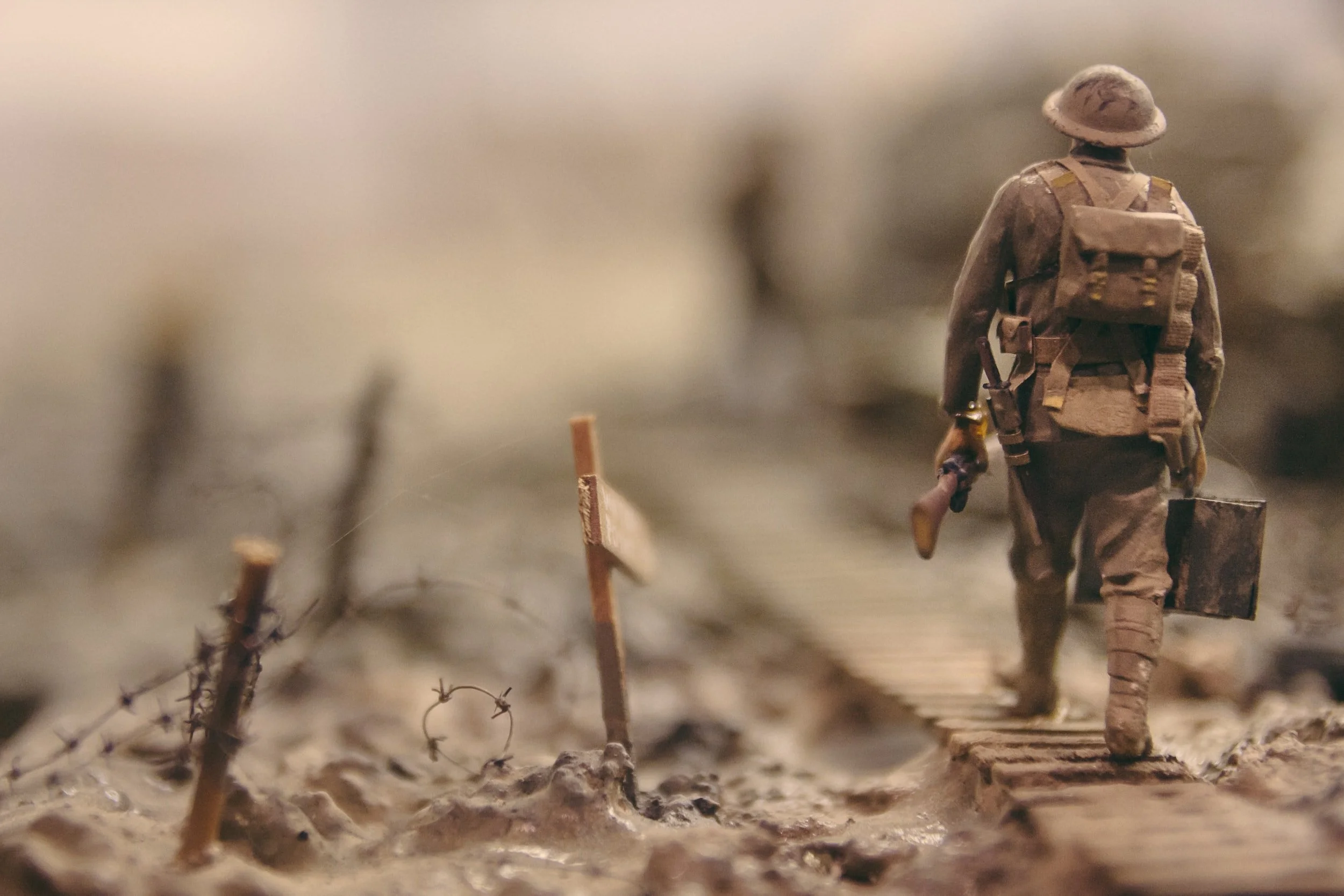
The story follows Adelaide Simone, a young woman who also just happens to be able to do magic. She’s been trained by a mysterious Order on an island off the coast of France to use the combination of mud and water, plus her own abilities, to be able to bend the laws of physics. At the start of the book, she’s using those skills to protect transatlantic boat crossings from the dangerous waters around the English Channel. Oh, did I forget to mention? It’s 1915. And she’s on a ship called the Lusitania.
Addy has some big decisions to make. She’s got some pretty extraordinary skills, and there’s some pretty extraordinary carnage going on. But she’s not really supposed to be involving herself and the Order has strict rules about how and when their members can intervene in world affairs. Still, unlike them, Addy has seen what's going on firsthand and she can’t just stand by.
Things get even more complicated when Addy realizes that she’s not the only one using magic on the Western Front. And the other magic is stronger and more dangerous. She’s got to find some allies, convince the Order to trust her, and figure out who is causing all the chaos. Too difficult? Not for The Mud Witch of Verdun.