
Garden Maps
New years are for life before mistakes and oddities. For reflections and planning and pretty little rectangles on a perfect white piece of paper.
The seed catalogs started coming this weekend. Or maybe it was last weekend. We don’t check our mail very often around here. Either way, the arrival of the first Fedco catalog always makes me feel more New Years-ish than any ball drop or fireworks display. The new year shouldn’t sneak up on me, between all the hoopla around Christmas and then kids off of school and trying to un-decorate our house and then whatever New Year’s Eve shenanigans we get up to. But still, the last year doesn’t feel really over until I am sitting at a quiet kitchen table, kids back in school, half-full mug of tea, deciding what to plant next spring.
Because it’s not really next spring anymore, is it? It’s this spring now. Just a couple months away. Seeds are the perennial metaphor for hope and new beginnings and all that, but for me, seeds are also a metaphor for an ending. Because when I start thinking about ordering seeds, I am closing the book on last year’s garden, once and for all. You’d think the six inches of snow and ice storm would have done that, but no. For me, the garden starts and ends with a piece of paper, one that gets taken down when the seed catalogs some.
It’s my garden map. All the rectangles drawn carefully, lined up just right, so that between Forrest and I and the girls, everything gets planted where it goes. This is more important than you would think, simply because with all the gardeners in this yard, it can be easy to till up already planted ground or pull up seedlings that look like weeds. So the garden starts with a seed catalog and a piece of paper.
I think that gardening can be a loosey goosey type of hobby, and I’ll be the first to admit that by June, we’re pretty much shoving plants wherever they will fit, but there’s a peacefulness to planning it out first. A reflectiveness. Did the potatoes do well there last year? Did the basil get enough sun in that bed? Do we want more flowers or more herbs this time around?
The possibility of the future garden is enticing to me. I don’t yet know that the tomatoes won’t ripen before the first frost, or that the new type of lettuce will bolt too quickly to eat. For now, it’s all working perfectly. All of the wonderful lessons I learned from last year’s garden will be implemented. I definitely won’t get tired or bored, it won’t rain too much or too little, and of course we won’t get so sick of zucchini we’ll compost it before I can bear to make another fritter.
I like the imperfection of the real garden too. The weirdly shaped carrots and spindly tulips. But new years are for life before mistakes and oddities. For reflections and planning and pretty little rectangles on a perfect white piece of paper.
I don’t throw out last year’s garden map. I put it in with all of our other sentimental documents. But it’s certainly not a blank slate anymore. It’s got muddy fingerprints and crossed out sections where we made a mistake or rethought a plan. It’s been crumpled and stepped on. It has served its purpose well, and now it’s time to get added to the box of memories that document this life we’re living.
I like to think that my actual life is made up of a little bit of both. The pretty plans based on last year’s quiet contemplation, and the muddy, crumpled guide that gets the job done in the end. Which, upon reflection, might not be the worst thing in the world.

Red-Eyes and Resting
I feel as though I am no longer simply grieving people I’ve lost, but the time that has not lived up to what I once believed it would be.
I’m currently travelling back to my hometown for my best friend’s baby shower, after a red eye and a long layover and airport food and whew. This is the first big thing I’ve done since my surgery, exactly one month ago today. And what a month. I am a person who deeply believes in the importance of rest, and still, when faced with week after week of exhaustion, I found myself struggling much more than I ever thought I would.
I do my best to divorce my self-worth from my productivity because I truly believe that we are not merely the sum of what we do. But what I didn’t realize was how hard it is to keep believing in rest when it’s disruptive to so many of the everyday routines that make our lives work. It’s so hard to feel like an inconvenience, like I’m adding one more thing to Forrest’s already overloaded plate, like my girls are wanting and needing something that I simply do not have the energy to give them.
I’ll admit, I was irritable. My frustration at not being able to do more bubbled over more than once, and more than once, my family gently reminded me that while they knew I was struggling, could I please be slightly less abrasive? I don’t want to paint a picture of some beatific person who sat there reading books and smiling weakly at her children – no, I was grumpy and mostly played Candy Crush and watched stupid TV.
But as I’m getting my strength back, mostly, I’ve been overwhelmed with gratitude. Gratitude for Forrest, of course, who takes most setbacks in stride and never seems to get tired of caring for us all. Gratitude for my friends, who reached out and helped keep me connected to the world outside. And mostly, gratitude for my girls, who have grown enough to be able to create the Christmas magic I simply could not.
These past few years have been full of grief for a lot of us. And I’m not sure that that’s a bad thing. There’s a power in grief – in fully owning the losses and giving up the idea that we can control them or fully prevent them. I don’t know that I’ve accepted that I don’t want a life without loss. I feel as though I am no longer simply grieving people I’ve lost, but the time that has not lived up to what I once believed it would be. The years of my kids’ childhood that were spent in a sort of half-life. The months of fear and exhaustion as we tried to claw back some semblance of normality even before the girls were vaccinated. And now, completely unrelated, these weeks of illness and pain.
I don’t always know how to balance that gratitude and grief. Because, to me, they are two sides of the same coin. Both are expressions of profound investment in life, the one wild and precious life that I get. As I age, I find myself shedding the layers of cynicism and anxiety and sophistication that kept me from being fully immersed in this living. But that’s hard, so hard, too. There’s a reason we hold onto that cynicism – real life, fully lived can burn like flame, can’t it? Even the gratitude is bittersweet, tinged with fear of loss or understanding that even the good things in our life will one day fade or change.
This probably isn’t the uplifting new year’s post that I should be writing. Maybe it’s the red-eye flight talking. But I’m determined that this year is going to be a good one – and that actually means one where I don’t shy away from the gratitude or the grief, where I am thankful even for the sick days and forced rest. Even if I am a little irritable about it from time to time.

Hello!
Please know how truly thankful I am for all of you and that from our family to yours, have a cozy Christmas and a joyful New Year.
Hi!
A quick note to say I am sorry for not posting more these last three weeks! I had an unexpected health issue that is now resolved (bye, bye gallbladder!) but the surgery has taken a lot more out of me than I anticipated. In true Serenity style I blocked off THREE WHOLE DAYS to recover from my surgery before returning to blogging, working on revisions, and continuing the latest manuscript. Instead, I spent a solid 10 days in a recliner, binge-watching 800 Words and Doc Martin while getting increasingly irritable at my exhaustion. My wonderful girls and Forrest have worked overtime to keep house, bring me copious amounts of tea, and keep me in Jello and applesauce. I am truly blessed.
I am also truly behind. So, I am going to try to do a blog or two this week in between work, Christmas crafts, wrapping, and what looks to be a pretty big snowstorm here in Seattle. But, as we say around here, no guarantees. If I don’t, please know how truly thankful I am for all of you and that from our family to yours, have a cozy Christmas and a joyful New Year.
-S
Blueberries
The plant that seems the least impressive, the afterthought, the slow and steady tortoise - it’s also the giver of the rare treasure.
It’s snowing here today and everything looks like a fairy wonderland. I’m not fully able to enjoy it because I need to go out later and Seattle is not known for its snow removal capabilities. Nevertheless, the snow makes all the gross fall detritus look clean and pristine, and the hundred-foot-tall firs look positively alpine. I can’t help but enjoy it.
Most of the plants in our yard have given up the ghost. They’re either perennials, ready to get through a long cold winter, or annuals, which have been harvested and thrown onto the compost pile. Everything looks just as a sleeping garden should. Tucked up and ready for a rest.
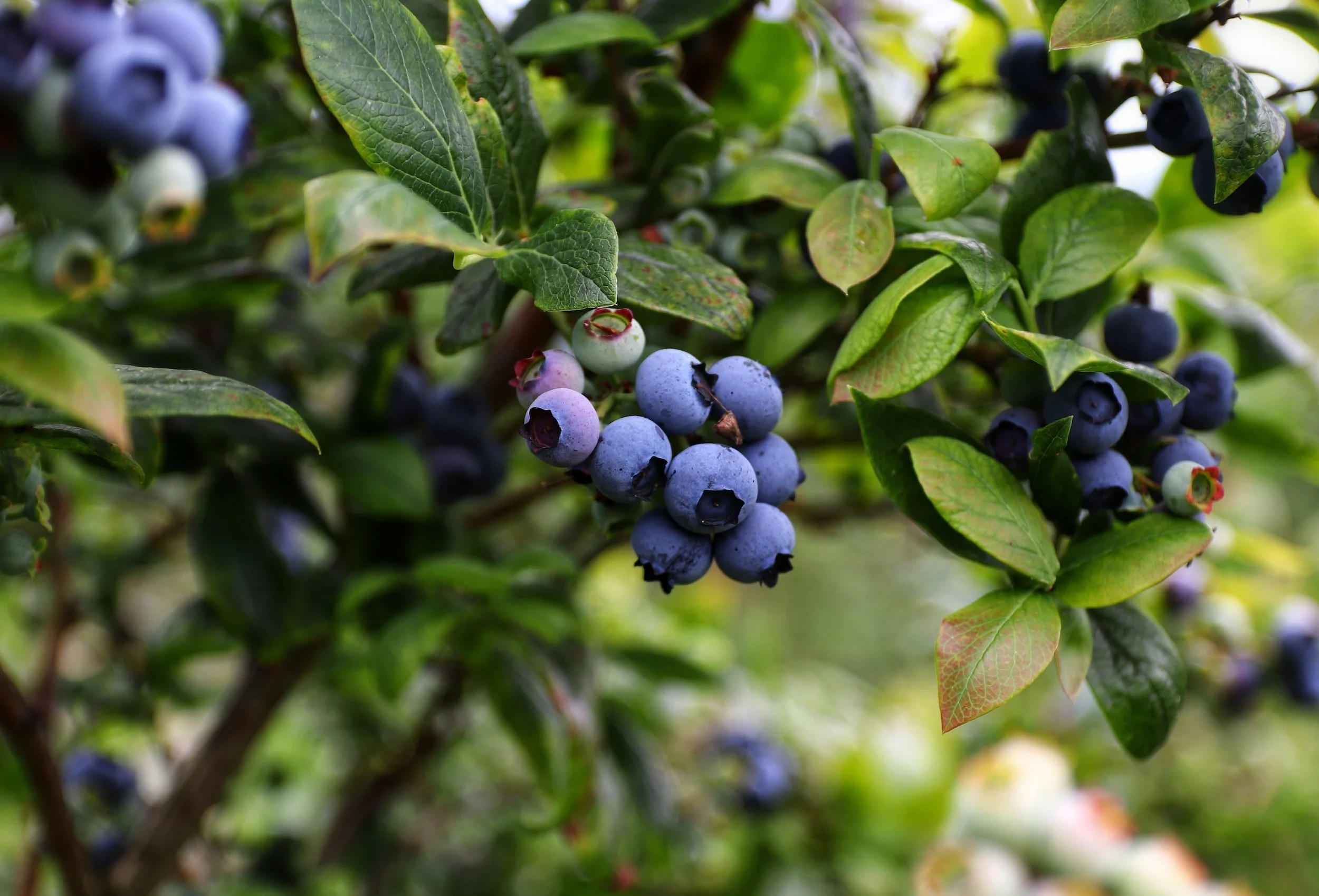
But not the blueberries. They’re out there, full of leaves, brashly gathering the snowflakes. I don’t understand why. I’ve never heard of blueberries keeping their leaves after the first frost, but mine do. That said, I haven’t done a ton of research on blueberries, other than knowing they like acidic soil.
The blueberry bushes were one of the first plants added to our garden. Long before we had raised beds, I brought my toddler to the garden center during their blueberry plant sale and bought six little bushes. I made Forrest dig some holes for us, and that was that.
For as long as we’ve had them, they should probably be bigger. Back at Forrest’s childhood home in Pennsylvania, the blueberry bushes were as tall as me. Ours are barely hip height, but they make up for that by giving us lots and lots of the most delicious berries.
It’s funny how that works sometimes, isn’t it? By many measures, these little blueberry bushes are a bit of a disappointment. We’ve been carefully watering them for years, making sure they don’t get choked out by blackberries or weeds, and putting compost on them every spring. They certainly haven’t exceeded my expectations.
Every year, we head out to a you-pick berry farm, ready to fill our freezer with plenty of berries to get us through the winter. And those berries are good. Quite good, really. But none of them compare just one of our pink lemonade berries.
The plant that seems the least impressive, the afterthought, the slow and steady tortoise - it’s also the giver of the rare treasure. And we do treasure those berries around here. It’s pretty rare for me even to taste one; the kids have gotten there first. There is never a bowl of those berries that sits on my counter; they’re all eaten on the way to the door.
So, as I look out at my foolish blueberry bushes, leaves covered in snow, I have to believe that there’s a method to the madness. In their own time, they’ll follow the crowd, drop their leaves, and get ready for another summer of the beauty and bounty that we are lucky enough to experience year after year.

Christmas Lights
Most people around here put up lights, and more than a few go, well, they go overboard. There’s a part of it that feels so futile.
We’re moving into everyone’s favorite time of year here at the Dillaway house. I was feeling a bit under the weather this weekend, and yet, with no reminders whatsoever, the house got decorated from head to toe by the girls, with Forrest on assistance. (Except for putting the lights on the tree. When I tried to explain to him my patented zig-zag method, he rolled his eyes and handed me the string of lights.) And after the dreariness of late fall, seeing the Christmas lights go up around town is a welcome sight.
People really get into Christmas lights around here. We live really far north, farther than Minneapolis and Fargo, farther north than all but the very tip of Maine. The sea air keeps everything pretty temperate here, but that doesn’t change the fact that on the winter solstice, the day only lasts 8 1/2 hours. It’s dark, and people try to push back the darkness with whatever they can. Most people around here put up lights, and more than a few go, well, they go overboard.
There’s a part of it that feels so futile. Some Christmas lights are supposed to make up for the fact that it’s dark when the kids go to school and almost dark when they come home? Some LEDs are going to help us ignore the rain and wind and most of all, clouds, clouds, clouds? It’s a small gesture, that’s for sure. And probably people don’t think very hard about it.
But if they did, if we did, we might see that putting up tiny colored lights in the middle of the darkest time of year is one of the things that connects humanity. Many, many cultures have festivals of light that occur in the late fall, as the last vestiges of the harvest die away. They light lanterns or oil lamps or candles or, yes, some LEDs ordered off Amazon.
None of them actually provide much meaningful light. Even the largest bonfire only lights up a dozen feet in each direction. So why do we do it?
Of course, I don’t know the real answer. I don’t even know if there is a knowable real answer. Maybe, though, we don’t light them to kill the darkness. We light them because the darkness is pervasive, and our little lights are the best way to find each other.
We know that each of those little lights was lit by another human, a human like us who is trying to make the best of a bad situation. Who is going to try, against all odds, to make a grubby, wet, cloudy place seem jolly and warm.
And it’s working. My kids love driving around at night, looking at all the lights. Even the people like us, who only put up a few strands. But it reminds me that other people are doing their best. Some years are harder than others. For our family, right now, things are not simple, or easy. But when I look out of the windows at night, and see all the neighbors lights shining against the dark, I’m reminded that I am anything but alone.
Travel and Travails
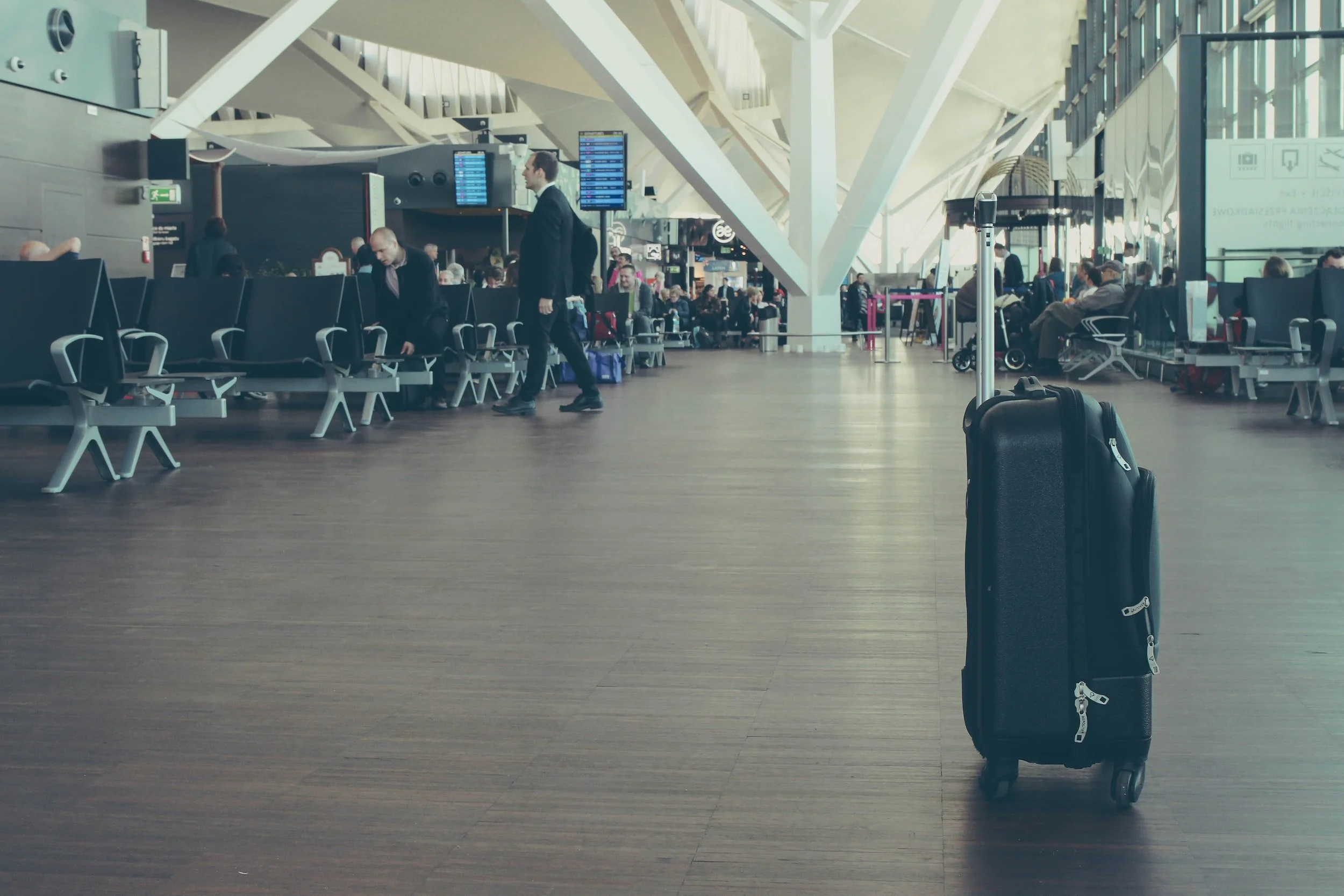
No one wants to have to sleep on the floor of an airport or on a bench in a train station or an overcrowded hotel room, but I believe that everyone should at least once.
We’re headed out of town soon on a big vacation. We’ve done three this year, the three vacations we had originally planned for the covid years. Forrest thought that because the whole world got shut down that he was going to get out of them. Ha! Instead, we did three in one year.
Traveling with my kids is one of my favorite things to do. It’s also one of my least favorite things to do, because it’s hard. Even with them at the ages they are, it’s not easy. They’re not picky eaters, but they’re not adventurous either. They don’t always sleep well in new places. They go and go and go until they drop, and then all hell breaks loose. And when three tween girls are stuck in tight quarters, hell breaking loose is very loud.
But that’s why I love it. Our kids, like most American kids, live a very comfortable life. There’s enough food, warm clothes, shelter and toys and friends and family that are just crazy about them. I wouldn’t change a single thing about their lives. It’s good for them to grow up believing that the world is a place that is full of good things and good people and that they deserve those good things and that they are part of that cycle and will one day be expected to create more good things for the children of tomorrow.
On the other hand, travelling is frequently uncomfortable. Things are different, or unpleasant, or inconvenient. And that’s good for my kids. Because they learn to adapt. No one wants to have to sleep on the floor of an airport or on a bench in a train station or an overcrowded hotel room, but I believe that everyone should at least once. Nothing gives you an appreciation for the finer things in life like a night spent uncomfortably.
One of my favorite memories with my family happened when the twins were 5 and my eldest was 7. We were going up to a town in the mountains and because I didn’t want to have to worry about snow chains or getting stuck in the pass, we decided to take the train. Unfortunately, on the way back, the train was scheduled to come at 6:00 am. So, we got up early, packed up, and waited for the hotel shuttle. We were waiting in the lobby when the hostess told us that the train was delayed and that the shuttle would come in two hours when it was time.
So we asked for our key back, went back upstairs, let the kids watch some TV and then went to grab breakfast at the buffet. The shuttle eventually came and got us and then left us at the station, which had a manufactured building but nothing else.
The train was delayed for another two hours, and that manufactured building got pretty stuffy. Eventually, we schlepped out to the platform just to let the kids play around for awhile. We’d been awake for about three hours when one of the twins called out, “The ground is warm!” It turned out that the train platform had heated pavement and, well, one thing led to another and then there was a giant nest of kids, coats, and luggage sprawling over the empty ground.
Eventually, people meandered over to wait for the train and I like to think that some of them were charmed by the three little girls building a playhouse out of suitcases. And a little while after that, the train came, blazing a way through the snow that had fallen over the weekend. We ate a sleepy breakfast on board and came home to take naps. And I don’t remember the headache I’m sure I had, or the whining that definitely happened. What I remember is my kids learning that hard moments aren’t simply endurable – they can be an adventure.
I don’t know what the world will look like when my children are adults. It’s still being built. That’s the challenge of modern parenting. How can we prepare them for something that we can’t predict? The answer, of course, is in the question. We teach them how to cope with the unpredictable. How to be flexible and inventive. How to remain calm and compassionate in stressful times. And how to create spaces of calm in the middle of chaos.
So we travel. Even though it’s hard and annoying and stressful – no, because it’s hard and annoying and stressful. See you on the other side!

Old Favorites
Some moments are for greeting old books like old friends, reconnecting with familiar stories, and reminding ourselves that it’s ok to take it easy sometimes.
I’ve been cocooning myself in some comfort reading lately and I’m trying very hard not to feel bad about it. My book club has been reading some heavy stuff – a gruesome crime novel, then Invisible Women by Caroline Criado Perez, and then finally a nonfiction about the immune system, which is good, if a bit gross.
On my own end, I’m neck deep in a new book that is coming together, but it’s all bits and pieces right now and self-doubt and wondering if I can ever make it come out the way I want it to. And the manuscript from last year is being edited, which means that someday soon, I’m going to get a document telling me all the things I did wrong and if you’re wondering if that day is worse than unmedicated childbirth, let me tell you, yes, it is.
So in my free time, I’m reading old books that make me smile and feel cozy and require absolutely no deep thought or discussion whatsoever. It’s all L.M. Montgomery and Terry Pratchett and Nora Roberts with fluffy blankets and a cat on my lap.
There’s a part of me that feels like I should be reading more complicated things. Or at least new things. There’s so much great literature out there and I haven’t read most of it. I know the gist of course. Wuthering Heights is about a codependent relationship with a narcissist. Pride and Prejudice is about navigating class and gender in an overly dogmatic society. Ulysses is about…just kidding, even if I had been able to finish it, I wouldn’t know what Ulysses was about.
Of course, by not having read them, I’m not getting the fullness of any of the stories, of the poetry and character building and settings. But my brain is tired and I don’t yearn for more things to think about. I have read books that shake me to my core and, as edifying as that process is, it’s not fun.
There’s a part of me that needs to cocoon during the winter. I want all of my people to be in one place, happy and safe and fed, and then I want to get really, really warm and not talk to anyone at all. I’m sure it’s evolutionary or something, but it’s not easy to justify in a world that tells us we must always be improving, moving forward, being productive.
I think it stems from the idea that we must be all things to all people at all times. I can’t just be a mother and a friend and a writer and a contributing member of society. I must also be well read and well thought and have educated opinions on everything from cryptocurrency to foreign policy. Nah. I’m giving it up. I’ll keep learning and trying, of course, that’s deep inside me, but not at every moment. Some moments are for greeting old books like old friends, reconnecting with familiar stories, and reminding ourselves that it’s ok to take it easy sometimes.
Zucchini
Why do I feel like growing the zucchini somehow locks me into a relationship where I’m not allowed to not use it? Just there, I wanted to write the phrase “not allowed to waste it” and maybe that says everything I need to say.
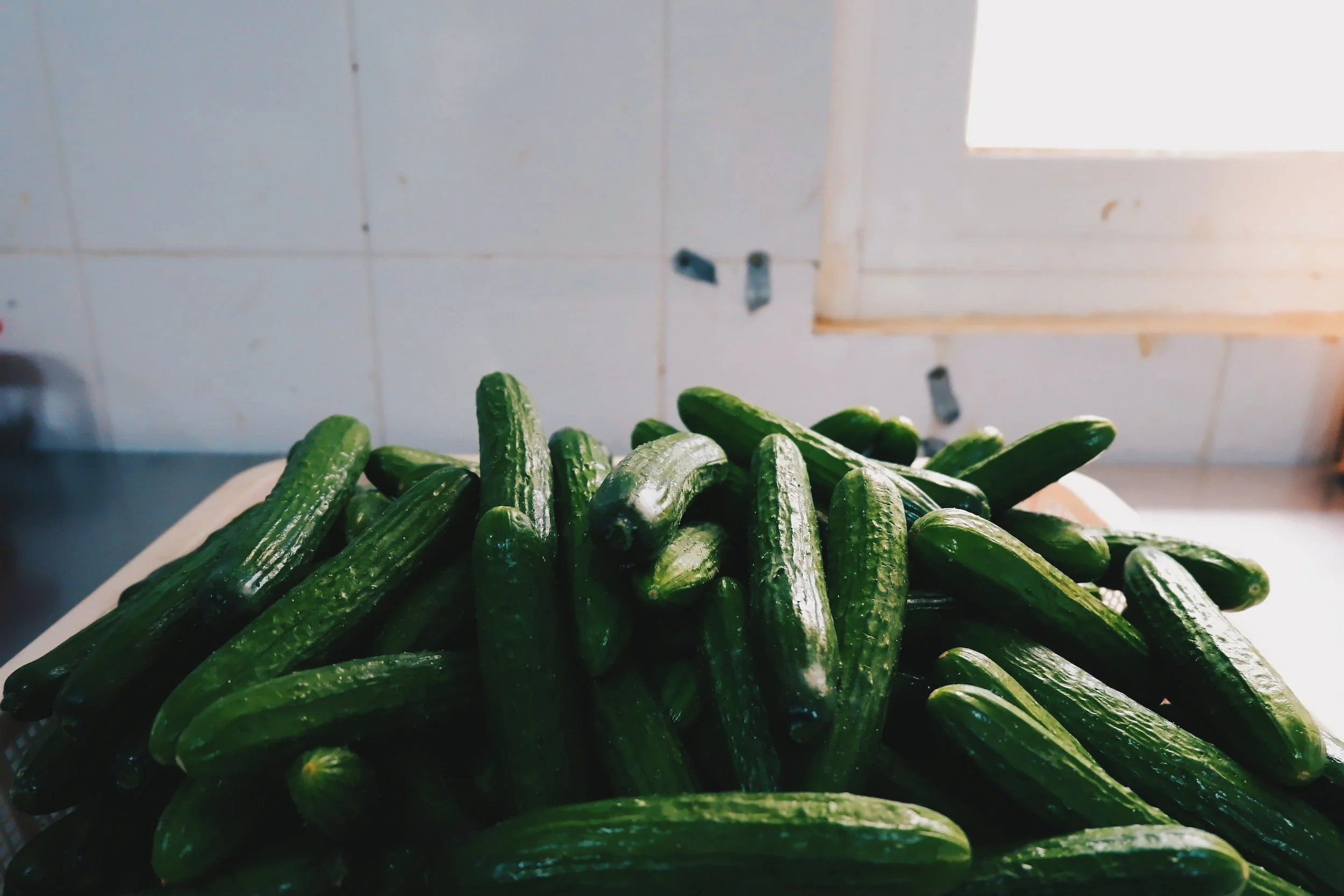
We didn’t grow any zucchini this year. I’m not sure if I’ve talked about it yet on the blog, but I have a love/hate relationship with zucchini. On the one hand, it grows really beautifully. It’s not hard to get started, it doesn’t mind being transplanted, and once it’s settled, it pretty much just needs sun and water. On the other hand, it grows too beautifully. Everyone knows that gardeners always have too much zucchini. I’ve probably given away more zucchini than I’ve eaten, and because I have a garden, I’ve eaten a lot of zucchini.
I don’t generally like growing vegetables that I wouldn’t already be eating. So, the mountains of zucchini bread and zucchini muffins, and ratatouille and baba ganoush and veggie lasagna don’t appeal to me. Those are not foods that I’d put on my shopping list. So why grow the zucchini if I’m going to have to force myself to eat it? I’m much more likely to use basil or carrots or even onions.
Zucchini is just so…extra. It isn’t coy; it isn’t sensitive; it knows who it is and why it’s here: to take over everything. It makes no excuses.
There are a lot of plants that are like that and many of them are considered nuisances. Tomatoes, mint, wildflowers of all kinds. (I once saw a review for mugwort that basically said, “Only buy this if you hate yourself, your neighbors, and everyone living within a one mile radius, because that radius will be covered in mugwort.”) I have a love/hate relationship with all of these. I feel such pressure. They need to be managed, the produce needs to be harvested, and most of all, they need to be pulled up and controlled or else they will take over everything.
And that’s pretty much how I feel about a lot of things in my life. My own dreams and desires, my kids’ wants and complaints, the general state of the world with all its competing factions. It all needs to be controlled or it will take over. And that sense isn’t wrong. One year, we had a pumpkin plant that was killing everything around it with its broad leaves and sprawling vines. I finally got fed up and in a fit of anger, grabbed a gardening knife and, in full view of the busy road outside my house, hacked the thing to pieces. It was destroying the entire garden!
But now, we grow our pumpkins in an out of the way bed where they can spread to their hearts’ content, without any limits whatsoever. And for what it’s worth, half of my pumpkins end back up on the compost pile every year, because there’s only so much pumpkin I want to eat. And that’s ok.
Why do I feel like growing the zucchini somehow locks me into a relationship where I’m not allowed to not use it? Just there, I wanted to write the phrase “not allowed to waste it” and maybe that says everything I need to say. I owe nothing to the zucchini and yes, there are probably starving children somewhere in the world who would love it, but they aren’t mine, because my children have eaten more zucchini than they would probably like to have in their entire lives.
Does it really harm the world for me to put the extra zucchini back on the compost pile to be broken down into fertilizer for some future year? Because what I’m doing right now is not growing zucchini because I don’t want to waste it. Is that better than growing a lot, using and giving away what I can, and recycling the rest?
I don’t know what to do with the overabundance of my kids’ desires for the latest toys and fashions. I definitely don’t know what to do with the deep seated dream inside of me for a life with a little more space and time and a little less arguing over chores. But like the zucchini, isn’t it better to have those dreams and desires and then take what we can from them without feeling like it’s all or nothing?
I definitely have a love/hate relationship with zucchini, and apparently lots of other things. And maybe that’s not such a bad thing.
Missing Out and Opting In
I do all the school parties and all the costume procurement and then, when the big moment arrives, I sit at home and fold laundry.
We’re heading into the holidays, which means a significant amount of my free time is beginning to be spent on creating magical moments for my kids. Don’t get me wrong, I actually love this part of my life, even the really annoying parts like running out to the store for more tape at ten o’clock at night. Part of the reason I love it is because it’s all really fun. I like having a decorated house and baking and crafts and all the little traditions we have created in our family.
The second, bigger, part of the reason I love the holidays is because I opt out on a lot of it. Not in a general sense, since we do all the big Halloween/Thanksgiving/Christmas-y things. (Except for Elf on the Shelf. Props to all of you who move that little gremlin every day, but no thank you. I don’t need that creepy doll staring at me all month.) But I personally opt out on a fair amount of our family’s festivities. I get it all set up, everyone ready to go, and then I wave goodbye to them as I savor my cup of tea.
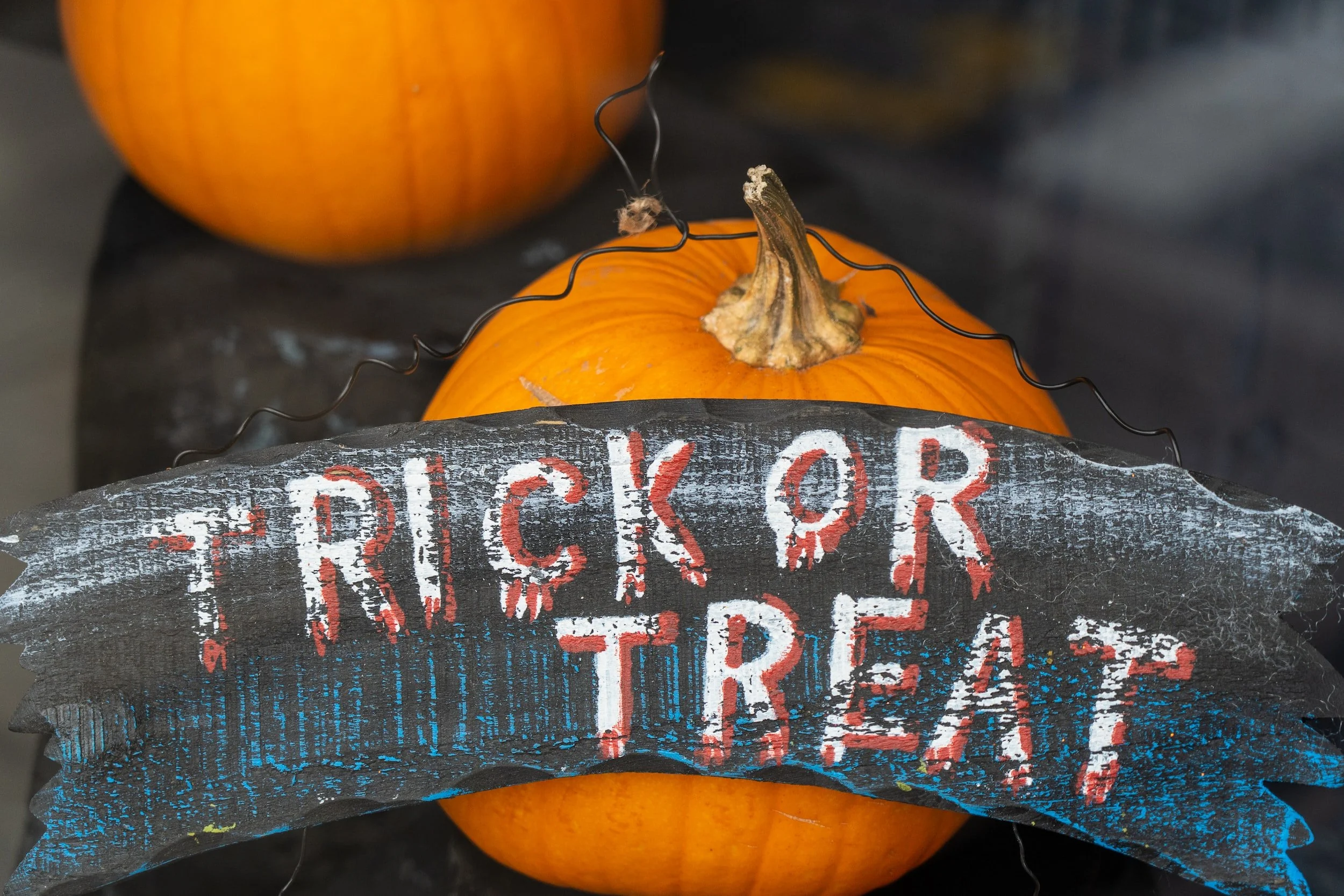
I told a friend last week that I was not planning on going out trick or treating with my kids. I do all the school parties and all the costume procurement and then, when the big moment arrives, I sit at home and fold laundry. She was aghast. “After all that work, how could you miss out on the good part?” My response: “With pleasure.”
There’s a part of all of these holidays where my whole family disappears for awhile and I get to stay back and enjoy the quiet and get the house back into some semblance of order and most of all get my own self back into some semblance of order. I am missing out. I’m missing out on feeling unappreciated and overwhelmed, on being disconnected and frazzled. I’m missing out on losing my temper and then feeling like I ruined everything.
But by missing out, I’m opting in to a lot of things. I’m opting in to the moment when my kids walk back in, excited to tell me all the things they saw and did while I was being boring and mom-like. I’m opting in to being able to help them with their mittens for the seventeenth time because I know that in a moment, I’ll be able to rest. I’m opting in to them being able to have fun with Forrest and their friends and building a world that doesn’t have me at its center.
This way isn’t for everyone. There are people for whom being in the middle of the party is the only place to be. Where the holiday wouldn’t feel like a holiday if they missed out. I live in awe and envy of them. I wish I could live, buoyed on Christmas spirit, from event to event to event, with a final New Year’s Eve hurrah.
Instead, this is the person I am. I can fight against it (and have), or I can shrug my shoulders and accept that my need for rest is not a flaw to be fixed but rather a reality to navigate. My experience of the holidays is supposed to be good too, right? And for me, that occasionally means missing out.

Dreams and Distractions
What does rest mean? Does it mean sleep? Does it mean frequent breaks during the day? Does it mean significant time spent on nonwork? What about hobbies that are fulfilling but physically hard?
It’s November 1st, a new month, and the unofficial beginning of the coziest season of the year. For me, and my writing, it’s also the beginning of my biggest ambitions and probably least productive time. There’s no sunny backyard to distract, the kids are (mostly) in school, and there really is nothing that makes me happier than a cup of tea, a cat, and my laptop.
But that same coziness also brings with it the little creeping distractions. I’ve already planned out our Christmas crafts, started shopping for stocking stuffers, and just this weekend, Willow and I made maybe the best muffins I’ve ever had. I’m currently stuffing my face with one of them and let me tell you, the roly-poly feeling is not conducive to deeply creative thought.
I’ve of two minds on productivity. On the one hand, I’ve got a “butt in seat” mentality. You sit down, do the work, and don’t stop until you’re where you want to be. “You can’t edit a blank page” and all that. On the other hand, as a parent who is trying to work, there are moments where the exhaustion/worry/neverending task list obliterates anything resembling excellence. And I do believe that rest is part of work.
What does rest mean? Does it mean sleep? Does it mean frequent breaks during the day? Does it mean significant time spent on nonwork? What about hobbies that are fulfilling but physically hard?
And the final piece is that there is literally no room in our society for the mentality that rest and work are not opposites, but rather two sides of the same coin. There’s no room to realize that forcing oneself to push through the exhaustion is occasionally helpful but mostly just borrowing from my future self. (And let’s be clear, that future self is the one who spends time with my kids. They get the mom who is running on empty.)
There’s a luxury in this life of mine and it’s one I am self-conscious about. A few years ago, I was allowed to decide what I wanted to do with the next ten years of my life. There were a lot of parameters put in place by the realities of my life, but all of those had to do with time and flexibility and my ability to randomly spend a couple days in the hospital if my kids’ needs flared up. Money was the piece that didn’t have to matter. I can’t even express how thankful I am for that.
But that flexibility that this path offers me is a double edged sword. I can be anywhere at anytime (in fact, I must be able to be anywhere I’m needed at anytime) but there’s also no one prioritizing this writing but me. (And Forrest, of course, who is a total rock star, except for his habit of begging me to write the books he wants to read instead of the ones I actually want to write.) And without a boss, or a true deadline, or even a clear path forward, it’s hard to navigate the work/rest/play balance.
I don’t purport to have any answers. I set my little writing goals and I put a timer on and turn my phone to do not disturb and then I spend my time falling down a wikipedia rabbit hole that is only marginally related to the work at hand. And the holidays will bring their own work/rest/play balance, or imbalance, of course. Most of all, it’s nice to remind myself that no one knows the answer. There isn’t one. There is only persistent effort to try to get it right, try not to let down the people I value most. And remind myself that one of the people I’m trying not to let down is me. Because if I don’t value her dreams, how can I ask other people to?
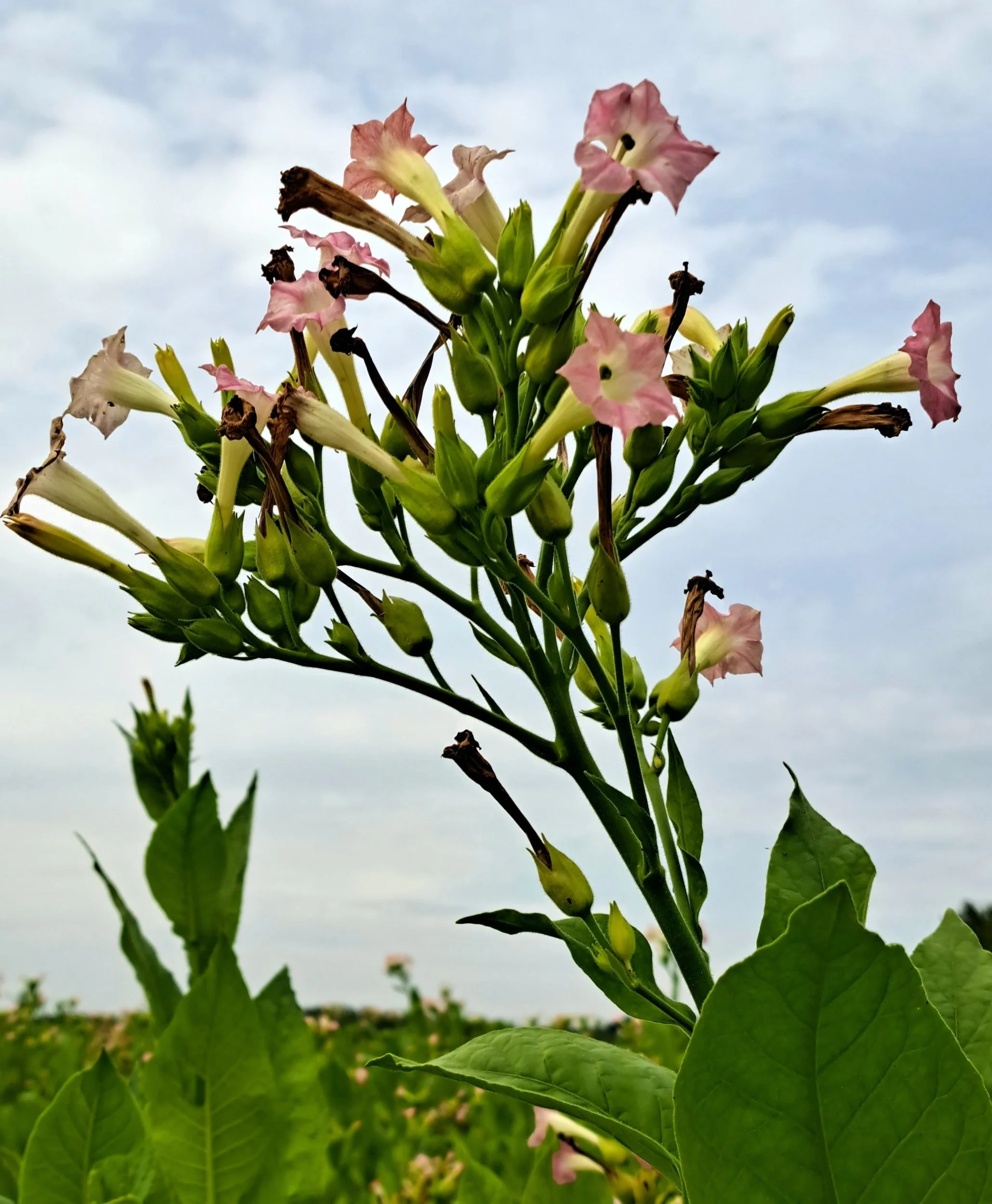
Nicotiana
My kids, especially my eldest, hate it. It’s a hate borne of fear, which she will freely admit.
Nicotiana is a flower that has a bad reputation, at least around here. It’s pretty uncommon to see outside of the southeastern US and I’m not sure how I stumbled upon it, but it’s been a huge hit around here. Well, for Forrest and I, it has. It grows to be 2-3 feet tall, and has pink/purple/white flowers, which, at night, release the most beautiful smell.
It’s also very poisonous.
My kids, especially my eldest, hate it. It’s a hate borne of fear, which she will freely admit. The plant is a member of the tobacco family and so, if eaten, it will kill you. Unfortunately for her, the plant is beautiful, low maintenance, and has adapted well to our laissez-faire approach to flower planting. When the choice is between caring for the delicious cucumbers or weeding the beautiful but deadly nicotiana, it’s not hard to decide. The nicotiana has spread throughout our flower beds and I love it. Unlike the morning glories, which would gladly choke out everything else, it’s a well-behaved flower.
It’s hard for me, as a parent, to do something that my kids have specifically objected to. I don’t mean objections to house rules or eating their vegetables or something normal like that. I mean when they say specifically, I don’t like that decision you’re making and it affects me. As my kids age and have more of thier own opinions, it comes up more often. To be fair, there are a lot of hills I’m willing to die on now that they’re older. When they were toddlers, I wasn’t going to fight my corner over choosing what to watch on TV. For one thing, all those toddler shows are the same mind-numbing dreck. For another, if you push a toddler too far, they’re liable to bite you.
But these days, I’m starting to stand my ground on the little things. I tell myself that it’s good for them to learn how to accommodate others and I don’t want any prissy kids who always have to have their own way, but let’s be honest: there are five people and four animals living in this 1300 square foot house. My kids are used to compromise. I’m not doing this for their own good.
It’s hard to admit that maybe I stand my ground on the nicotiana because I just like it. Maybe that’s what I’m modelling: that it’s ok to like things and want to have them around for no other reason than they bring you joy. There’s no actual harm to any members of my family. They know not to eat the flowers or leaves and our yard has plenty of other inedible and poisonous plants.
I think that if there is one thing I’m modelling, it’s that when something brings you joy, you hold on to it. It’s easy to eliminate everything that gives us anxiety or fear. It’s a surefire route to the most comfortable life. But comfort and joy aren’t the same. And sometimes, many times, joy is complex. It takes effort and thought and even overcoming fears.
And that’s what I love the most about nicotiana. It blooms in the dark, smells intoxicating, and will definitely kill you if you eat it. The beauty lies in the complexity.
Fighter Jets
My kids are pretty consistently reassured/mortified by the fact that there is no amount of embarrassment that will deter me from taking care of them.
I try not to talk too much about current events on this blog, mostly because the ever-changing nature of the world means that within a week or two, whatever I’ve talked about is probably not happening anymore. Or we’ve found out something new, or we’ve realized that what we thought was true was just a snap judgement that turned out to be incorrect.
But this morning, at drop off, one of my daughter’s peers mentioned something about her acting silly and how it was probably because she had high blood sugar. The girl wasn’t wrong; my twins often do enter school with higher than ideal blood sugar. It turns out being in a class all day burns a lot of energy, and it helps get them through to snack time if they’re slightly high.
After the friend had flitted away, my daughter turned to me and said, “I really hate that.” I asked her to clarify, and she talked about how whenever she’s being weird or loud or, you know, a kid, the other kids attribute it to high blood sugar to get a laugh. And it turns out that diabetes is one of those things that it’s ok for her to joke about but less ok for other people to joke about. Because we don’t live it. We can’t possibly understand.
I’m not worried about bullying or anything. Kids are inadvertently rude all the time and there’s nothing malicious about it. My daughter knows that too. She knows that if it bothers her enough, she can tell them to stop or ask for help. There are a dozen adults who can have that conversation. She knows that kids have no way of knowing it bothers her unless she says it does. And for right now, it’s not that big a deal. One of the many annoyances you get when you spend your day with 10- and 11-year-olds.
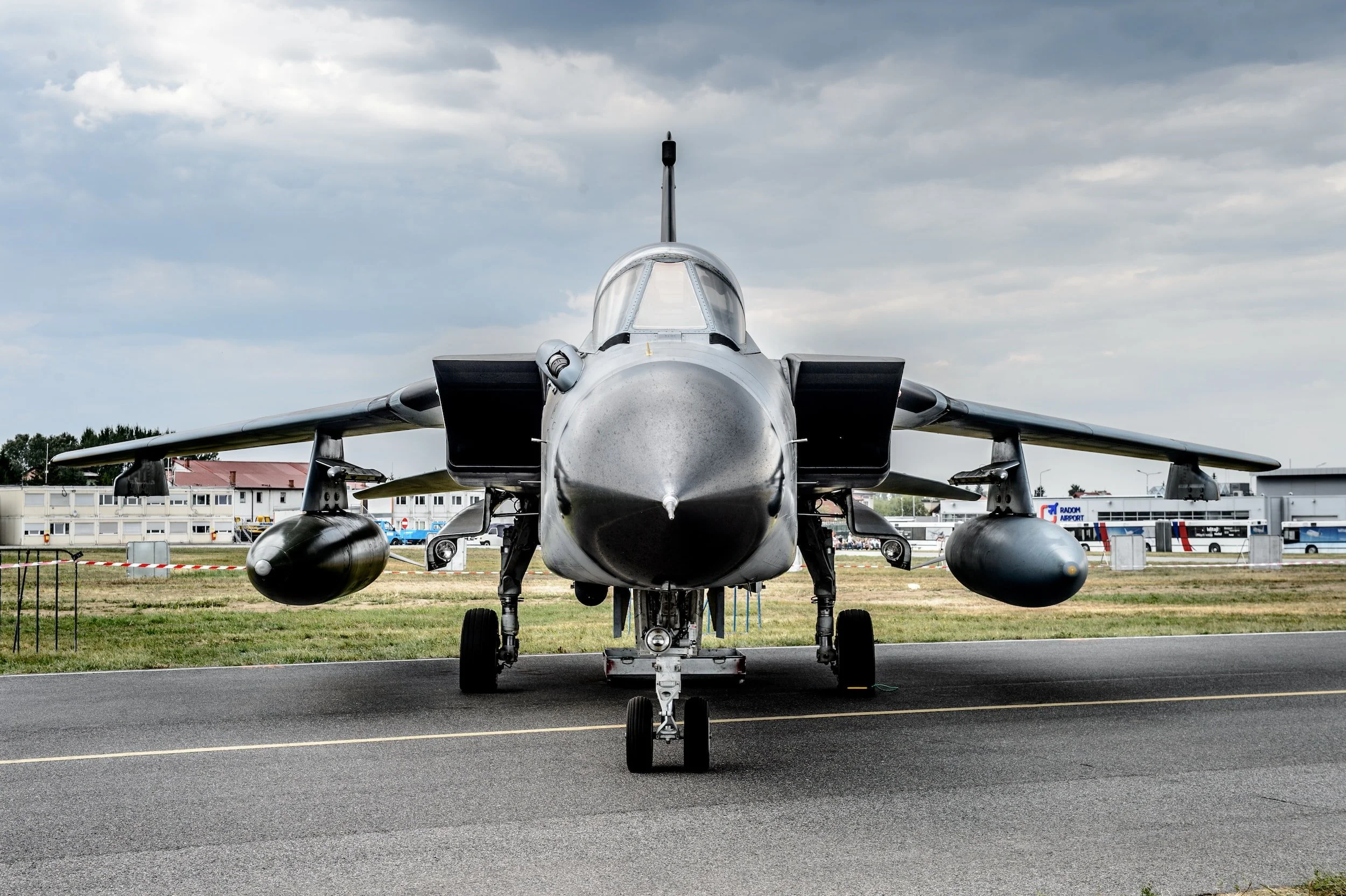
An old version of me would have waltzed in, ready to educate or reprimand, going in with guns blazing. Forrest calls me a “fighter jet” parent. Not a helicopter parent who always watching. No, I’m just constantly on standby, ready to go bomb the crap out of anything that I perceive to be a threat. My kids are pretty consistently reassured/mortified by the fact that there is no amount of embarrassment that will deter me from taking care of them.
I didn’t used to be this way. I learned it because I had to. When you have a three-year-old who needs injections and candy (and occasionally to be force fed juice), you get pretty good at aggressively ignoring busybodies. And when your kid’s health depends on being very clear about exactly what needs to happen, you get good at communicating directly. Most of all, I’ve gotten very, very good at realizing that other people’s impressions of me are much less important than my kids’ trust.
As my kids age, though, it's been hard to have to step back and let them decide when to call in the fighter jet. It’s hard to watch them choose not to take action, to decide when keeping the peace is more important than feeling at ease. To watch them, in short, go through the same growing up process that we all have to go through.
I started this saying I don’t comment on current events here, but the other night, there was a debate in Pennsylvania in which one of the participants needed accommodations. Not for diabetes, but I’ve heard a lot of negative comments about his needs. And every time I hear it, I am reminded that if my daughter were up on that stage and her low glucose alarm went off and she ate a few Skittles, or if she went high and her voice got a little too loud, those same people would be talking about how unfit she was. How could we really trust that she was competent? How do we know if she’s fully in control if her body isn’t working exactly as it’s intended to?
And I want to bomb the crap out of it. I spend a lot of my time working to make sure that my kids get the necessary accommodations, and it terrifies me that someday they’re going to have to enter a world that treats people with disabilities with suspicion and contempt. As though the rest of us able bodied people are always even-keeled, rational or unaffected by things like hunger, exhaustion or pain. As though making sure that people with disabilities are given what they need is too much to ask.
I don’t know the best way to deal with a well-meaning kid who makes an off-color joke. I don’t know how to counsel my daughter. She’s got to find her own way of being in the world - the magic words that will make her meaning clear while also keeping her friendships intact. The world is full of people who accidentally hurt each other, whether that’s through attributing everything to their disability or asking them to pretend like it’s no big deal at all. There’s a middle way, but it’s hard and complex and requires forgiveness and understanding and most of all, humility.
The fighter jet inside of me is learning that humility, one day at a time, learning to make the effort to listen to the needs of my kids. And in turn, learning to listen to the needs of the other people around me, because lots of people have struggles we don’t see. This stuff isn’t easy. There are complexities here, difficulties that must be navigated with thoughtfulness and wisdom. But not a single one of those complexities is solved by making jokes. We’re not kids anymore who don’t realize what we’re saying, and it’s time we started acting like it.
Edamame
I looked over and the beautiful green pods were brown and dried out. I didn’t even have time to regret it. Just another thing I don’t have time for in September.
Every year, we pick out a few new plants to try, something to keep things interesting. Usually, they don’t work. Sweet potatoes were a bust, cabbages got eaten by slugs, and the kiwis are growing beautifully without producing a single piece of fruit. I don’t mind. It’s nice to experiment.
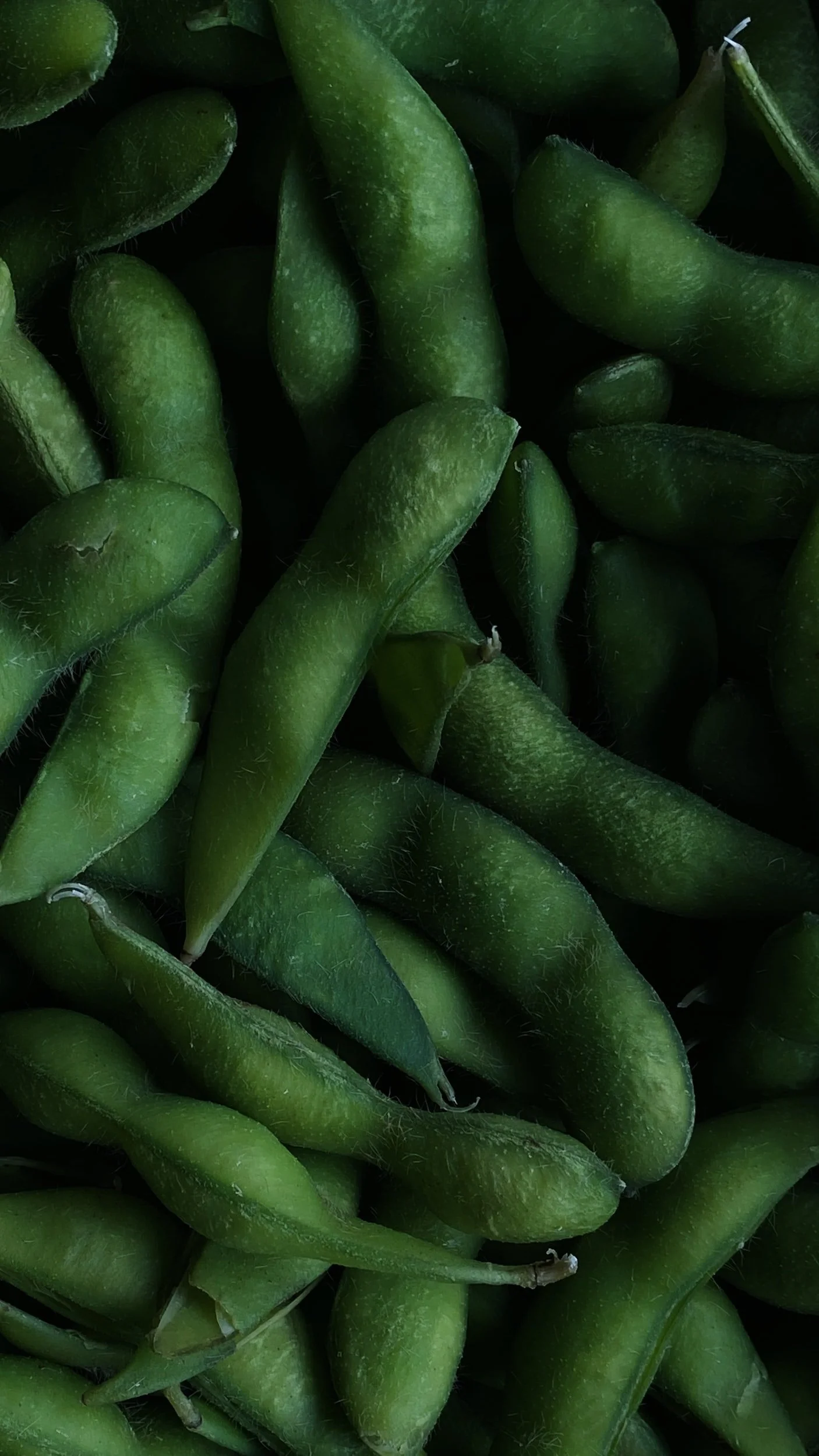
This year, one of our new starts was edamame. For those of you who don’t know, edamame is a type of soybean that is cooked and eaten sort of like peas. Some people eat the pods, others don’t, but they’re delicious when steamed and salted. We like it because it’s an easy protein to throw into a salad or stir fry. Plus my kids would eat straight salt if I let them and this lets me at least have the illusion that it’s healthy.
The variety I ordered grew much like green beans. I was so happy to see that it had worked! Unfortunately, the pods ripened just as the rest of my life was at its most hectic. So, I kept putting off harvesting. And putting it off. And putting it off. Finally, I looked over and the beautiful green pods were brown and dried out. I didn’t even have time to regret it. Just another thing I don’t have time for in September.
But I went away for a girls’ night away with some friends (we didn’t even have time for a weekend - it was maybe 24 hours), and Forrest has an aversion to letting food go to waste, even seemingly dried out edamame. So when I got home the next day and reached for some leftovers to lunch, I found a stir-fry with shelled edamame in it. I looked at him and he smiled. He’d gotten the girls to help him shell them, pulled out the ones that really were too dried to eat, and steamed the rest. They were a little tough, but still delicious.
I am so thankful that he’s willing to go the extra mile to find the good in situations I give up on. If I have one flaw (I know, just one?) it’s that I’m very quick to throw up my hands. If it doesn’t work on the first try, it doesn’t work. Maybe we’ll try again next year, but if it’s not right, there’s nothing to salvage. Forrest, on the other hand, goes the complete opposite direction. Right now he is happily making a woodshed out of some pallets he found by the side of the road and an old dresser that was falling apart.
As you can imagine, sometimes that can lead to disagreements. I look at a burned cake and want to throw it out. He pulls out a knife to cut off the bad parts. I want to trash a leaky hose, and he’s out there with plumber’s tape. I both love and hate it. And I think he enjoys that there are moments where I put my foot down and refuse, allowing him the indulgence of - gasp!- buying something new and pristine.
We’re definitely growing edamame next year, and with luck, our growing season will be more normal so I can harvest it in August when I’ve got more time on my hands. Besides, I’ve got no choice. Yesterday, I was sorting through our surplus seed packets and I found a little container. I recognized it as one that had originally held ketchup from our favorite take out place, carefully washed for reuse by Forrest. Inside, a couple dozen dry edamame seeds filled the container. And on top? It had been labeled, very carefully, in my daughter’s handwriting.
The apple doesn’t fall far from the tree. And I could not be happier about it.
Complexity and Complaints
The world is complicated and as I age, I am realizing more and more that it takes courage to admit and accommodate that complexity.
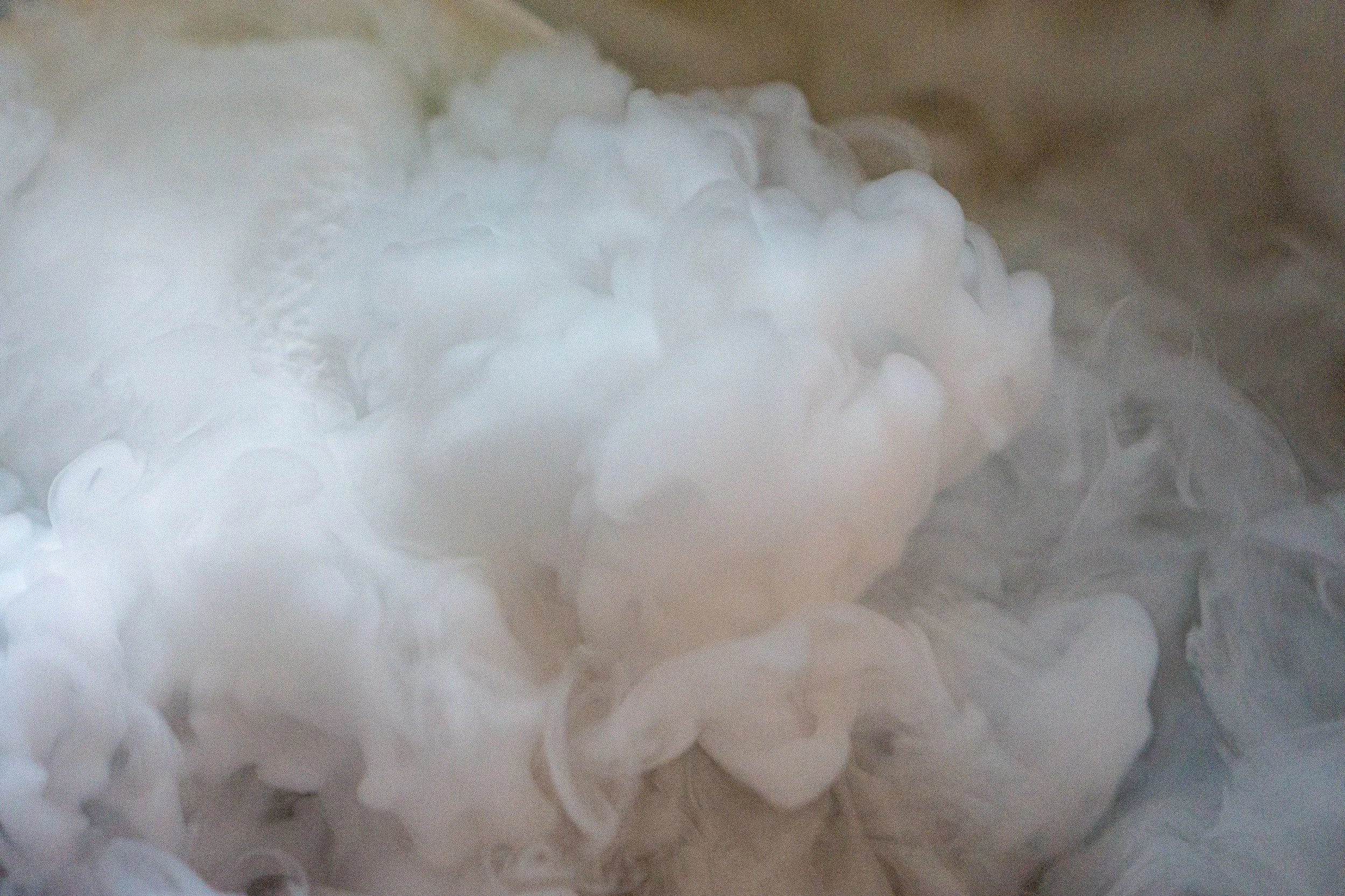
It’s smoky again today and I’m really quite over it. If it feels like I’ve been talking about the wildfire smoke for the last two months, that’s because our area has basically been covered in medium to high levels of wildfire smoke for the last two months. Everyone is grumpy, frustrated, and eagerly awaiting the forecasted rain this weekend. If it comes. We’ve been tricked before.
Mostly, it feels like there must be something someone somewhere should be doing. I ended up looking into it and after a few hours of poking around weather blogs and smoke forecasts, it turns out the answer is yes. There is something someone somewhere could be doing. And they’re choosing not to.
And that choice not to act is the right one, even with the smoke.
The main fire that’s causing all of this frustration is right along the edge of one of the two highways that connect Eastern and Western Washington. This may sound confusing to my east coast brethren, but here in the wild west, the mountains mean business. Which means, for 4-5 months a year, all those cute mountain roads are covered in literally a dozen feet of snow. So there are two roads that connect our side to their side, and by extension, the rest of the country (unless you drive south and then east which can be dicey too).
As far as I understand it, the fire, which is along Route 2, is being treated very carefully because the usual fire management techniques will make those areas more likely to have mudslides when the rain returns. Again, remember that around here, the mountains mean business - the 2014 Oso mudslide killed 43 people. If Route 2 gets shut down, there’s only one way in or out. One way for trucks, busses, and passenger cars to get through. So we’re all just sitting in a giant cloud of smoke for a month.
I hate it. I hate that it smells like a campfire outside. I hate that we have to run our furnace fan to filter the air. I hate that my kids have to stay in at recess half the time. But I also admire the bravery of this decision, because I understand it. We live in a time where people complain about everything, all the time. There are entire facebook pages for our town where people pretty much whine about traffic, neighbors, kids, dogs, stores, and of course, the city government. And often, the things that are being complained about are really important and helpful - just not to the complainer. Why build nicer bus stops? I don’t ride the bus. Why create dog parks? I don’t have a dog. Why do they sell organic vegetables? I don’t buy them.
The world is complicated and as I age, I am realizing more and more that it takes courage to admit and accommodate that complexity. To sit in a smoky neighborhood and know that these decisions are hard and supported by data. For too long, our forest management practices were determined by common sense. Common sense that was short-sighted and wrong and mostly, based in an unwillingness to delve into the complexity and self-control of hard decisions.
And in the end, when the rain comes, and the smoke season is finally, finally over, we’ll be able to look back and remember that when our society knew better, it did better. One hard decision at a time.
Dirt
I struggle sometimes with not being fully knowledgeable about all things at all times. I don’t know why, perhaps it’s my little perfectionism in a life that is stubbornly imperfect in every other way.
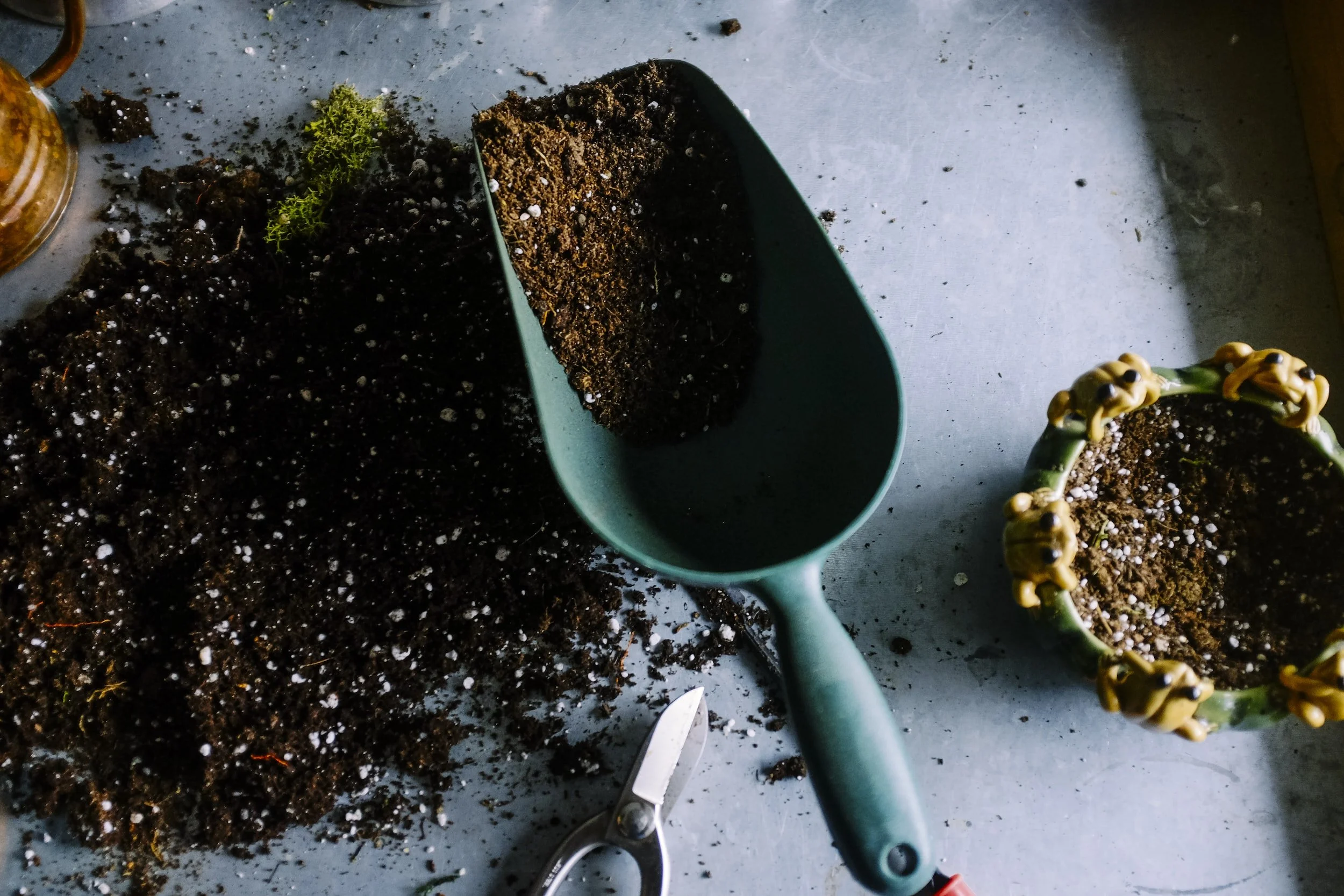
This past weekend Forrest and I helped out with a giant gardening project over at the school, which has been an ongoing effort of his, but I was just called in as grunt labor when they needed to shovel 7 cubic yards of topsoil into the new raised beds. My lower back has finally stopped punishing me, almost a week later, but the reward of seeing the now-filled gardens was more than worth it.
Is it just me or does the sight of clean dirt bring a smile to your face? On first look, the phrase “clean dirt” is oxymoronic, but there’s something about the possibilities in a garden bed that feel fresh and new. There’s no weeds to be pulled or rocks to be sifted, simply the potential of spring flowers and summer harvests.
Having made my own soil mixtures from time to time, I always find it intriguing how much more complicated our topsoil is than we know. Vermiculite for drainage, compost for nutrients, additives to encourage germination or discourage disease. And every company and gardening blog has their own preferred recipe. Me? I leave that kind of thinking to others.
The science of gardening is something that I dabble in occasionally, but it doesn’t hold my attention. I wish it did; I’d be a better gardener. But, to be honest, I like the mystery and magic of it all. Until my plants are sick or pest-ridden — then I’m more than happy to lean on my more educated brethren.
I struggle sometimes with not being fully knowledgeable about all things at all times. I don’t know why, perhaps it’s my little perfectionism in a life that is stubbornly imperfect in every other way. So, in releasing any real understanding of why my dirt contains all of its myriad parts, I’m allowing myself to put some trust out there into the world. The plant scientists spend their lives figuring out how and why all this stuff works; why not rely on them?
Perhaps it’s also my little protest against my own hubris. In our society we are expected to have opinions on everything, whether or not we really know anything about them. That’s why everyone is an epidemiologist last year, then a vaccine expert, then an inflation policy guru, and now a professor of Russian foreign policy. It’s exhausting. And everything is as complicated as it seems. So maybe you’ll forgive me when I look at a new garden full of clean dirt and don’t ask any questions before I just dig in.

Legos and Gratitude
I tell myself that we can have all of those good things, but only if we buy them at the right time or get the cheap seats or forego the luxury add-ons.
Yesterday, I looked over at Forrest in horror and informed him that I had forgotten to order Advent calendars. He looked at me in horror that not having them ordered on October 10th constituted an emergency on my part. Moments like this remind him that we really are two completely different people and there are parts of me that will always remain a mystery to him.
Of course, it wasn’t really an emergency because there’s plenty of time to order them, but my usual pattern is to order them in January at half price and then stash them in the garage until the next Thanksgiving. That way I feel justified giving my kids something that to my mind feels extravagant. “A lego advent calendar? How about you open the little door and see the picture and feel thankful for that? When I was a kid, we didn’t even get the chocolate kind!”
There’s a lot of things that I try to nickel and dime my way into justifying. I want my kids to have nice things, but also to understand and appreciate those nice things. I want them to have gratitude for what they have and awareness of how fortunate our family is. We live in a place where the standard of living is very high and while we appreciate that - we love the parks and concerts and schools - we want our kids to remain grounded.
So I tell myself that we can have all of those good things, but only if we buy them at the right time or get the cheap seats or forego the luxury add-ons. Which, to be honest, has led to some pretty hilarious moments when my kids’ friends don’t know how to close our minivan door (“You gotta pull on it, honey.”) or when my kids get ridiculously excited about finding deals (“Mom! These jeans are on sale for $8. Nordstrom jeans! For 8 dollars!”). But I worry sometimes that instead of teaching them gratitude, I’m teaching them to ignore their old-fashioned mom.
Forrest and I, like most parents, try to give our children the things that we remember wanting. This gets pretty specific sometimes, like the annual L.L. Bean Backpack or the frozen berries that fill our freezers. And we talk about how “Back in the day, we had to walk uphill both ways to school with only apples and bananas and can you believe that you can get kiwis any time of the year and what are you complaining about, that sandwich looks just fine, I wished I had the Boar’s Head lunch meat when I was your age?”
But my kids don’t want the specific things that I wanted. The backpack means nothing to them, and the lunch meat is wasted on their unrefined palates. They want what they want. Which, at the moment, is a crap ton of fidgets and more screen time.
That last one is funny, because I don’t remember the words “screen time” coming up once in my childhood. Not once. The TV was ours unless my parents wanted to watch something. They want what I had free access to. And maybe that’s the key. We want exactly the thing it is that is most controlled.
I don’t plan on extending screen time, of course. And my house has more than enough slime, pop-its and nee-doh balls. But perhaps I could lay off the “You should be grateful…” speech a little bit. It didn’t work on me, and it’s not working on them. Gratitude, like all virtues, comes from a life that has been lived. We are never more thankful for a warm house than after a cold walk. Or a soft bed after a long day. Or a good friend during a hard time.
So, what the hell. I’ll buy the Lego advent calendar. It’s not going to spoil them for me to pay full price. At the same time, maybe I’ll lean into letting them live a little rather than telling them what they should be grateful for. And maybe live a little myself, too.
Garlic
I don’t remember ordering it last spring but the seed company, knowing better than me, didn’t send it until it was actually ready to be planted.
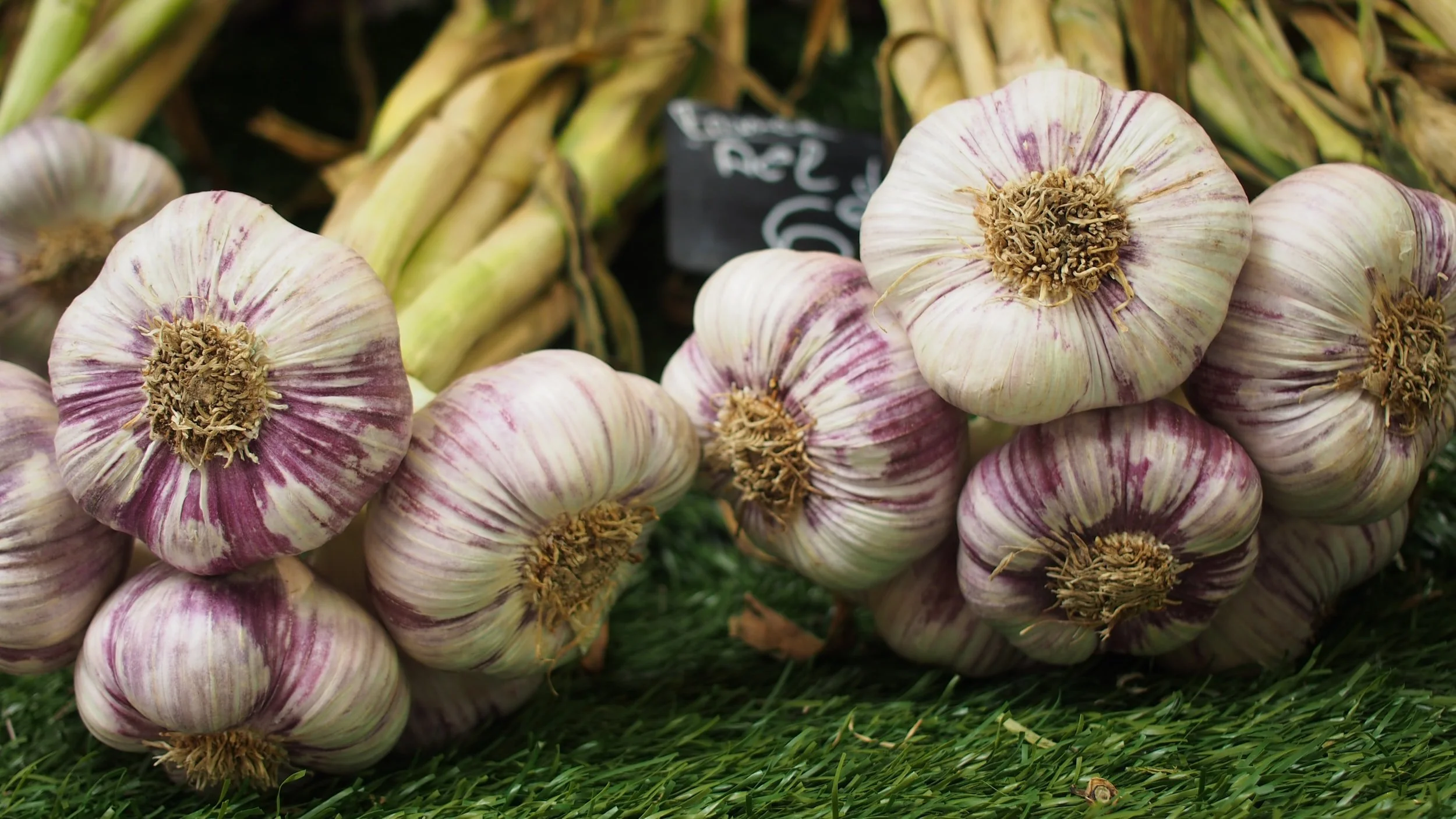
It’s October, which is garlic planting time in our hardiness zone. I wish I could say that I already knew when garlic planting time is, that there was some sort of calendar or organizational system that I rely on, or even better, that I was so in tune with my garden that I could feel when it was time to plant. In reality, some garlic appeared in the mail yesterday along with a guide on how and when to plant it. I don’t remember ordering it last spring but the seed company, knowing better than me, didn’t send it until it was actually ready to be planted.
It’s winter garlic, so it gets buried now and then, like many bulbs, puts its shoots up in early spring. Each year I garden, I’ve enjoyed doing bulbs more and more. Spring feels so intense around here - the weather is still fairly miserable, kids’ sports and school is way too intense, and there are so many other gardening tasks to do. So, it’s nice to look over at a pre-planted raised bed and think, “Thank you, Fall Serenity. Nothing left to do there.”
The other nice thing about garlic is that a little goes a long way. I planted about 30-40 cloves yesterday. It took maybe 15 minutes. I’m sure some won’t germinate and some will get nibbled or dug up before they get very big. But even if we get 25 heads, that’s our garlic needs sorted for most of the year. And unlike zucchini, basil or tomatoes, garlic needs very little processing. Dig it up, dust it off, tie it in a bunch, and voila! You’re basically a homesteader already.
I often get caught up in tasks that seem really easy but aren’t. I’m usually halfway through before I realize how deceptive my initial impressions were. How often have I thought something like, “How hard can it be to put together this IKEA chair?” only to get mired in a 27-step process using 50 different screws and a single allen wrench? But sometimes, more times than I deserve, things are simple. Like planting garlic. And crockpot soups. And the occasional blog post where I pour out a beautiful, cohesively written essay before my tea even cools.
This is not that blog post. I started it about two hours ago, and about ten minutes in, I was interrupted. And then I got distracted and decided to make some lunch, chat with Forrest, do some light housecleaning, and welp, here we are. I’m learning not to make judgements about things like simplicity, or distractions, or even needlessly complicated bureaucratic processes. Tasks take the time they take. Any frustration or expectations I add onto that simply make my experience worse. Most days I fail to go with the flow, but I’m trying to be zen about it all anyway.
It’s really, really nice, then, when the garlic gets planted and there’s still time to read an extra chapter before duty calls once again.
Setbacks and Carrying Water
This has been the hardest part of being a writer, keeping my own brain in check. There’s a lot of alone time and a lot of time wondering if any of this is real work at all or if it’s all just a narcissistic fever dream.
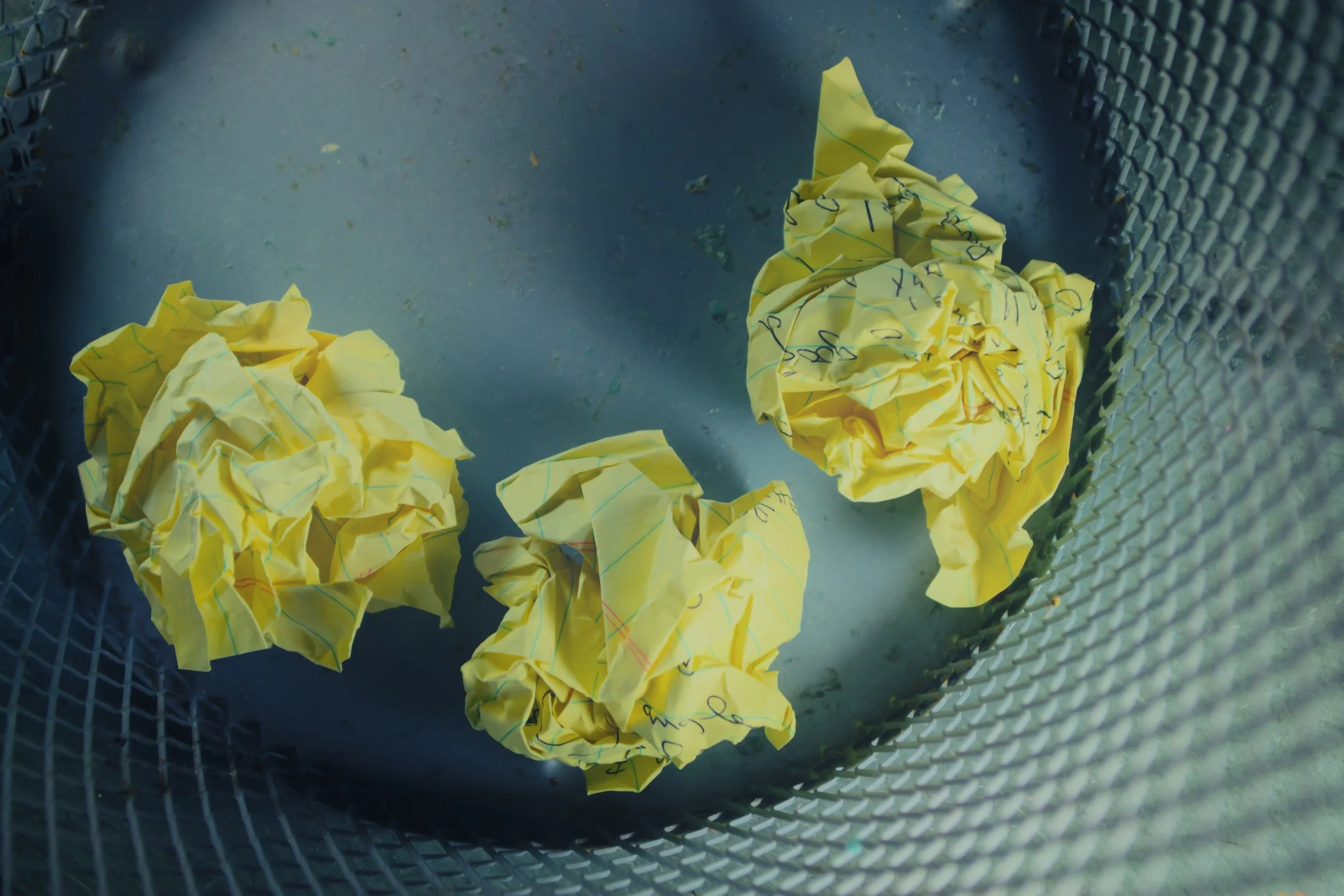
It’s been a week of frustrations for me. And it’s only Wednesday. The new book I was working on stalled, the book-in-waiting hit a roadblock, and I lost a day to health stuff. And then, this morning, I was all set to spend a free hour on a long-procrastinated DIY project only to realize I don’t have any paint stripper. Gah.
There was nothing left for it but to go for a walk. Too many things inside my head were jumbling. New book ideas, paths forward for the book-in-waiting, parenting worries, house plans, and all of the emotions and frustrations and regret that commonly swirl in my brain when I’m at decision point. So I put on some terrifically moody music and got outside.
There’s this amazing book by Barbara Brown Taylor called “An Altar in the World” about accessing the sacred through the mundane. In it, there’s a chapter about “carrying water.” That is, the holiness of monotonous physical labor that connects us with both our fellow humans and our own humannness - the daily bundle of needs that make up being a living creature. I may be misremembering since the last time I read the book was last year but her point resonated with me: Sometimes, when we’re stuck, we need to get moving physically in order to get unstuck mentally.
That chapter is one of the reasons I garden. It’s one of the reasons I build in time to do the dishes in the middle of my day. It’s one of the reasons why, when things are really bad inside my head, Forrest will come out for lunch and see me preparing to paint a room in our house yet another outrageous color.
If I sit and try to think, I circle the drain. But if I’m moving, even doing something as simple as a walk, those annoying ruts are interrupted by other thoughts - thoughts like, “Damn, this hill is steeper than I thought,” and “Oh, they tore down that cute house I liked.” And those interruptions pause my rage and regret for just long enough to maybe provide a new path to walk down.
A path like, “I can’t believe I forgot to order the paint stripper. Who does that? Remember that meme about going to Home Depot ten times for every DIY project. Well, if there’s a meme about it, maybe it’s just a thing that people do.”
Or, more helpfully, a path like, “Ok, this plan didn’t work. Why did I choose it in the first place?”
And by the time I’ve gotten back to my yard, I’m sweaty and gross and tired but also ready to just admire the morning glories that have taken over my yard instead of feeling like the worst gardener ever for just giving up fighting them sometime in August.
I’m putting this post in the book section of my blog because this has been the hardest part of being a writer, keeping my own brain in check. There’s a lot of alone time and a lot of time wondering if any of this is real work at all or if it’s all just a narcissistic fever dream. You get into it wanting to create magic and then you find yourself spending a half hour comparing two different synonyms for the word “blonde” and it all feels like it went off the rails somewhere. But then something as stupid as a walk sorts everything back into its proper places and it’s hard to admit it but maybe that’s as close to magic as I’m going to get today. Then again, 30 minutes of sappy music and things are back on track? Maybe that’s not so bad, as magic tricks go.
Season's Changing
I can feel the movement away from playgrounds and playdates into fandoms and hangouts.
The seasons are changing around here, and I don’t feel quite ready for it. I’m not talking about summer to fall. No, between the last weeks of smoke and the very hot August we had, I’ve happily pulled out my sweaters and started making crockpot soups and snuggled up with the girls watching Great British Baking Show.
No, I’m talking about this season of life. I can feel the movement away from playgrounds and playdates into fandoms and hangouts. Forrest has already started to find hobbies he never had time for before, and I’m finding myself figuring out what manga to buy and trying to listen to whatever the new version of the Spice Girls is.
Most of all, I’m feeling the subtle switch from being relentlessly demanded into casually dismissed. It’s not that my kids don’t want to spend time with me. It’s just that my opinion doesn’t count for very much these days. This morning at school dropoff, I was approached by a younger neighbor girl who wanted nothing more than to show me all the tricks she can do on the bars. I watched, using my now-rusty excited voice, “Oh my gosh! Look at you, you’re upside down! I didn’t know you could flip like that!” while the twins rolled their eyes and wandered off to find friends.
We’re not fully out of that summer season though. Just like the warm fall days that peek through, I still get a few moments of “Watch this!” and “Guess what I can do, Mom!” But mostly it’s a lot of “See you laters!” and “Can we have so and so over to play Animal Crossing?” (Does screen time count when it’s actually about bonding with friends?) And there’s a LOT of “You just don’t understand, Mom!” (To which I reply, “Ok, can you help me understand?” followed by the biggest sigh you have ever heard in your life.)
Like the end of summer, I find myself mourning the little losses and talking about them probably too much. “Remember when…”, “Oh I miss…”, “It used to be so cute when…” Then again, it’s also fun to see the little adults within straining to come out. One of my kids has started to read every fashion styling book I can find for her. And now she helps me look my best, assuring me that as soon as she’s tall enough, that coat I love? It’s hers.
And it’s nice to finally maybe be able to use some of my life experience to help them make sense of the new, incredibly social world they find themselves in. The other day we were walking and I was talking about an old friend who didn’t make me a priority and so our friendship never really took off because at some point I had to cash in my chips and realize I couldn’t force her to want to be a better friend to me. I’m not sure why, I think I was reminiscing about a particular restaurant we used to frequent and it just came up. But all of a sudden one of them started crying and startled, I asked what was going on.
“It feels like maybe you’re secretly talking about my friendship with so and so.” I assured her I wasn’t, really, I’m far too self-centered and blunt to make a random conversation surreptitiously about her, but that, in the words of my southern brethren, "A hit dog hollers.” If my story hit a little close to home, then maybe she had some thinking to do.
The seasons are truly changing. And I know that these next few years, like all of the stages before them, will probably be a rollercoaster of growth and change and negotiating rules and talking over parenting problems ad nauseam. I’ve got to admit, I’m 100% here for it. In fact, I’m gonna grab me some pumpkin spice and fall leaves and dive right it.
Carrots
Sometimes I want my kids to have no idea at all what their joy cost. I want it to feel free, abundant, a small miracle there for the taking.
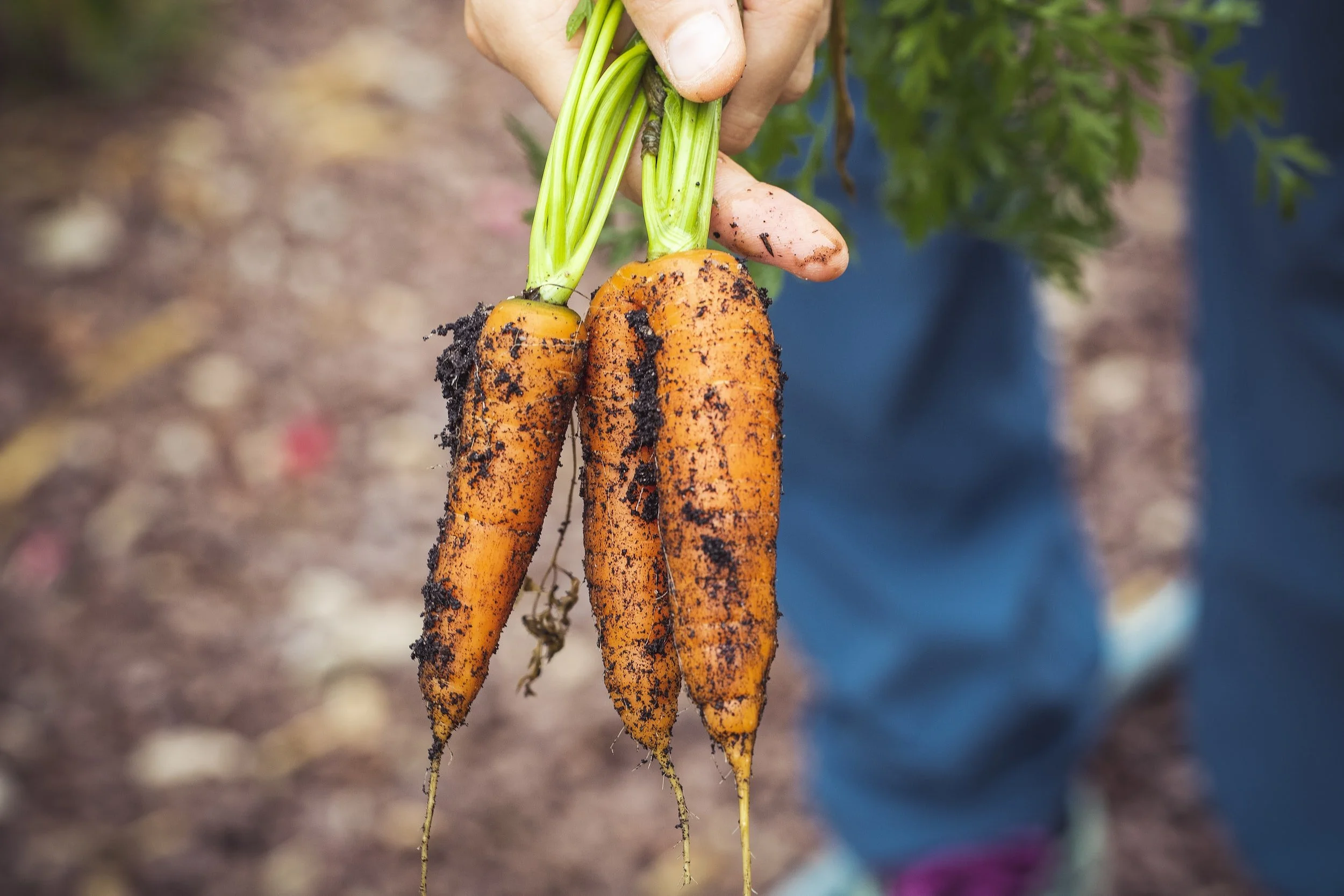
Carrots are one of the kid favorites from the garden. Most years, we can barely get the kids to hold off harvesting until they’ve had a chance to grow, and unlike tomatoes or apples, they’re just as good when they’re small (and quite a bit better than when they’re too big).
One problem though. They’re completely unreliable. I’m told carrots should be sown directly into the soil, no inside starting necessary, but some years I broadcast the sesame-like seeds and we have a bed full of carrots. Other years, nothing grows. I’ve asked around to lots of very experienced gardeners and their response boils down to, “Yeah. Carrots are like that.”
It’s infuriating. It’s even more infuriating because the climate we live in is not always the most friendly to baby plants. Well, it’s really, really friendly to ferns and moss and blackberries. But anything that needs sun and warmth either has to wait until June or give up.
So last spring, in a fit of pique, I prepared a tray of carrots in our usual indoor seed starter. And man did they grow! It turns out that if you give carrot seeds perfectly nourished soil, direct light for 12 hours a day, and twice daily watering, they are quite happy to grow. Hundreds and hundreds of plants.
Of course, it’s rather foolish, because each of those hundreds of plants needed to be transplanted into the garden bed, a task that I was conveniently too busy to do. Forrest bit the bullet and took care of it. (He’s gentler with the transplants than I am anyway, so really, it’s for the best.) And those carrots thrived.
I try not to think about the ridiculous hours of work we put in, just for a hundred or so carrots. A carrot at the store comes to about a quarter, and that’s if it’s full sized. Meanwhile, my kids are yanking little baby carrots out of the ground with no awareness of the care that went into it. Nor should they. There’s a reason you don’t start carrots inside.
When we start pumpkins inside, we start about 5 plants, maybe 10 if we’ve got time. And we end up with about 20-30 pumpkins. It’s the same for tomatoes, cucumbers, squash, zucchini. A lot of bang for the buck.
So why did we do it? And why will we definitely do it again next year?
Because, most days, when the twins get home from school, they dump their backpacks on the sidewalk and drop their coats and run into the garden. They yank out a few dirt-covered carrots and wipe them on their pants or sleeves or, if they’re smart enough, the grass. And then they joyfully crunch their way through the hours of effort that Forrest and I put in.
Isn’t that parenting in a nutshell? You put in a thousand hours of thought and time and hard work and then your kids come along and munch it up, not realizing for a second what it cost. Sometimes I want them to, and we have lots of conversations about appreciation and pitching in and not leaving sneakers all over the kitchen floor where someone will trip on them.
But sometimes I want them to have no idea at all what their joy cost. I want it to feel free, abundant, a small miracle there for the taking. There is a place for gratitude but there is also a place for wonder. And those little carrots are sometimes the most wonderful things of all.