
Head Colds and Expectations
The expectations are so unrealistic that there are days I just want to give up and be an unwelcoming neighbor and an adequate mother and a reasonably reliable friend.
I admit it. I’m writing this while curled up in my bed. It’s only Tuesday, but I’m using the excuse of a mild head cold to put my sweats on and shove the dog out of her rightful place and snuggle up with my computer. I slept badly last night and woke up to whatever crud goes around at this time of year and to be honest, I’m giving in for today.
I’ve just finished reading a beautiful blog about the concept of community hospitality, of how important it is to welcome the stranger in real and concrete ways and I feel so much like I should hop right up and cook a meal for someone going through a hard time but here I am. In bed. Sniffling and typing and listening to instrumental covers of pop songs.
My brain feels foggy today, the way it is when you’ve been going full tilt for week after week and then all of a sudden you hit the brakes (or hit a wall) and I’m looking around like, “Was there something I was supposed to be doing today?” and the answer is, “Yes, probably, but it’s not to do with the kids and no one is calling to find out why it wasn’t done and so maybe it can wait.”
That attitude doesn’t come naturally to me. I’ve had to work at it. I know I’m not the only one.
My eldest daughter is constantly indignant at the number of rules, regulations, and lectures that happen in middle school. She spends her life worried that she’s not working hard enough, not practicing her flute or exercising or studying or being kind or any of the other thousand things that she’s been told to do. A lot of my parenting lately is helping her to understand that the blanket statements she gets on, say, handing homework in on time, are meant for students who are less than reliable about homework, and that while her brain interprets the repeated reminders as set-in-stone-requirements, other kids need to be told again and again just to hear it once.
Mostly, I repeat, over and over, “They’re not talking to you, kid. Chill out a little and try to have some fun.” And then I walk to the other end of the house where the twins are and I repeat, yet again, “Look at me when I am talking to you. YOU ARE NOT ALLOWED TO PAINT THE DOG. And certainly not with acrylic paint. For God’s sake go get the non-toxic tempura if you must.”
I love how I’m literally lying in bed, still writing, still answering emails, still making sure that all the things are going to get done and wondering if maybe some things can wait. I promise you, the items on my task list have deadlines in 2 weeks. They can wait. You can probably guess which of my children take after me and which take after Forrest.
There are so many one-size-fits-all pronouncements in society. It’s not only middle school rules, it’s the general religiosity and moral pronouncements that are made by people from all sides, all walks of life. “If you don’t recycle, if you don’t exercise, if you don’t donate or talk about or have the right opinion, or basically live your life in the way I have deemed right, you are beyond redemption.” And for someone like me, that’s hard. I want to do the right thing. I want to be a good neighbor and a good mother and a good friend. But the expectations are so unrealistic that there are days I just want to give up and be an unwelcoming neighbor and an adequate mother and a reasonably reliable friend.
Because these pronouncements were never meant for me. They’re for the people who maybe need to be reminded again and again and again that we live in a society and that means something and it’s important to leave this world a little better than we found it. But like those middle schoolers with the homework reminders, the people hearing the rules aren’t necessarily the people who need to be told.
And if you came here for any answers, well, first of all, welcome, you must be new, and second, I don’t have any. But I do know that raising expectations on each other to unsustainable levels in order to rebuild our society through shame and perfectionism isn’t doing what we think it is. This isn’t Victorian-era London. We’re not going to paper over our societal ills with increasingly complex behavior requirements.
I think somewhere along the line, we all decided that we were done with all that good and evil business, and instead, we hid it behind words like “useful” or “healthy”. Then we let the people who still did use those words tell us that evil was out there and it looked like gay people or drug addicts or people without homes. When in reality, evil has always been with us. And it looks like indifference to humanity. Indifference to the humanity of each other. And indifference to our own humanity.
Some days, remembering that humanity means that it’s ok to be simply adequate. To snuggle up in bed and eat chicken soup and drink tea. To give ourselves and others permission to rest in our human imperfections. Even when the stuffy nose isn’t really that bad.
Grapes
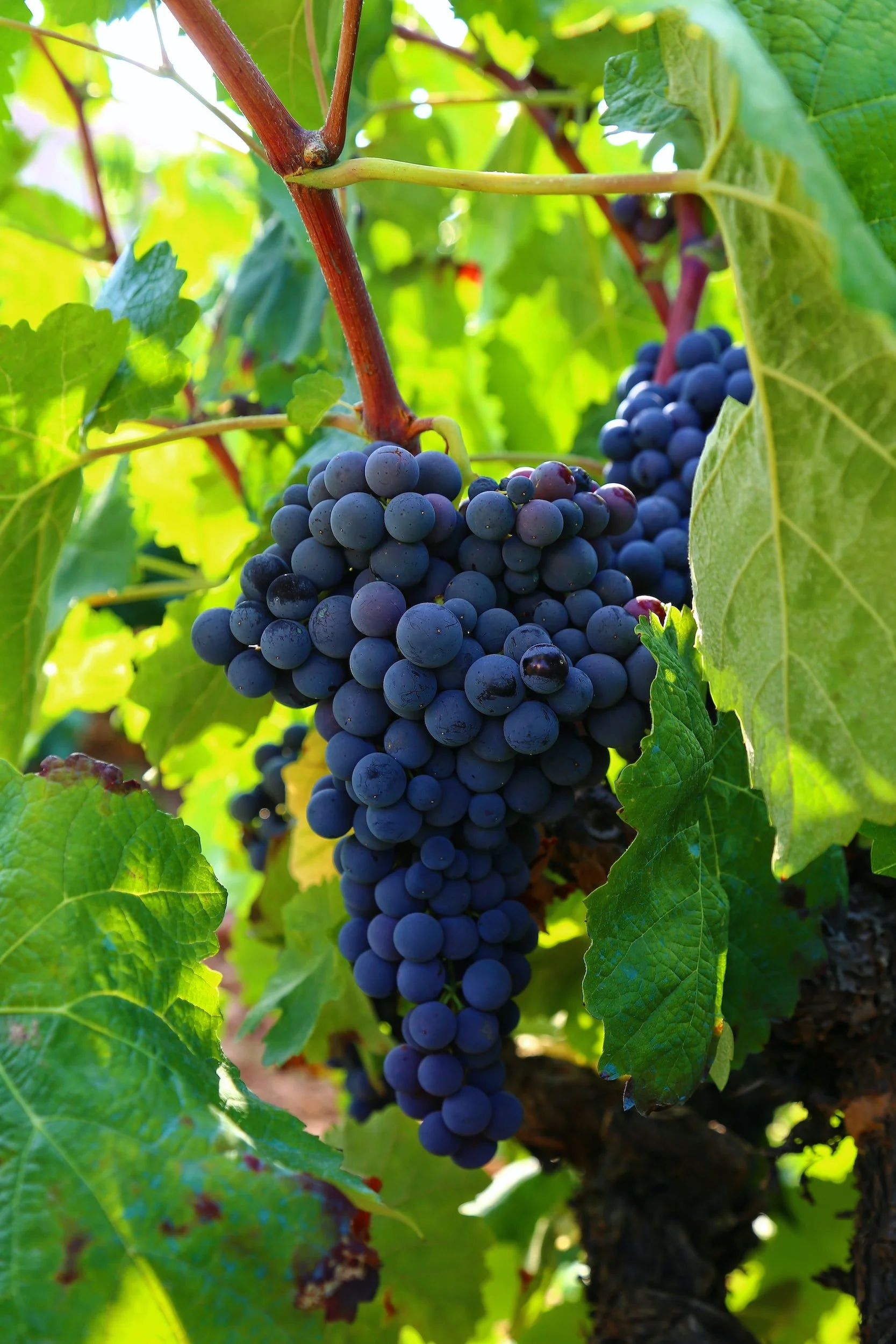
I’d given up on my dream of grapes, allowing those plants the barest of care and space, and in the end, they surprised me.
Six years ago, we had a trellis put on our deck. It was, at the time, a symbol of a future I wished to exist, not one that I actually lived. I had visions of cozy chairs shaded by some sort of well-maintained creeping vine, afternoons spent reading books and chatting, evenings with twinkle lights and deep conversations. I think, when it was built, I had two four year olds and a six year old, and life did not accommodate books, chatting, or deep conversations. That said, we could manage twinkle lights.
The vines, however, were even trickier. As first, I thought wisteria. So pretty, so fragrant! Until a gardener friend of mine indicated gently that our laissez faire style probably wasn’t up to the intense pruning we might need. So we planted hops. It seemed hip, interesting. And easy, right?
Apparently wrong. They died pretty much immediately and I still have no idea why.
So we decided to try grapes. They tend to do ok in our dry summers (even when I forget to water them) and I figured third time’s the charm, right?
We ordered and carefully planted the vines, and worked really, really hard to keep them alive. That first year, anyway. But they didn’t sprout leaves, and didn’t grow and after two years of trying, we gave up. Forrest built a raised bed around them and tried not to jostle them too much but we planted kale and lettuce and some flowers and gave up on the idea of a leafy canopy. It just wasn’t to be.
The next year, we just ignored them. A series of thin brown sticks poking up, surrounded by all the other plants that at least had the decency to either grow or die already. And we put a greenhouse on the area of the deck covered by the trellis. A “she-shed” full of comfy chairs and cozy blankets. Of course, it leaked and got cold and kind of sucked and I just gave up on the deck. Nothing was working.
But then, two years ago, the vines started growing leaves. And, well, vining a little bit. Working their way up the deck supports and railings, completely fruitless, but alive, at least. I’d been burned before. We watered and planted the beds as usual. And last year, we got our first grapes. Not many, and not large, but delicious and tangy and bearing the unusual flavor that homegrown produce always does. (Is it the compost? The water? The fact that my dogs definitely pee on the ground around them?)
This year, for our 15th anniversary, Forrest and I moved the greenhouse out into the yard to be a real greenhouse. (A joint project which conveniently tested all of our hard-earned communication skills from these last 15 years). And we bought a cozy outdoor couch for under the trellis. The vines haven’t reached the top yet, but a beige sun shade is doing its work and I have high hopes for next year.
We’ve reached the stage of life with reading books and chatting and conversations and kids who decided to name that little nook “The Grotto” while we sit out there and I hear every little grievance they have about each other. Tomorrow, we’ve got to harvest those grapes. Lots of them! Still small, and still so delicious.
I’d given up on my dream of grapes, allowing those plants the barest of care and space, and in the end, they surprised me. More than surprised, they’ve delighted me. We’ll harvest this weekend and close up our outdoor spaces and look forward to next year, when maybe, maybe, that leafy canopy will finally be here.
Smoke and Ashes
We don’t know what will come - drought, floods, fires? But I know that a community that is used to giving and receiving support will be better off whatever comes.
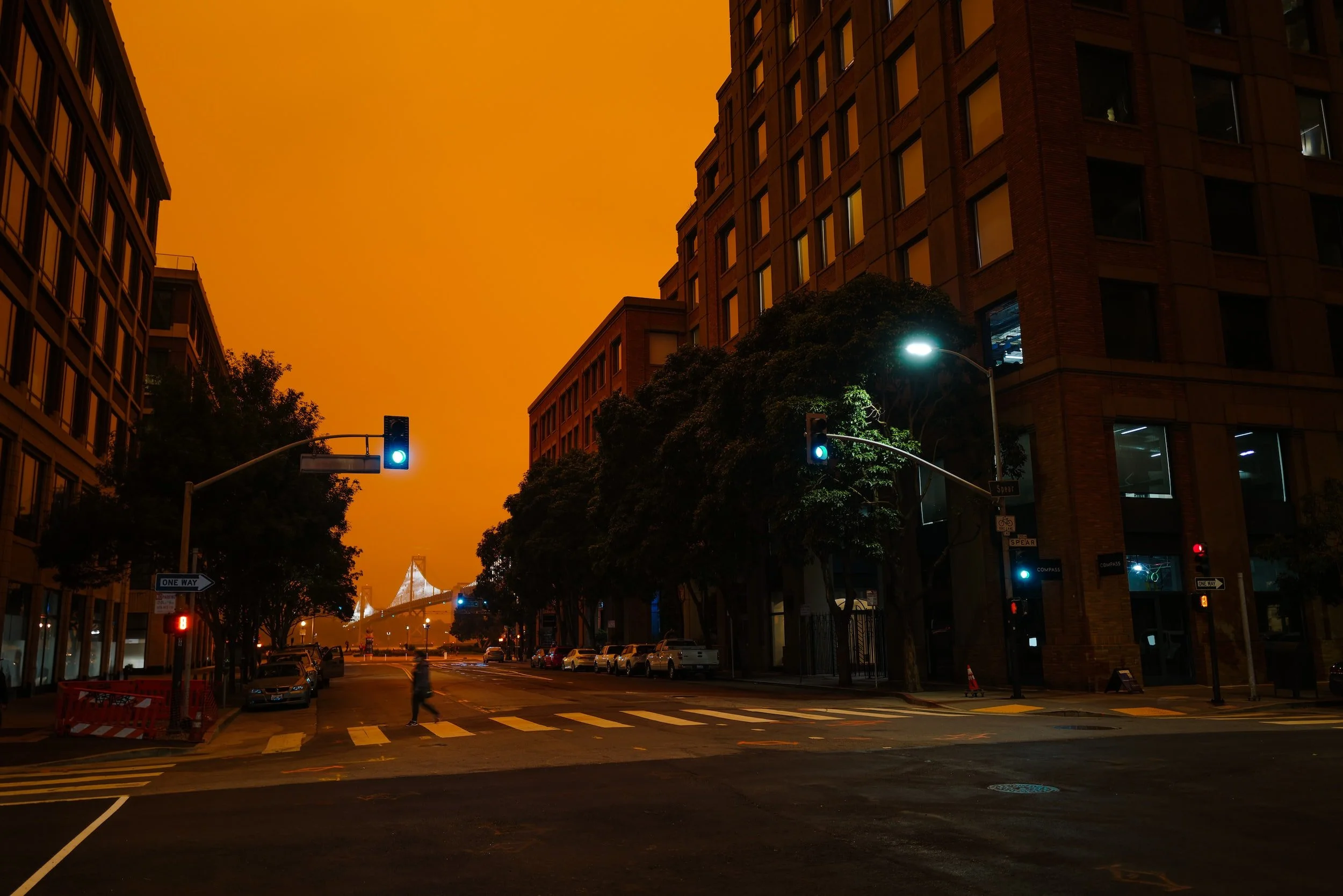
It’s smoke season in Washington, when the hot summer has baked our grass and forests and brushlands for months and the slightest spark can set everything ablaze. In the west, where we live, we’re mostly sheltered from fire risk because of the months of rain that fill our rivers and lakes and reservoirs. But the smoke from the east, and south, and sometimes north has a habit of coming down and parking over us for days, if not weeks, on end.
Before moving out here, I never knew that the weather forecast could just say “Smoke". Now, our kids know how to check the air quality, that they have to stay inside until it’s clear, and that the windows stay closed until the weatherman says we can open them again. Smoke was one of the main reasons we got a heat pump last year - it gets awfully hot and stuffy on day 5 of breathing recycled air.
When we moved to Washington 16 years ago, it wasn’t like this. I remember heat waves, and of course the occasional word about wildfires out west, but my life wasn’t affected, not in the least. But a decade of drought takes its toll. Things are changing. And I’m scared.
I’m scared that I’ll look back at this blog and think, “5 days of smoke? Ha! Try 3 months!”
I’m scared that we’ll someday have to evacuate.
I’m scared that my kids will grow up in a world where they can’t have campfires and grills and fireworks because the risk is just too high.
I believe in the resiliency of the human spirit, which is why I tend not to get too overwhelmed by the big threats of our time. No point in worrying, just do the work and together we’ll figure it out. And we have. Our house now has an air filter and our power company is strategically shutting off powerlines to prevent fire risk and we know how to check the air quality and when it is and isn’t safe to be outside.
But I...don’t want to adapt. I don’t want to look up in the sky and see a red sun and feel a scratchy throat and worry what parts of their lives my kids will have to cut off to simply survive. Beyond that, I know that it could be worse. In Pakistan, floods have created a new lake where houses once stood. We’ve watched Texas freeze over and rivers dry up in France and Australia burn.
Some moments it all feels so overwhelming, so I do everything not to think about the big problems. Let me stress about whether the tomatoes are growing or if my kid’s coat will fit them again this year or if the car repairs will last until next year or if I need to go car shopping now. Still, the big problems are always there, looming. And if I do manage to forget them, my car windshield, covered in ash, reminds me.
I remember that humans have survived terrible things in the past, and that their resiliency was no less than my own. I remember that worrying never made anything better. I remember that when hard times come (and they always do) the solution never comes from one person, but from a community pulling together, and that the work we do now to build those communities are the exact thing we should be doing.
Community building seems to me a lot like exercise. I don’t know what health challenges I’ll face as I age. It might be cancer, or heart disease, or something degenerative, like MS or ALS. But what I do know is that being healthier will help me to face those things. And I’m not talking about weight here. Muscle strength, cardiovascular health, a diet that makes my body work well, hydration, rest (!) - these are the elements that will give me the best chances of staying well for as long as I can.
Community building is the same. We don’t know what will come - drought, floods, fires? But I know that a community that is used to giving and receiving support will be better off whatever comes. Because three years ago, who would have expected a pandemic? Who would have known that so many would die?
And yet, our communities have made it through. My own touchpoint is through my children’s schools and I can’t even describe the sheer amount of time and thoughtfulness that went into shepherding them through the vicissitudes of the last few years. We had no idea how to do any of the thousand things we had to do for these kids. Until we figured it out. Together.
Yesterday afternoon, I looked outside and saw the blue skies peeking through the clearing clouds. Relief washed over me and I ran around the house opening windows, smiling. I know that more smoke will come. Hopefully not til next year, but maybe next week. Either way, though, we’ll get through it, like we always do. Together.
Pumpkins
One of the things I love best about gardening is that no matter how many times I’ve screwed it up, the garden is always forgiving.
This year’s garden has been a bit of a bust. Ok, worse than that. All the things I planted died because it didn’t get above 50 at night until well into June, and by the time it did, I was too busy with end of school/vacations/birthday festivities to replant. So we finally got around to putting some seeds in the ground in mid-July, which means we have some beautiful beans, cucumbers, and tomatoes that are only two months behind. I’m super bummed.
The nice thing, though, is that a fair amount of what I plant gives me a lot of wiggle room. For all my failures, our potatoes, onions, edamame, swiss chard, and carrots are doing beautifully. Kale and mint are the cockroaches of the gardening world, so I can’t kill them even if I tried (and I have tried…a lot.) Most of all, though our pumpkins put me to shame. Oh, those pumpkins. We don’t let them grow in the main garden because they have a habit of spreading all over everything and making weeding and harvesting nearly impossible. So they’re tucked away in the backyard, in a nice little bed that used to be a compost pile before the dogs came along. I say they’re tucked away, but what I mean is that we plant them all in that little bed and then they take over about half of the girls’ garden. That’s ok. By the end of the summer, the girls are bored of planting anyway so there’s room to spare.
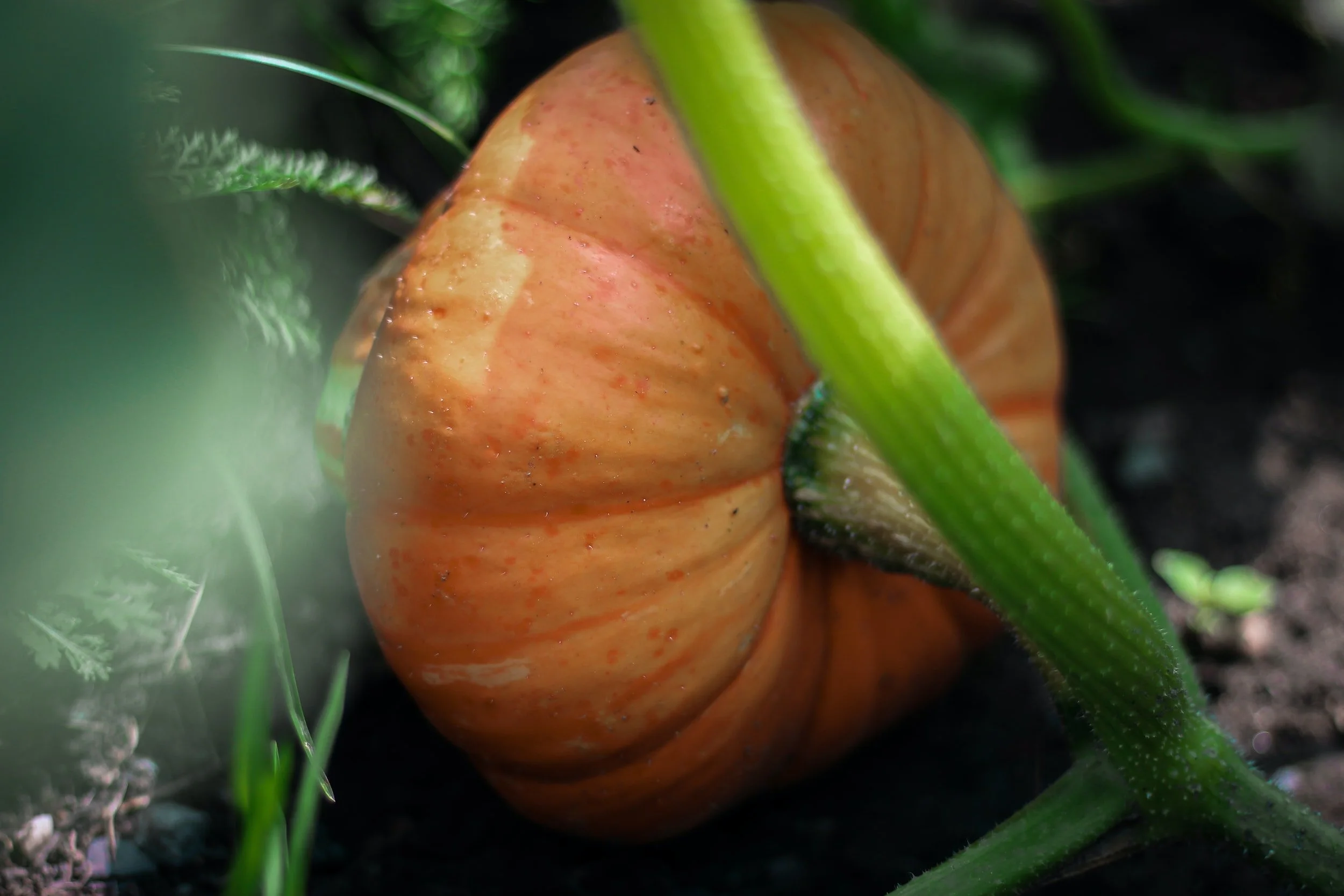
But pumpkins are sneaky. They seem to take forever, doing not very much, and then, during the dog days of summer, when it’s too hot to do anything, let alone garden, they unfurl by leaps and bounds until you notice them one day and wonder if maybe they’re going to take over the house next. My daughter always chooses to water them because one of the nicer chores on offer, so I really don’t notice them until they’ve gone full Cinderella.
Even then, my pumpkins look like a giant carpet of broad, flat leaves. Not until I’m right up on them do I see the green squashes beneath. And then I realize, every year like clockwork, “Crap. We have like 20 pumpkins.” Even if you like cooking with pumpkin (which I do) that’s a lot of pumpkin to process. Even if you give away half to the kids to decorate with or leave out for neighbors, that’s a lot of pumpkin.
And usually, because we’re so conscientious and the weather isn’t a terrible rain-soaked monstrosity, the pumpkins start to come ripe in August. So, unless I’m unusually good at storing them (I’m not) they rot by the time we actually need pumpkins in October, so we end up buying more.
But this year, the year when everything failed and we just kept replanting and then we just gave up on some things, one by one, those pumpkins are still green in September. They’re just starting to think about turning. Right on track for a perfect October harvest, with pumpkin bread and pumpkin soup and jack o lanterns and, best of all, pumpkin seeds by the handful.
One of the things I love best about gardening is that no matter how many times I’ve screwed it up, the garden is always forgiving. Yeah, there’s no tomatoes this year. But usually, I’m scrambling to use those. And the few cucumbers we’ve gotten were from the girls, who got a couple plants from some teachers at school, so those appeared as if by magic to me. But even in a bad year, there’s never nothing. Often, the things that thrive most in the harder years are the plants that I never would have expected. They were just waiting for the right conditions all along.

Time Confetti
Too many hours inside this head of mine and I realize that I am terrible, everything I write is terrible and do I even know how to make a grammatically correct sentence anymore?
I’m returning back to book four after a month of jumping in and out and frankly, even though I wrote it, it’s like I’m picking up a half finished novel that I set down sometime last year. As a parent/author/friend/wife/homeowner, my life these last few months has been an endless stream of fifteen minute increments punctuated by interruptions. Not just the kids, either. The dogs, a delivery, a new neighbor coming to say hi. None of it’s bad, but it’s also not conducive to a plot that makes any sense.
A friend of mine calls it “time confetti”. Lots of time, as long as you don’t mind it being broken up into a thousand little pieces. I call it the creativity killer. Just enough time to feel like I should write something, but not enough to immerse myself in the task. And definitely not enough to do it well.
Some days I wish that I could put myself in a little bubble, one where there are no garbage trucks making a racket or cats helpfully coughing up a hairball at my feet. And still, the vibrancy that surrounds me is what keeps me sane. Because too many hours inside this head of mine and I realize that I am terrible, everything I write is terrible and do I even know how to make a grammatically correct sentence anymore? It’s like when you say the word “foot” too many times and it feels like it’s not a word anymore. Except with my entire identity.
I guess some people, when left alone in their own head, come to a grand sense of self-importance. Absent external feedback, they come to believe that only they know how life, the universe and everything works. And the outside world acts as a humbling influence, reminding them that they are but a small part of an expansive universe, that in the end, doesn’t particularly notice them or their grand ideas. So, I guess the cat puke is pretty important to bring them back down to earth.
Me, on the other hand, I need reminding of how important and essential I am. There have been a million writers, poets and artists who could outshine my little flame any day of the week, But there’ s only one person here to hug my hurt child, reach out to my lonely friend, and yes, clean up the cat puke. The words I put on the page are important, but my identity doesn’t sit in those words. I am the sum total of all the things I do, both grand and mundane.
I’ve spent a summer in the mundane. In a thousand small moments. And now that there is time, I feel my soul expanding to fill it, stretching out like a cat in the sun. Basking the in luxury of both beginning and finishing my thoughts. The luxury of writing something, and then staring out the window, and then rewriting it, all in one go!
But don’t worry, I’m sure I’ll still be cleaning up a hairball at some point today.

Behind the Curtain
As my kids age, that understanding has extended from their generally well-meaning if flawed parents to the idea that larger systems are made up of all types of people - responsible and incompetent, giving and selfish, wise and rash.
There’s a new season of Bluey on Disney+ and our family has been in heaven. (If you haven’t watched Bluey, you should check it out. It’s a kids show, but it’s so so good). The last episode has the father telling a story from his childhood and his kids ask, in horror, “Didn’t you have bike helmets?” His response sounds so familiar in our house, “Nah, man, it was the 80s. Things were WILD.”
My kids think that we were raised in some Mad Max ThunderDome and between Forrest’s farm upbringing and the slightly feral neighborhood I grew up in, they’re not all wrong. I like to think we tell them these stories so they have a little gratitude. But it’s also fun to shock them. I think the most difficult thing to believe is that their beloved grandparents were just plain parents back then, and young ones at that. Not every decision was easy or correct, and as the Bluey episode said, “It was the 80s. Mums were allowed to be mean.” I nodded. Those mums never got lectured at for putting us in time out.
It’s nice to realize in middle age that all of our parents were figuring it out as they went along, making the best decisions they could with the information they had at the time. I like to think that Forrest and I give our kids a look behind the curtain earlier than most - showing them that all people make mistakes, that it’s ok to be wrong and apologize, and that we’re learning every day too. But as my kids age, that understanding has extended from their generally well-meaning if flawed parents to the idea that larger systems are made up of all types of people - responsible and incompetent, giving and selfish, wise and rash. And not all of them are learning every day.
That, combined with the low level of civil disobedience that we nurture in our kids, sometimes puts them in direct conflict with the seemingly inane rules that make up the modern middle school. Vandalism leads to new rules about bathrooms. Classroom time requirements make for crowded halls and short breaks. Fears about school shootings mean every door is locked, every single time. And my scientifically minded child brings her own understanding of statistics to bear. She’s frustrated.
I remind myself that this is as it should be. Young people’s frustrations with the world lead to change. When I was young, those frustrations let me to be a small part of creating a different world for my daughters. I still feel passionately and I still work to make those injustices right.
Just yesterday, a friend and I were talking about her summer job. She’d led a teen girls’ camp that spent a week doing trail maintenance as a service project. And as you might expect, a group of women doing manual labor in the woods led to more than a few comments. But this friend, younger and fiercer than me, made sure to push back on every single comment. Exhausting, perhaps, but the modeling for those teens is something that we could only have dreamed of in the 90s. It just didn’t exist.
But it does now. Because our parents taught us that we were valuable, worthy of dignity, and most of all, that fighting for that dignity isn’t unseemly or aggressive. It is noble. And now we get to figure out what that fight looks like in our time.
I spend a lot of my time working with the PTA at my kids’ school. It’s a big commitment. It sometimes feels exhausting or futile. But a few weeks ago, as I was blathering on about getting some sign printed or some event set up, that same middle school daughter said, “You know, Mom, watching you do all this PTA stuff makes me realize that even grown-ups are just making it up as you go along. And it makes me feel better when I feel like I’m never going to know how to be an adult. Because neither do you!” Then she laughed hysterically while I felt my heart grow three sizes that day.
Because my kids are surrounded by systems and institutions that are flawed. And those flaws can seem set in stone. The Grown-ups Have Spoken. But knowing that those grown-ups are just, well, people, gives my kids both compassion for the people in them also hope that maybe those systems can continue to grow and change to meet the world we live in.
I don’t know what the future holds. I wonder if my grandchildren will say, “The 2010s were WILD.” But I hope they know that whatever challenges come their way, they are just as equipped as anyone else to meet them.
Summer Memories
There’s a lot of pressure these days to make summers really, really special for our kids. I constantly see that refrain, “You only get 18 of them!” And it’s so much pressure for perfection.
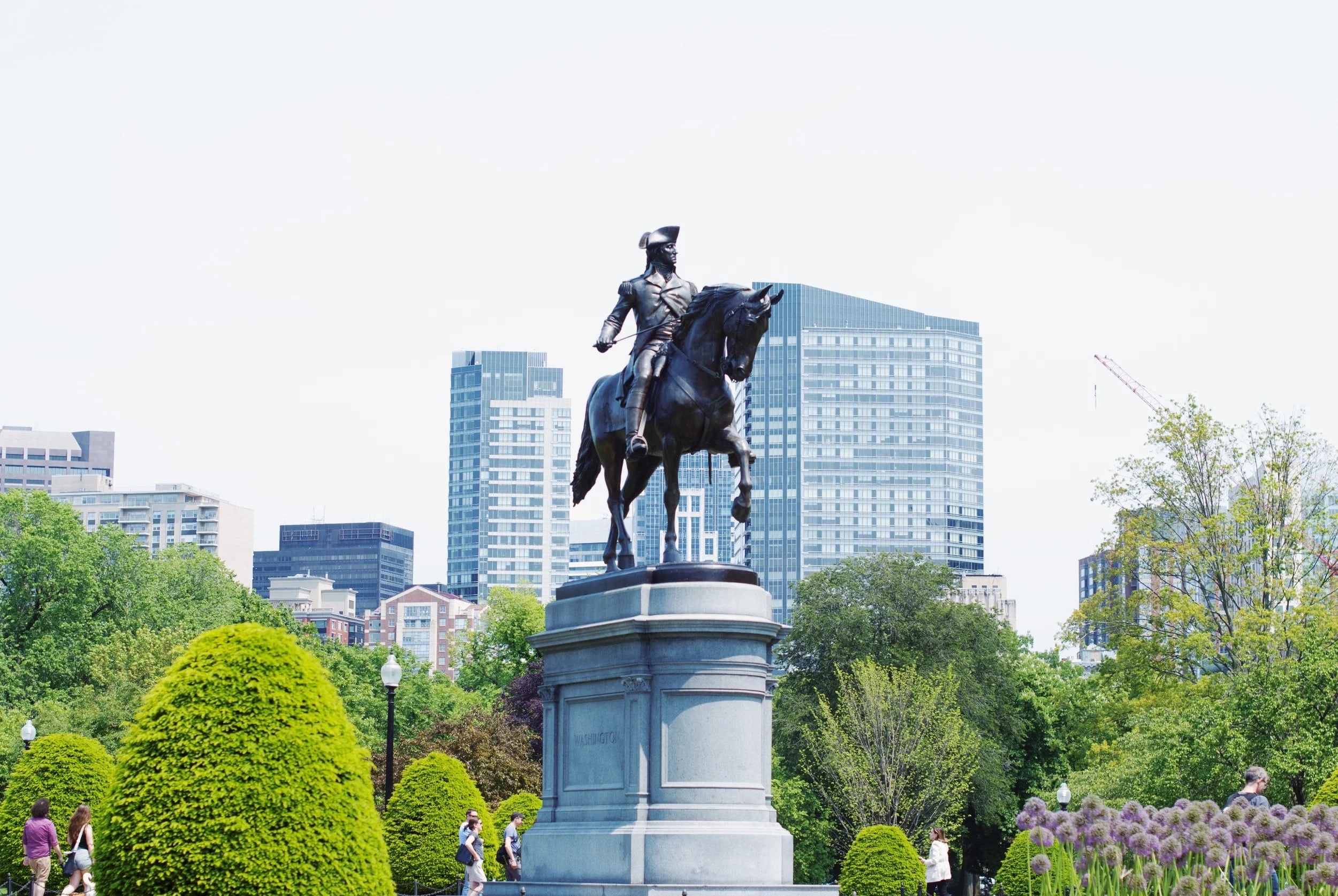
We’ve just returned from a five-stop tour of the northeast, seeing museums, historical sites, parks and rivers and waterfalls, and most importantly, friends and family that we haven’t seen in many years. We’d planned this trip, or something like it, for two summers ago, but flying cross country and traveling so much was out of the question in July 2020.
It was so fun. It was so exhausting. Even with the amazing support of all of our loved ones, by the time we’d made it down to Washington, DC, we were bribing the kids just to get them out the hotel room door. Heck, I was bribing myself there at the end. And now we’re home, our buckets full of love and memories, and with a long, lazy summer set out in front of us.
Except, the twins don’t really do long or lazy. One of them made a list of the things she wanted to do this week.
It had 11 things on it.
It’s already Wednesday.
We’ve only been home for 48 hours.
I love how much energy they have. It certainly helped as we marched them around Boston, through New York subways, up and down hiking trails and then finally along the Mall to the Washington Monument. But today, I want to celebrate a trip well spent by sitting in the shade with a good book and a glass of iced tea.
There’s a lot of pressure these days to make summers really, really special for our kids. I constantly see that refrain, “You only get 18 of them!” And it’s so much pressure for perfection. We should be doing museums, and parks, and pools, and crafts. We should spend the long hours doing all the things we feel like we don’t have time for during the school year.
But we just had a trip like that. Museums. And Parks. And Pools. (Not so many crafts, to be fair.) And in the end, the thing my kids enjoyed the most?
The People.
That’s what they cared about. All the Aunties and Uncles and Cousins who doted on them and listened to them and made them feel like there is a whole world of people out there who just…like them. It’s kind of crazy, right? The idea that all across this country, there are people who like them for who they are. Who think fondly of them and look forward to seeing them and miss them when they’re gone. I think knowing that might just shape my kids’ childhood more than any Insta-worthy destination would.
These kiddos have grown up in a world full of big uncertainties. They know that the whole world can change in the span of a week. Isn’t it a miracle that the one thing that they are never uncertain about is that there is a whole crowd of people who are rooting for them?
I care a lot about community - finding it, building it, sustaining it. But I didn’t realize how much it mattered until I realized sometime around 2016 that there were no grownups making everything work out. There was no arc of history naturally bending, a slide for us to blissfully ride down. We are our own heroes. And that work looks boring, and annoying, and often exhausting. But as tired as I am, when it comes to the lives of these girls and all the kids I am blessed to know, I find the energy to do whatever it takes so that they know that there is a whole crowd of people who are rooting for them.
Verve
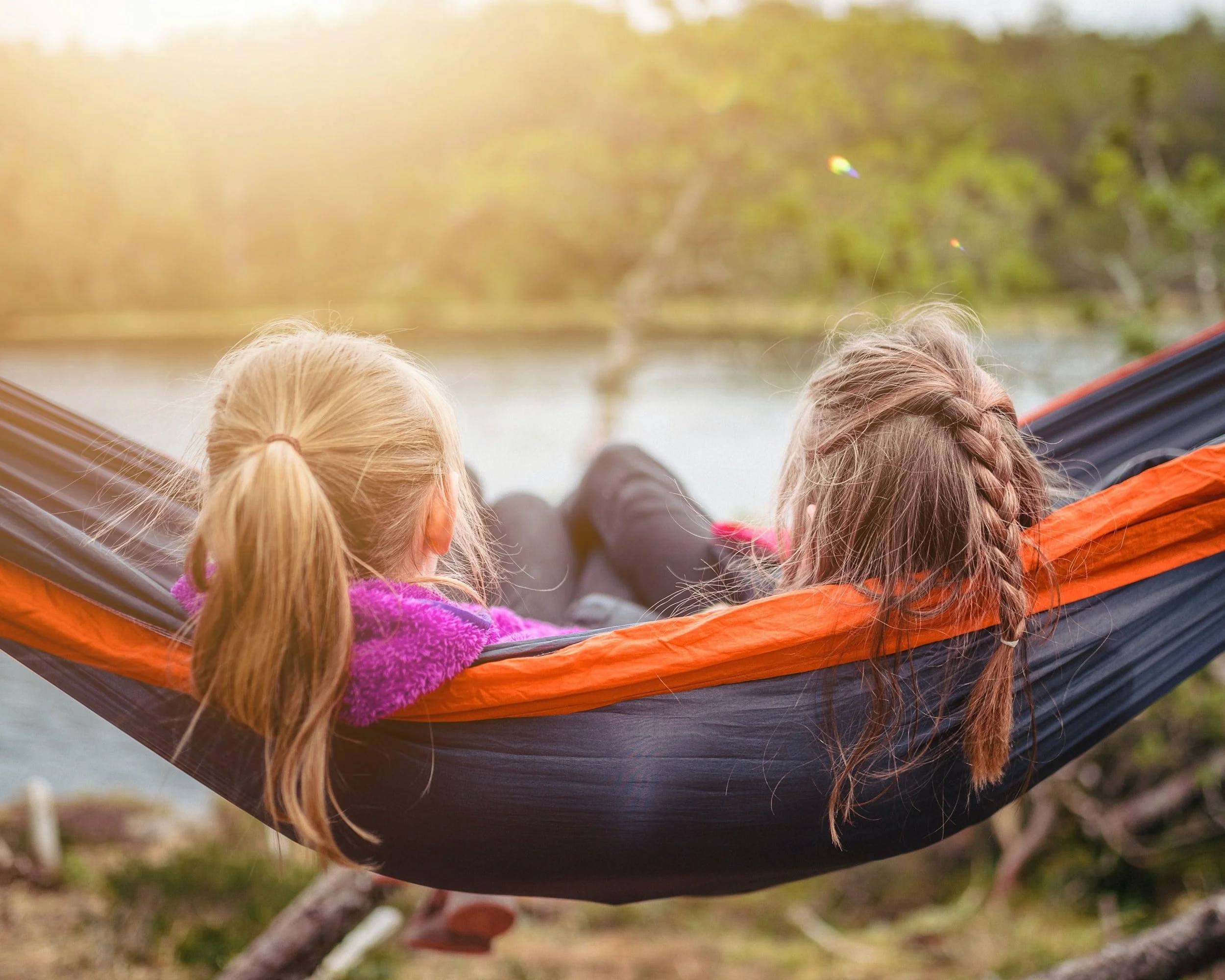
When I look back on my own ten-year-old self, though, I don’t remember the confidence and verve. I remember having to stand on the precipice of a world that I had no idea how to navigate.
My house is full of the chattering of ten year olds today, and my writing is being interrupted every few minutes with the same internal question:
“Was that a happy shriek? Or is someone literally dying right now?”
It’s hard to tell. The combination of joy and excitement and energy so often combine to create disaster, especially in a house with cartwheels and cooking and crafts, often at the same time. I just asked them to give me a code word to yell if they are really truly hurt, and of course they started yelling it immediately.
So much for that plan.
There is something fiercely alive about this particular stage of life. It’s like these kids hearts are on fire - ready to take on the world, able to navigate the basics, but not yet aware enough to worry about image and propriety and obligation. There’s a wholeness there that I feel like I’ve been working to return to my whole life..
But I’m not the first to notice this aliveness. There are a million books - treasured classics - that we return to time and again. Anne of Green Gables, Charlie and the Chocolate Factory, From the MIxed Up Files of Basil E. Frankweiler, The Penderwicks. All of them feature kids in these in-between years, because thier combination of competence and innocence make for such amazing fodder.
When I look back on my own ten-year-old self, though, I don’t remember the confidence and verve. I remember having to stand on the precipice of a world that I had no idea how to navigate. Middle school looming, puberty right there, higher expectations, and, for me. a profound sense of loneliness, even in a crowd. I thought I was the only one who didn’t know what the heck she was doing. Of course, now I realize there was no way that that was true, and I think we can all agree that there’s a lot less of the “throw them into the deep end” philosophy these days, but I wonder if maybe some of that aliveness is there because of the precipice that looms.
I see that tendency in myself as an adult. Everything is normal, boring, exhausting, until some milestone creeps up on me - my baby is going to kindergarten, we’ve been married 15 years, the big 40 is on the doorstep. And then I decide we’re going to make a thousand memories, stop and smell the roses, and make sure to take pictures for the scrapbooks all at once.
Or, the other, terrible kinds of milestones: a death, and illness, the quiet resignation of the end of a dream. The aliveness in those moments feels like a curse. The realization that this chapter is over and other is beginning, whether we like it or not. In this case, we’ve fallen off the precipice. It’s here, and we’re falling, and there’s nothing to do but let the wind pass over us and go where we’re taken.
Perhaps the ear-splitting ten year old intensity I am currently experiencing is a combination of the two. The milestones coming up and the chapters that are rapidly closing. Either way, just being in the same house is like a contact high. I find myself feeling a little less grumpy, a little more joyful, and mostly just honored to have the gift of these kids in my life.
Even if I’m getting a little bit of a headache.
Bees
Those bees take what would normally be considered weeds, the product of my failure to keep a proper garden and turn it into nourishment.
We’re in the middle of the coldest, wettest spring in as long as I can remember. Every day we wake up and it’s the same 50 degrees that it has been for the past four months. And all of our late spring vegetables have sprouted…sputtered…and died. We’ll spend June replanting if Seattle can ever shake off the cloud cover that definitely should be gone by now. (Don’t tell anyone, but generally, from June to October, our skies are clear, blue, and beautiful.)
One springtime tradition that hasn’t been interrupted is the return of the bees. Our yard is, how do you say, unkempt, so there are a lot of wildflowers and flowering bushes that we leave a bit wild so there’s plenty of food for the pollinators. Which means, if it’s not raining, they’re out there. When our rhododendron blooms, you can hear the buzzing long before you see a single fuzzy bug. It’s a bummer for my kids, because there’s this amazing space under the branches, a perfect hideout, but when it’s at its most beautiful, the threat of being stung is a little too close for comfort.
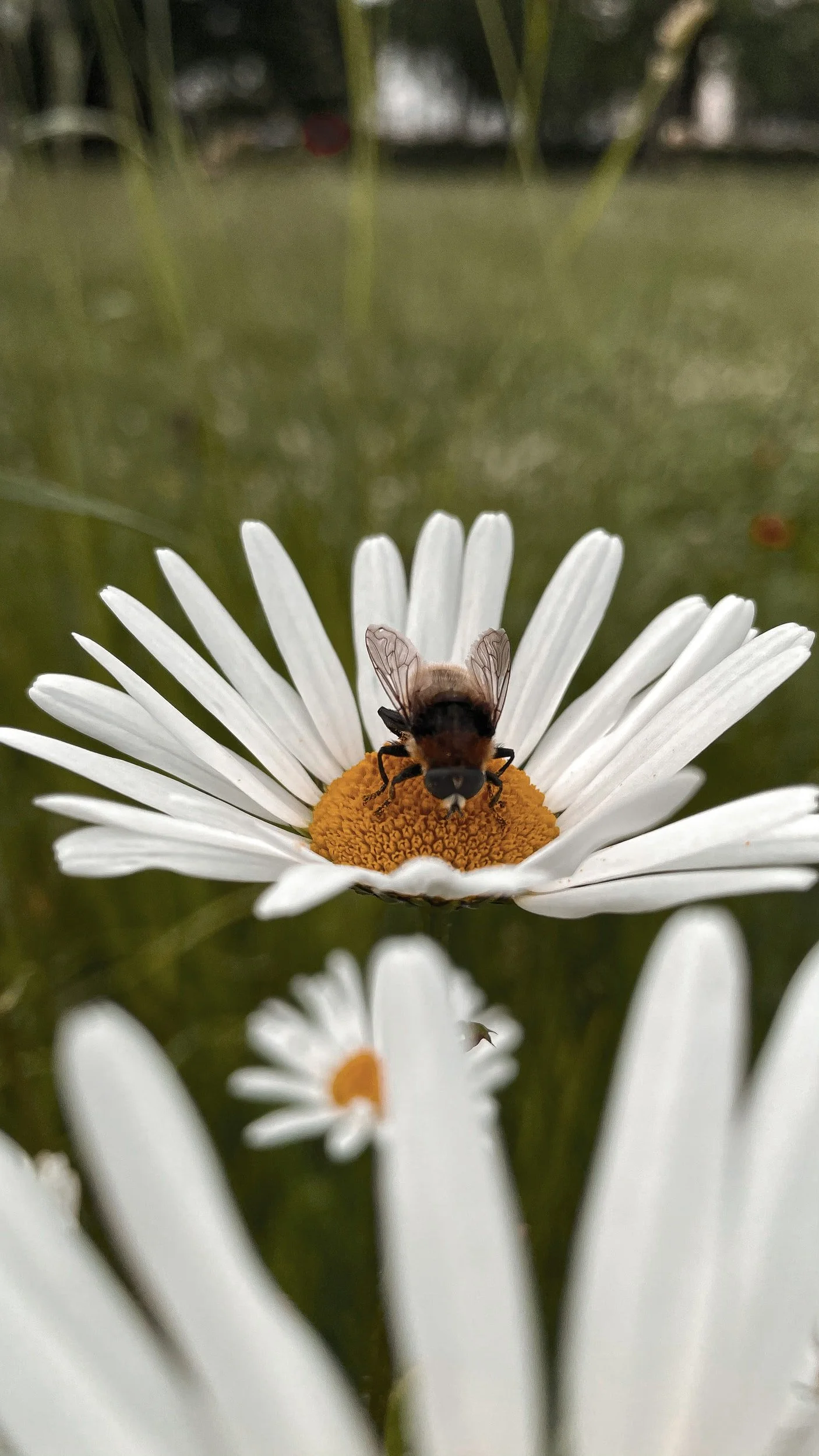
There’s a patch of big, friendly daisies in our front yard that Forrest refuses to mow over. I’m not sure how it came to be there, but each year, that amorphous patch grows bigger and bigger and he just walks around it. Appearances be damned, there are flowers here.
I think those daisies are a little bit magic too. Each morning when I yank my cranky kids out the door to school, we stop in front of them to get recombobulated: put the water bottle in the right pocket, where’s my folder?, did you remember your library books? — all the thousand last trips inside to make sure they have what they need.
And in the middle of the cloudy, misty mornings, I stand there, counting to 100 to calm down as they fight and fret and ask me for things that I told them to pack themselves. Right in front of those daisies. And for the last week, I’ve realized, as I try to regain my zen, that each night, a half dozen bees have made their beds there. As we’re leaving, one or two might be just waking up. But mostly, their fluffy bodies remain all curled up, waiting and wishing for summer to come, just like me.
I don’t know how they possibly stay safe right out there in the open, but I looked it up - bees really do sleep in flowers occasionally. And what it is about those daisies that attracts them, I don’t know. Maybe it’s that they know, those flowers are kept sacred until their blooming time is over. And even then, we won’t till that ground for as long as they grow. Maybe it’s that the bees know they belong here. There will be a steady supply of new wildflowers popping up all over our yard. Half of that is carelessness on my part. A few wildflower mixes strewn over the years and now I can’t get rid of the damn things.
But the other half of that is the utter delight I feel when I see and hear the buzzing. Those bees take what would normally be considered weeds, the product of my failure to keep a proper garden and turn it into nourishment. I want to be that kind of busy bee. The one who takes what exists naturally in the world, the ordinary, boring, even irksome things, and thrives on it.
So no, those daisies won’t be getting mown down any time soon.
Appearances be damned, there’s magic here.

Sick and Tired
I realized that a small life full of ordinary joys feeds me much more than the alternative.
Whew. It has been a month. Our family finally got hit with the latest wave of Covid and although it was 100% mild, it feels like two weeks of my life disappeared off the calendar and I am trying to play catch up with all the truly urgent stuff that has piled up. And this writing gig means that when I don’t get to it, the only person I’m letting down is myself. And she’s always the easiest one to make excuses to, right?
I got hit the hardest and certainly the longest in our family, and as I spent day after day barely keeping up and napping for hours, the fear that I would never feel the urge to write or blog again started to creep in. Whenever I’m down, whether that’s sick, or burned out, or simply emotionally exhausted, I worry that I will never get back my oomph. I’ve lost a fair amount of the verve I had in my 20s. I believe I strategically used that youthful energy to survive my early parenting years. It was a choice I would make again, and the loss of that energy feels like less a loss and more of a trade for increased wisdom. But still, the specter of obsolescence, of using up all my ideas and willpower and fire constantly sits on my shoulder.
In part, I believe it’s because I am in the do-it-all stage of my life and, despite all the different ways I’m told that how it has to be, I’m a steadfast refuser to do it all. I will not strive for perfection. I will let myself have a sick day if I am able to. I will not force myself to write for twelve hours a day and then also be a parent and a wife and a friend. I’m going to do the things I must and then do a little bit of all the things I like to and if I fall behind, I fall behind.
But the ageism inside of me worries that I will hit a day when I am no longer able to be thoughtful and vibrant. Maybe I have already hit that day. Maybe my best years are behind me, lost in a haze of diapers and spit up and so many episodes of Dora the Explorer. Maybe I have fallen behind so long ago that I can never catch up to the self I was meant to be.
And maybe that pause, those years, left me on a completely different path than that old self would have run to. That wisdom that I gained led me to veer pretty hard from my youthful dreams. I realized that a small life full of ordinary joys feeds me much more than the alternative. And that when I run on all cylinders, I’m stealing from my future self. I’ve done that, and ended up with ulcers, exhaustion, migraines, anemia. The piper has to be paid, either now or later. And when I pay him now, in all the little breaks that I secretly give myself, the price turns out to be a lot lower. In fact, those breaks are a gift of their own.
Because the urge to write came back this morning. But in the meantime, I got to spend the last two weeks snuggling my kids on the couch, playing video games with them and reading their books out loud and drinking copious cups of tea at the table while we took a small vacation from the school/work/sports treadmill that we are usually on. And I don’t think those weeks were lost. They’re in here somewhere, percolating. Reminding me that changes in plans are not always the worst that can happen. Softening my heart and bringing us all back to those little baby days when all I had to do was exist with my babies and keep them fed and rested.
And that gift - the gift to dip back in time and then jump forward to here - it reminds me that any stage - all seasons - have their unique exhaustions. And my only job is to hold onto the people who bring me back to life when I forget how to find my verve.
Cucumbers
Something about how they grow makes them more refreshing than they have any right to be.
It’s still snowing on and off here in what can only be described as a cruel joke from a climate that gave us 112 degree heat last June but decided to postpone the last frost until (hopefully) April this year. Luckily, we’ve been burned (well, actually frozen) before so we wait until May to put anything out that isn’t hardy enough to handle cold, hail, or torrential downpours.
But with an already short growing season, we decided to start cucumbers inside a few years ago. It’s not super recommended, as cucumbers don’t always like being transplanted, but here, the alternative is to plant them in late May and hope they grow enough to bear fruit before having the harvest cut short by an October frost. So I spent this morning planting cucumbers, pumpkins, and peppers in our seed starter trays.
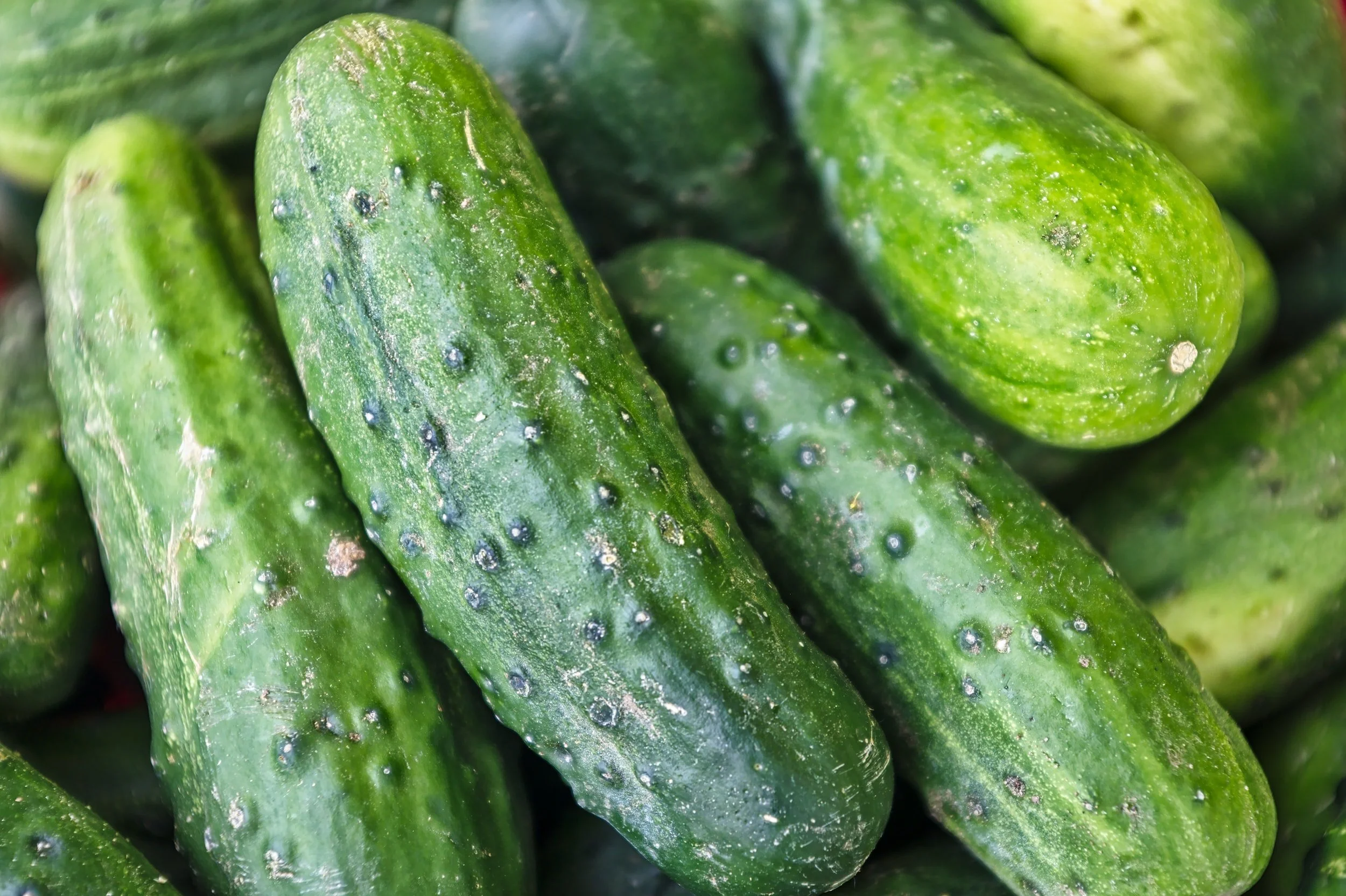
I asked Forrest how many plants he wanted me to start, and he said 150, I think jokingly. But that pretty accurately represents how everyone in our family feels about garden cucumbers. When I began dating Forrest, one of the first things he told me about his family’s farm was how good the cucumbers tasted. On and on and on, he would talk about how much better they were than store cucumbers. I was skeptical at first, but he was right. There is something qualitatively different about a garden cucumber. I read somewhere once that the interior of a growing cucumber is significantly colder than the exterior., making the phrase “cool as a cucumber” literally true. Something about how they grow makes them more refreshing than they have any right to be.
Instead of the requested 150 plants, I seeded 20 plants our main garden and then another 50 for Forrest to do whatever he likes with. I figured if he gets tired of randomly planting cucumbers in every nook and cranny of our yard, we can throw the rest in pots and give them away. It’s time for the rest of the neighborhood to realize the uniquely halcyon joy that we’ve been selfishly keeping to ourselves.
Spring Break Snow
I remember that what I wanted for my kids was a life where they could have choices.
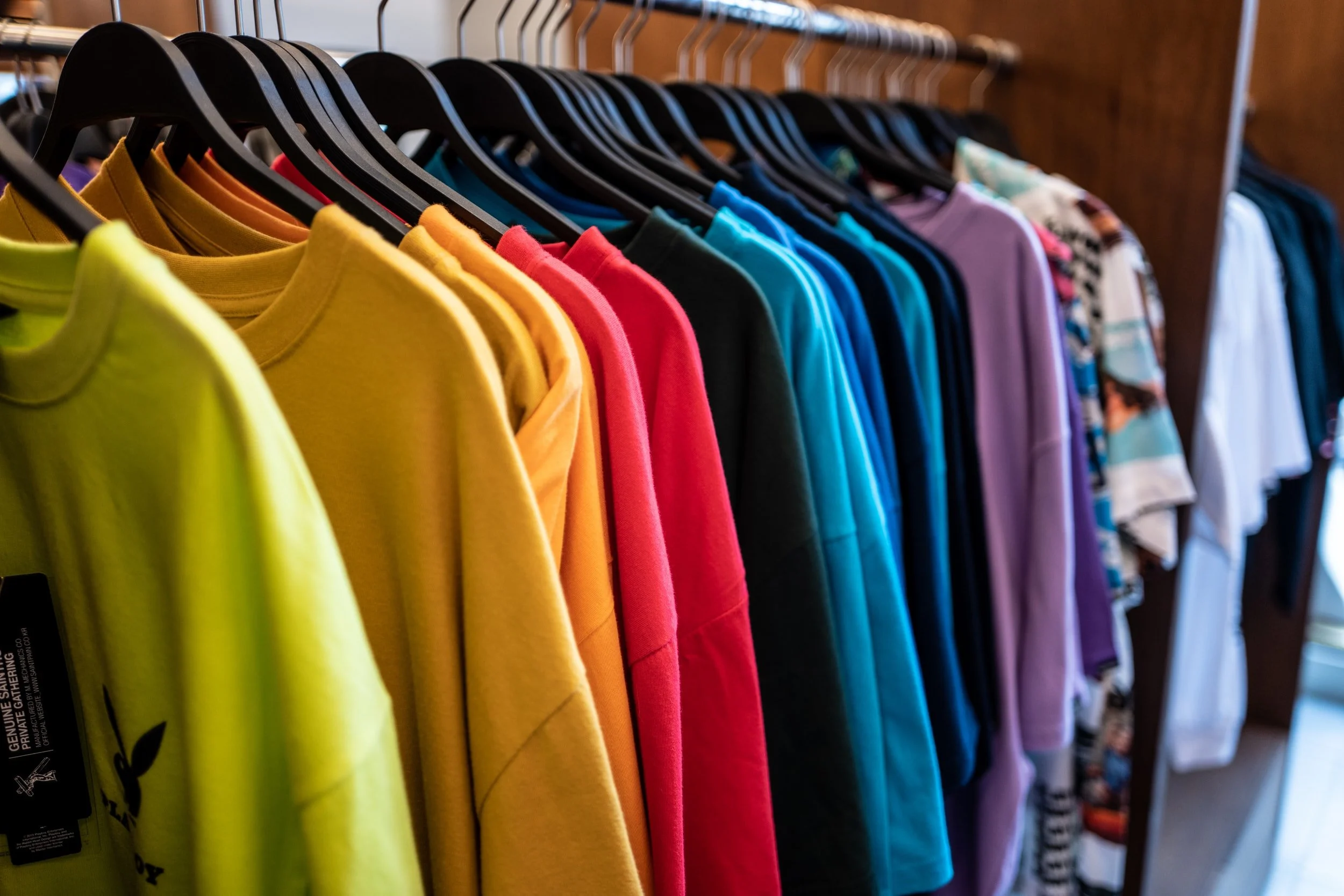
The kids are off from school this week for spring break and, although it was 75 degrees last Thursday, it snowed here today. Not just flurries, either. Two days ago it was hail, and the day before that we had some sort of rain/snow mix. But all that’s ok, because I spent the last two days doing spring clothes shopping for three girls who just won’t stop growing.
I don’t remember my parents having to shop this often to keep me in clothes that fit. Perhaps I was less opinionated and therefore things simply appeared for me to wear. Perhaps there were more hand-me-downs from the many cousins and neighbors. Perhaps my kids, who take after Forrest, are growing much faster than I ever did. Or maybe I’ve just blocked it out.
I suppose it doesn’t matter. Because I am so thankful that it’s no hardship to buy clothes for my kiddos. Well, financially, anyway. Emotionally, it’s two straight days of arguing, nitpicking, and, by the end, pleading with them to just please for the love of God pick out a pair of sandals that fit. There’s a part of me - a very vocal part of me - that gets frustrated at their pickiness, the desire to see so many different options, the rejection of perfectly good clothes because they don’t feel right or fit perfectly.
But then I remember that what I wanted for my kids was a life where they could have choices. The choice to wear clothes that they can run and jump and climb in. The choice to wear styles that I was too shy to wear. The choice to find out what they like for themselves so that they don’t follow blindly after fashion, but rather know who they are and what they like so deep down that peer pressure doesn’t have a chance.
I wish that for myself sometimes. But the other side of that knowing is that my kids immediately become more difficult people. They know what they want, so no, those shoes that pinch their heels aren’t ok. They know who they are, so that frilly, flowery dress that I like so much isn’t going to get much use. And while I find it annoying, I accept that difficulty in them.
So why can’t I accept that difficulty in me? Why do I go out of my way to make sure I never cause an inconvenience to anyone? Why do I wear the shoes in my closet that hurt my feet simply because I can’t seem to admit that I don’t like them that much? Why do I still have pajama pants from 20 years ago when I am perfectly capable of buying new clothes that I actually like?
The other day I was having a conversation with a random person, and like many random people, they told me all the reasons why I was failing at becoming a traditionally published author. She was trying to be helpful, really she was, but she was not coming from a place of expertise or even experience. Afterwards, I cursed myself. Why hadn’t I been more difficult? Why hadn’t I made it uncomfortable? Why hadn’t I been so sure of myself deep down that I verbalized the truth - that I was in no way interested in any critique from a non-expert on a subject that is, at the moment, pretty emotionally charged for me?
I think it’s because I don’t even know where to start saying something like that. But luckily for me, I’ve got three pretty amazing teachers right here in my house. So, even though we’ve got to go shoe shopping tomorrow, I’m going to take a deep breath and maybe learn a thing or two from my very difficult daughters.
Potatoes
All of my kids have carefully avoided the early spring planting, since it’s full of mud and rain and damp, cold hours.
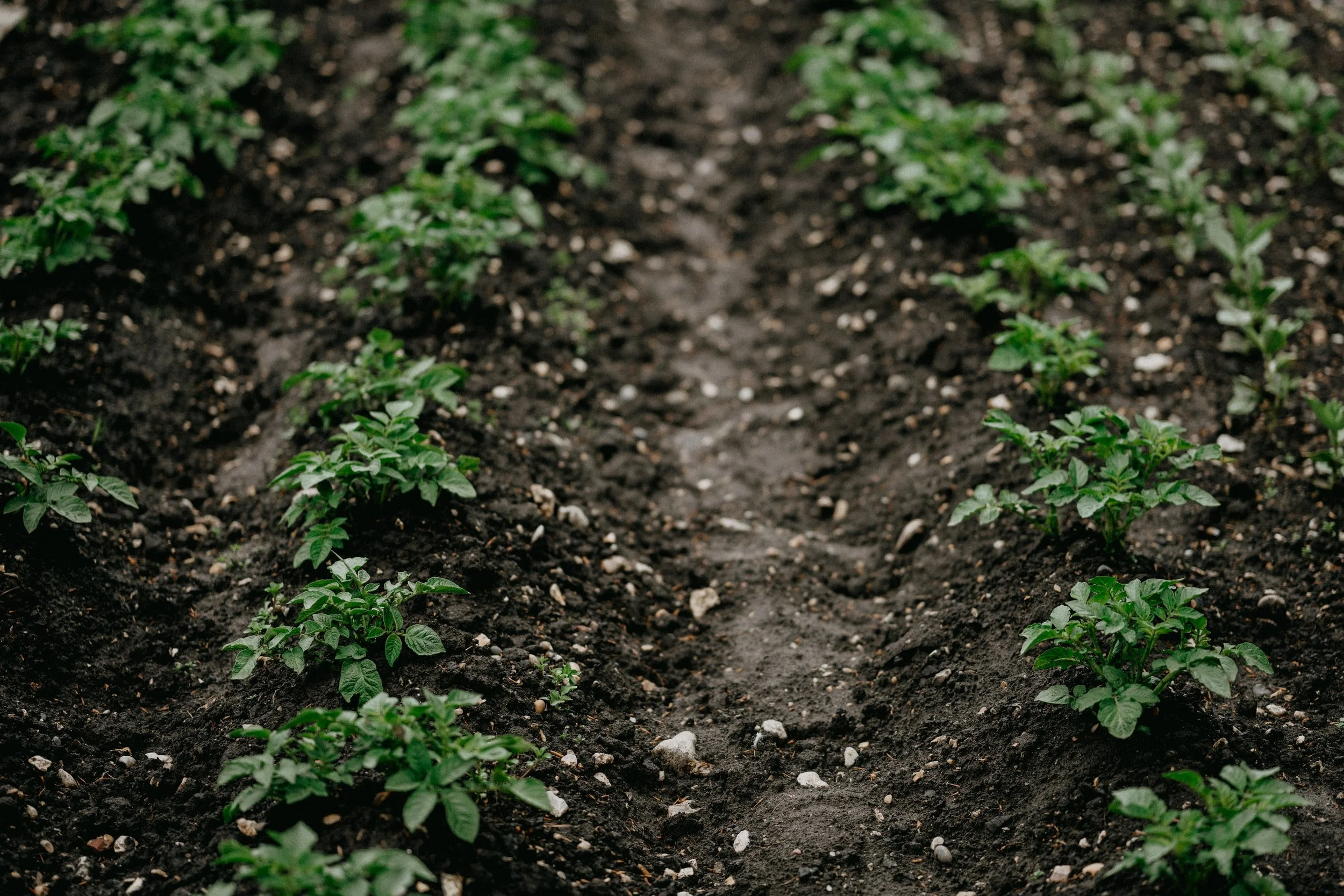
It’s been hard to find time this spring to fit in a solid weekend of gardening, so when swim class was unexpectedly cancelled last night, I took advantage of the sunbreak and the free hour and decided to put in our potatoes. I know I’m supposed to wait a few days after cutting the seed potatoes up, but, like I said, I’m squeezing every moment out of my days right now, so I sat down at the kitchen table to prep.
My usual go to is just to plant the whole potato, but Forrest prefers to cut them into sets, where each potato is cut into three or four pieces, each piece featuring an eye from which the plant will grow. That way, you maximize the number of plants per seed potato. (Like most things gardening related, there’s some (okay, a lot) of debate about how to prep seed potatoes. And like most things Serenity-related, I do what I feel like doing at the time and it usually works out.)
One of my girls sat down to talk to me about her Roblox game while I was working, which is actually a perfect amount of multi-tasking, because having something to draw some attention away from the mind-numbing details of Roblox is conducive to a better listening experience for everyone. After five or so minutes, she emerged from her bubble of video game trivia and noticed what I was doing.
“Ugh,” she said, “Why are you cooking those gross old potatoes?”
‘I’m not, I’m planting them. They’re old because we want them to be ready to grow new plants.”
“Eww, what are those weird things growing out of them?” she pointed to the sprouts.
Here’s where I paused. This child has been surrounded by gardens and growing things her whole life. When she was three, we dug up the front yard. This summer, we’re rototilling half the backyard so she and her sisters will stop planting random plants in my garden. How does she not know how potatoes are grown?
Then I realized that her interaction with the garden never - and I mean never - starts until it gets warm and dry outside. So, she’s very used to setting out starts, weeding, and definitely harvesting. But all of my kids have carefully avoided the early spring planting, since it’s full of mud and rain and damp, cold hours.
Not that I can blame them. The only one in the house who will go anywhere near the compost is Forrest. To me, it’s a magical substance that somehow makes its way into my garden beds each fall. And if you ask him to spend more than a few minutes weeding, he’ll find some large project that definitely needs doing immediately. I guess we each do what we feel like doing at the time and between all of us, it usually works out.
Dark Days
The world feels scary, chaotic, and new. But I could point to a dozen moments in history that felt exactly the same way.
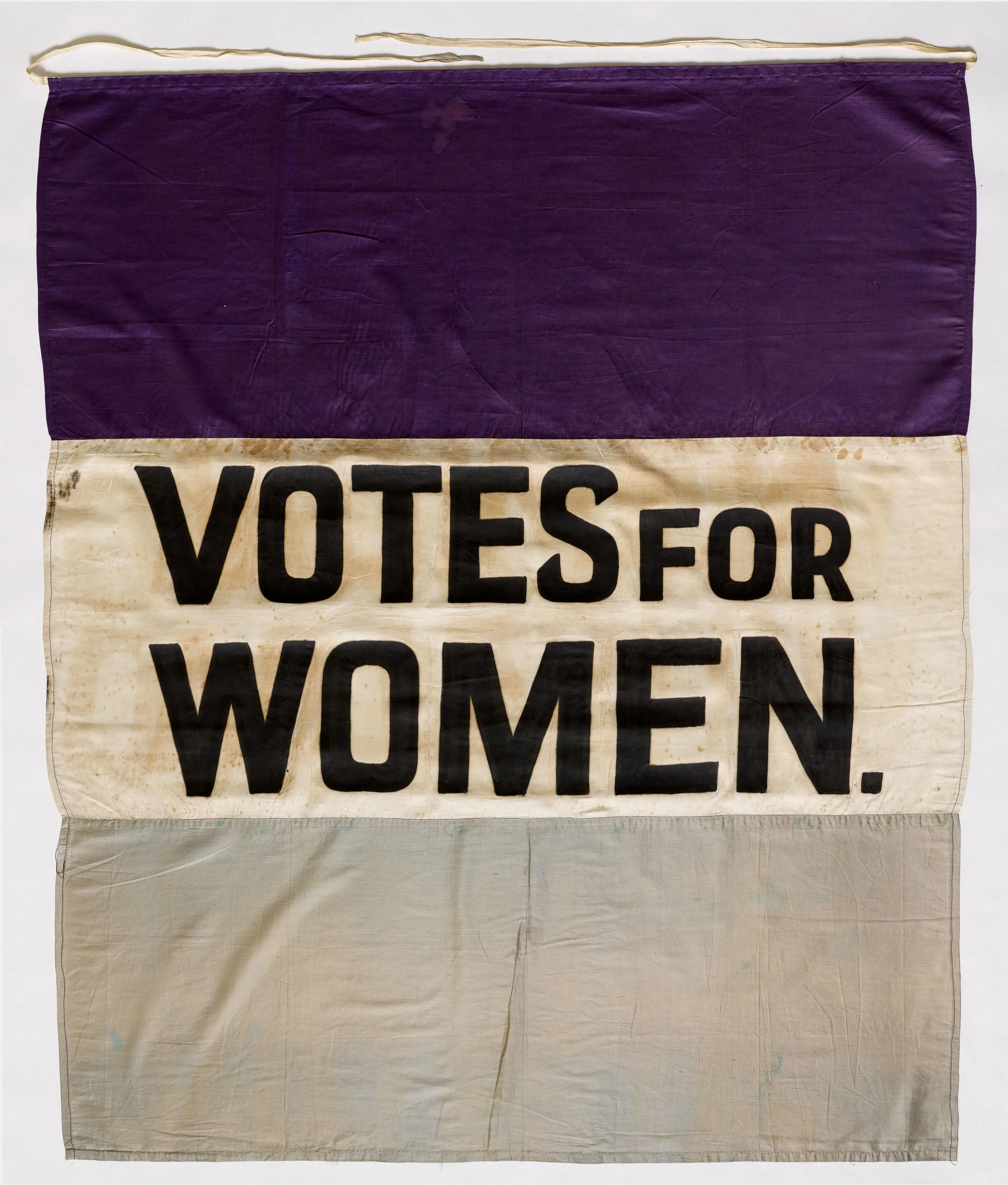
I’m researching for a book set in the 1920s here in America this time, and although the sun is shining, the trees are blooming and spring is here, it’s hard not to get bogged down in how dark our past can be. When I used to think of the roaring 20s, I imagined Speakeasies and flappers. But now that I’m really learning about it, I’m seeing the birth pangs of a dozen groups of people all fighting to be free. Not just the women’s suffrage movement or the Harlem Renaissance, which I had at least heard of. But free speech advocates fighting to be allowed to speak out against war, union members demanding to be given safety protections, and people fighting for better health care for women and children.
And, like any struggle, there were those who felt those things were too big of an ask. Now, it feels unthinkable to be imprisoned for speaking out against a war, but many, many people were. The idea that voting for women was a step too far is ludicrous, but it was a fight that took a long, long time. And it was not until yesterday that an anti-lynching law was passed at the federal level. A century too late, you might say.
It makes for depressing reading. But, for me, it also gives context to our own time. Just like now, the technological changes of the previous 50 years had completely reworked society. Imagine being born in 1870, a world of horses and farms, of civil war era cannons and Little House on the Prairie. And then turning 50 in 1920, the roads full of cars, a war fought with planes and chemical weapons and submarines, and the entire country becoming urbanized. Of course people’s heads were spinning.
But the question is what we do when the world is changing so fast we can’t keep track of it? Do we harden ourselves, deciding what was in the past was superior, only seeing the negative in the changes? Or do we look deeper, seeing that the values that have sustained us for millennia - curiosity, self-control, and integrity - are equally relevant no matter how big the changes may be?
Forrest and I often argue about how much to hold people accountable for their behavior. He’s one to say that you have to give people a break, look at the context around them, see how their behavior might make sense. I’m a bit more Pentacostal in my outlook. We have always had sin around us and it has always been hard to step outside our own narrow viewpoints to act with compassion and forbearance. And I think the only way people ever change is to trust them to be adults and hold them to high standards.
The truth is probably in the middle. The world feels scary, chaotic, and new. But I could point to a dozen moments in history that felt exactly the same way. Human beings have always faced challenges and overcome them, sooner or later. The depressing reading I’ve been doing is, in the end, quite inspiring. The world 100 years ago felt much the same. But just like them, if we are willing to extend each other the fierce kindness of justice, we’ll see that this suffering is simply a sign of better days to come.
Kale
It is the plant that will not die.
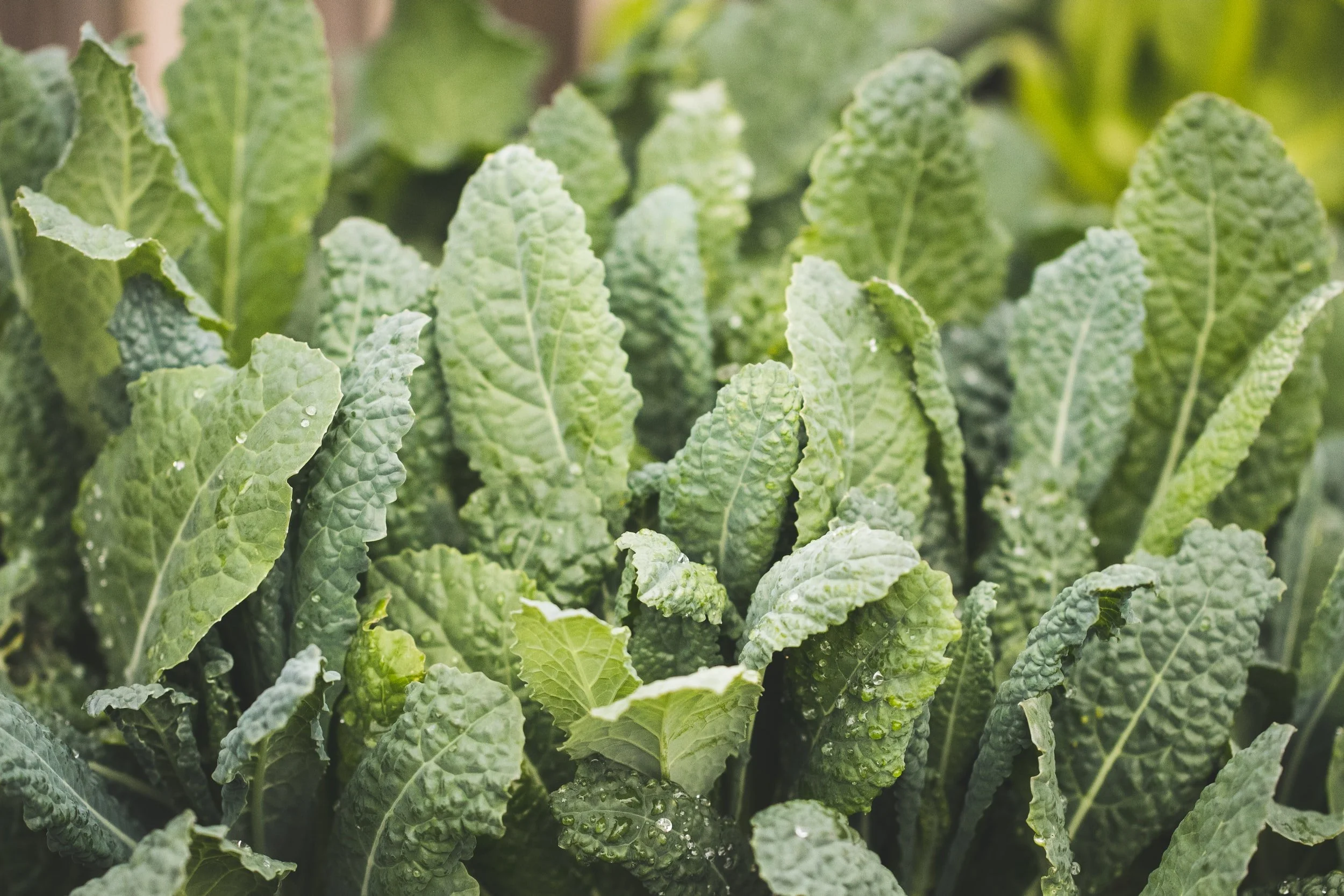
I hate kale. I don’t particularly mind it as a food, although I will always choose chard as a tastier option, but I hate growing it. Mostly because I don’t have to grow it. It just grows.
Twelve years ago, I planted a mesclun mix that included a variety of kale. At the time, I had a baby, so I failed t pick it before it went to seed. (I don’t have any babies any more and I still fail at this - more on the defiled tomato beds later.) And from that one year, that one mistake, kale has invaded my entire property.
The original garden bed is now purely made up of volunteer kale. It’s a field of greens that grows year round. We made the mistake for supplementing some of our potting soil with that dirt and now two of our garden beds and most of our herbs in pots have to fight against it. And it grows so happily that the stalks will be an inch thick. It is the plant that will not die.
Worst of all, however, is how surrounded I am by betrayers. The kids happily eat the kale out of the beds, using it as both a snack and an ingredient in various soups, potions, and decorations for mud pies. The dogs love it, happily chewing on the thick stalks and enjoying nibbling at it on hot summer days. And Forrest will go out in the summer, disappear with a bowlful and return with annoyingly delicious kale chips. No one will help me in my war against kale.
Except for the cats. They understand, like me, that plants are all well and good when they’re wanted, but when they start taking over, they become weeds, no matter how nutritious and wholesome they are.
I have no witty ending, so larger life lesson here, except this. When gardening, and perhaps in life, be careful which seeds you plant. You many end up with a whole yard full of…kale.
New Book News!
Between an ongoing pandemic, struggles between European powers over disputed territories, fear of international meddling in American affairs, racial animosity, and union battles, things were rough. Sounds familiar…
Hey!
I am starting research on a fourth novel by reading lots and lots (and lots) of books about post-World-War-One America. Whew. Dark times. Between an ongoing pandemic, struggles between European powers over disputed territories, fear of international meddling in American affairs, racial animosity, and union battles, things were rough. Sounds familiar…
I’m probably going to write more about specifics, but for today, let me enlighten you about an event called the Boston Molasses Flood, when a giant silo full of molasses (used to make rum, I believe) broke, sending a 20 foot tall wave of molasses through a crowded Boston neighborhood, killing 21 people and injuring over a hundred. Anarchists and Bolsheviks were blamed, but it was probably just negligent maintenance on the part of the owner.
Not much more to say about that, except that it was said you could still smell the molasses on hot days up to sixty years later. And although people died and so it’s definitely not funny, I can’t get the phrase “slow as molasses” out of my mind, and so I am imagining that scene from Austin Powers when the guard is killed by the steamroller even though he has a full minute to get out of the way.
More weird updates to come…

Makeover!
Just because we make a decision doesn’t mean it has to be the new set-in-stone way of doing things.
Hey!
Just a short update to point out some changes I made to the site. (Longer blog post coming tomorrow, I promise!
Now that I have finished my third manuscript, I’m going to update my book progress more often. And that should hopefully give some more opportunities for me to blog when my brain is entirely in book writing mode.
Second, I added a page about our garden. I’m not sure what I’m going to put on it yet, but as this is my page, I wanted a page to talk about it! We’ll see where it goes. Right now I think it’s a blank page filled with Lorem Ipsum and not much else.
Finally, I’m trying a new look to accommodate a slightly more complex website (not really complex at all, yet 100% headache inducing for me!). Hopefully it works.
But, as my amazing therapist always tells me, we can try things out, see how they work, and always change our mind if we need to. Just because we make a decision doesn’t mean it has to be the new set-in-stone way of doing things.
Thank you all for your readership and support, as always!
-Serenity

One Room at a Time
So, on the one hand, I have inertia about a large, complicated, exhausting process. On the other hand, I have a disregarded space since every other project has been so much more important and urgent and visible.
Over the past few years, I’ve been slowly, very slowly, repainting every room in our house. When we moved in, the house was a flip and had been styled to be the least offensive color ever. I was six months pregnant at the time and mostly happy that I didn’t need to do any work to make the place habitable. But the walls were olive and dark beige, and ecru. And it took me ten years to realize that of all the places on earth, our home is the one place where I’m allowed to not want to look at earth tones. (No offense to earth tones. They are so versatile and tasteful and calming. And you never accidentally get a wall that looks like an Easter Egg.)
Now, in all but two rooms, our walls are sunny yellow, and sky blue, and grass green, and yes, flamingo pink. Every time I pick a color and start painting, I pause halfway through and ask myself what I was thinking. And then, when it’s done, I love it.
But there are two final rooms still beige. The first is our TV room. It’s awkward and weird shaped, and mostly, it has a giant hutch full of dishes that will be such a pain in the butt to move. We chose the color months ago, but inertia is holding me back. It will be such a disruption. And it will not be a one-day project. So, I feel I have some excuse.
The second room, is, of course, mine and Forrest’s. It was always going to be the last one painted. Because the kids’ rooms had to come first, and then, well the public rooms are more important. And it’s so annoying to have to move everything, since our room is the waystation for every pile of outgrown clothing, work paraphernalia, and random Amazon boxes.
So, on the one hand, I have inertia about a large, complicated, exhausting process. On the other hand, I have a disregarded space since every other project has been so much more important and urgent and visible.
Whew. And if that isn’t a metaphor for my life right now, I don’t know what is. In the last few months, I’ve finished my third manuscript, sent it out to agents, gotten so many rejections, and spent time regrouping and figuring out what’s next. Self-publishing seems like the best way forward, or at least better than shoving it into a drawer. And so, I’ve spent weeks forcing myself to make one small step forward each day on this process. I have both inertia and disregard because the idea of self publishing feels really hard and a lot like failure. But I keep telling myself that one small step each day is still one step, right?
Make a list of freelance editors to get this manuscript into shape.
Call or contact one and set up an appointment.
Talk to them.
Call another.
Talk to them.
And on and on. Somehow I found myself here. With a signed contract from a freelance editor and yearlong plan to launch the book, really launch it, next spring. And meanwhile, a stack of nonfiction and highlighter to start research on the next manuscript. And still, all of the inertia and disregard and panic-inducing doubts I’ve had all along.
But looking around this colorful house that makes me happy in the middle of the rainy, grey, cold days, I’m reminded that there’s more time than I think. And one room at a time ain’t too shabby as long as I don’t stop before I’m done.
Spring!
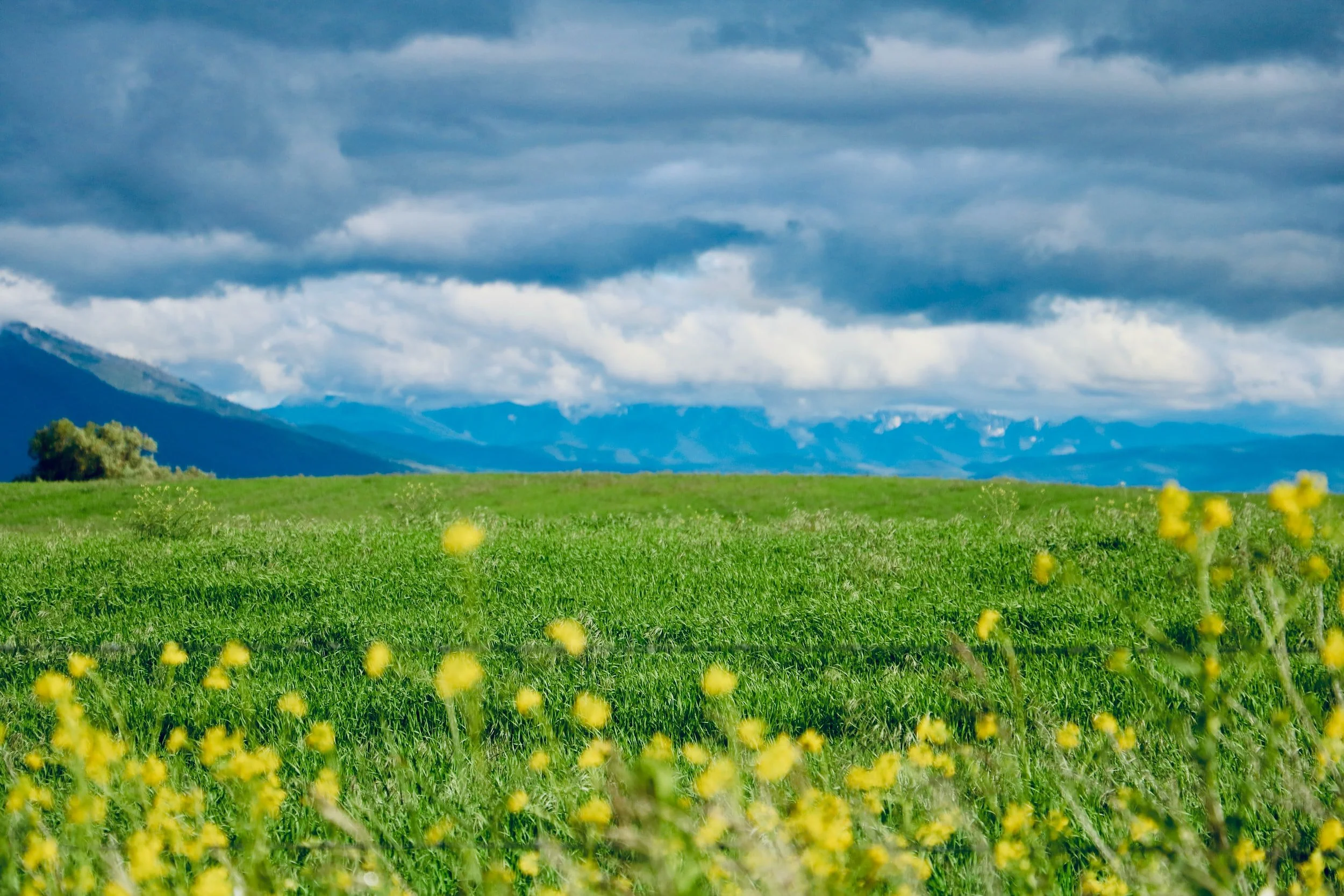
This spring feels more fraught than the last few, and that’s saying something.
I grew up in a place that got a fair amount of snow, where spring sets in so gradually, with small steps each day until finally, finally, sometime around April, the likelihood of a late-winter storm is replaced by sunny days and green grass. Here in the PNW, however, spring sneaks up on us. The grass is green all winter, the plants still growing, and the ground rarely frozen. But suddenly, one day in late February or March, the sun comes out, the air warms up and everything jumps into action.
Yesterday was that day. And every year, those of us who have been hibernating in our hygge-filled homes start to emerge. The bickering children who have had months-long cabin fever are all of a sudden climbing trees, playing in the dirt, and leaving shoes and socks and jackets all over the yard again. Neighbors start running into each other again, chatting and catching up. Even the birds, who never go away and never go hungry around here, start making their presence known.
It’s my happiest time of the year. Yesterday I got to sit outside on an overturned bucket, watching my kids climb higher in a fir tree than I really wanted them to, while Forrest tilled the gardens and talked about the book he’s reading. And tomorrow, I’m going to start some seeds so that when the tulips finish blooming I’m ready to go.
I spend a lot of my life feeling tired. Even as I write this, part of me wants to crawl back onto the couch and just close my eyes for a few minutes. But something about spring draws me back into the world. Even when the world feels so bright and so harsh and still full of fear and pain, there’s transformation around every corner. And those small transformations - from a weedy mess to a freshly tilled garden, from a sullen tween to a red-cheeked, dirt-covered adventurer, from a seed to a sunflower, - those transformations remind me that larger transformations are possible.
This spring feels more fraught than the last few, and that’s saying something. But we’ll get nowhere if we’re forget that our small pieces can add up to a world that is utterly changed, made new by sunshine and digging our hands in the dirt. Our world can get better and we can do our bit to make it so.
Dry Season
The idea of being completely spent, of pushing myself until all my energy is gone, my creativity completely evaporated. And then, after a spell of feeling completely desiccated, one small trickle of inspiration coming back, heralding a new season of exploration.
Every winter is a long winter here in the grey northwest, and we spend a lot of cozy evenings leaning into the hygge of it all by snuggling and watching nature documentaries. There really is nothing more family friendly than seeing a wolf snap the neck of a snow hare, especially a baby one. I kid, I kid. But I will tell you we only made it through a few episodes of Meerkat Manor before even the bloodthirsty twins couldn’t handle the baby left abandoned in the wilderness overnight. I still don’t know if he ever made it back.
One of the most common themes in these shows, of course, is the animals’ endurance through harsh conditions - storms, bitter cold, drought. And the filmmakers usually bring you right up to the point where you think there is no way that Mama Bear is going to be able to feed her cubs after the late spring blizzard — until the unexpected thaw comes and the rivers are once again teeming with salmon, who we are happy to see sacrificed so those furry little faces can eat their fill.
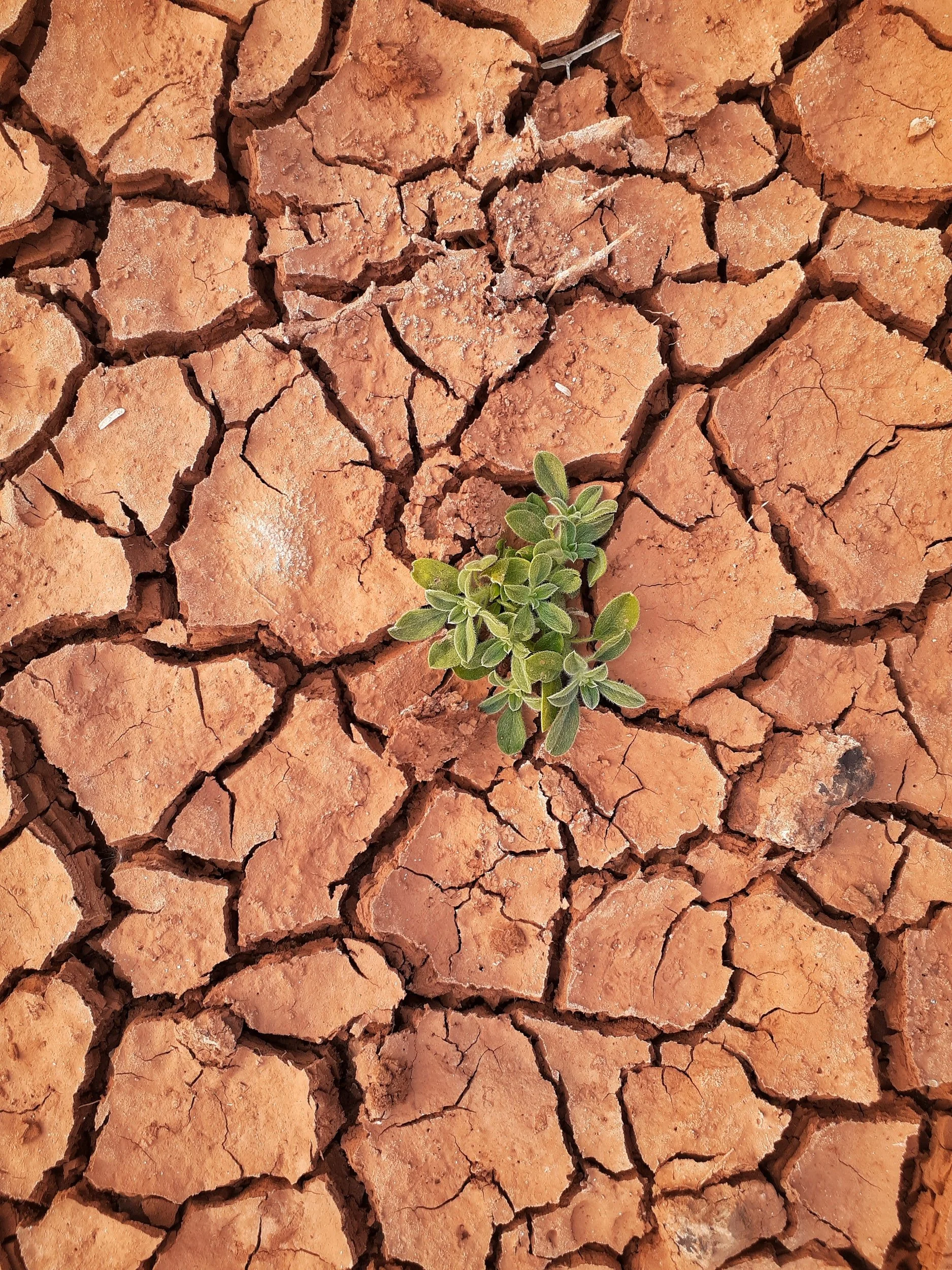
My favorite of these “brink of death” scenes is when the drought-ridden savannah (or outback, or desert) gets the downpour of rain from a once-a-year storm that heralds the wet season. I don’t know if there’s some sort of documentarian contract or something, but it is always, always signified by a close-up of parched, cracked earth with a single trickle of water flowing over it. Then the camera pans out and you see the trickles multiply, until a torrent water rushes in and life returns to a recently barren landscape.
I love it because my heart thrills every time. I gotta say, that pan-out image of the now rushing flood of water and the returning animals hits me. David Attenborough knows his job well. That seasonality somehow strikes a chord in my own soul. The idea of being completely spent, of pushing myself until all my energy is gone, my creativity completely evaporated. And then, after a spell of feeling completely desiccated, one small trickle of inspiration coming back, heralding a new season of exploration.
I wonder if, as I age, that trickle will stop returning each time. But for now, I am so thankful to be old enough to remember that all I have to do is hold out long enough and realize that sometimes the dry season is simply a reminder to be grateful for the productivity of the past and the expectation of future creativity. Right on the edge of that - when all the possibilities are open - that’s my favorite place to be, because I don’t know where it will lead.
This is a dry season and a hard time. But I’m seeing small streams, growing larger. And I can’t wait to seeing where they end up creating new beauty and new life.